Understanding Peptides and Their Growing Popularity in Menopause Care
Menopause is a significant biological transition marked by hormonal shifts that can affect everything from mood and metabolism to bone density and cardiovascular health. As women search for effective relief from hot flashes, night sweats, weight gain, and brain fog, a new category of therapies has entered the spotlight: peptide therapy for menopause.
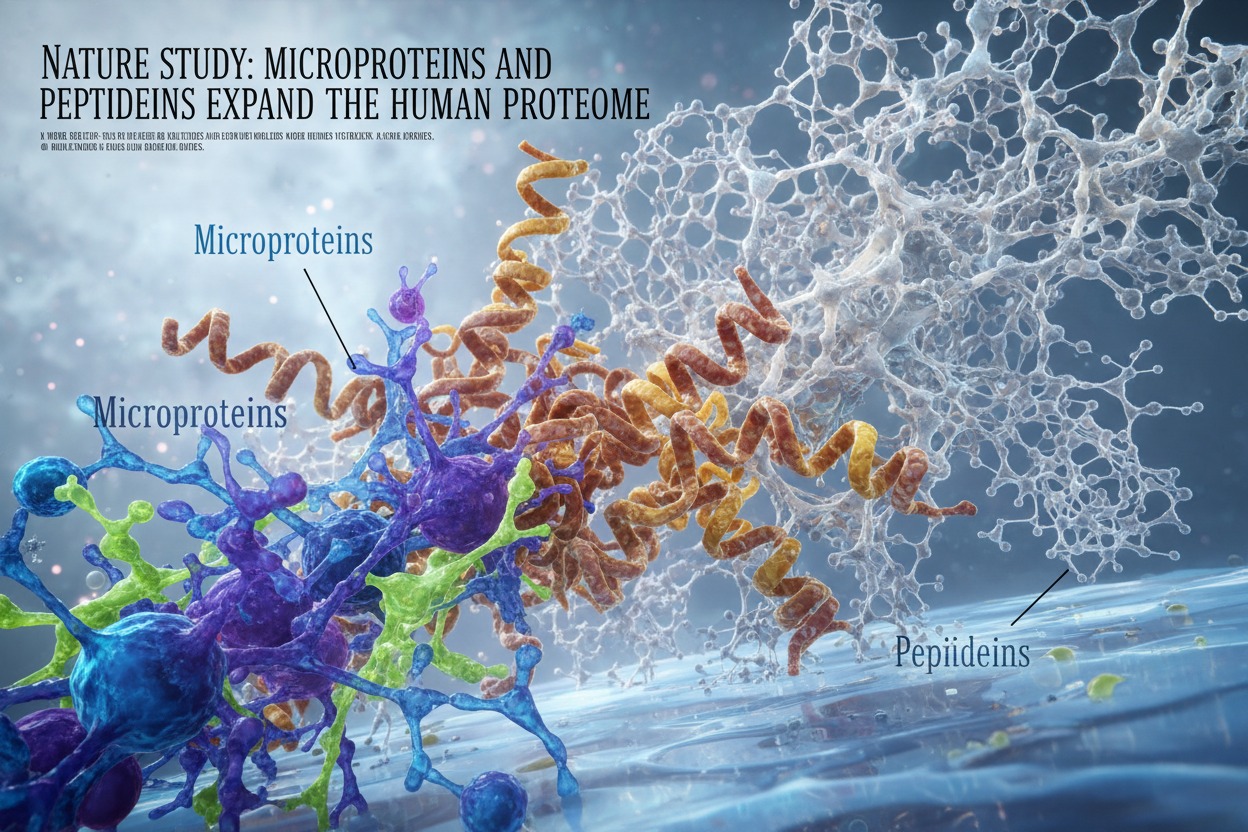
Peptides are short chains of amino acids that act as signaling molecules in the body. They tell cells and tissues how to function, repair, and regulate key processes. Because of their targeted nature, peptides are increasingly marketed as cutting-edge solutions for anti-aging, metabolic optimization, and hormonal balance.
But when it comes to menopause, are peptides truly supported by science, or is the excitement outpacing the evidence?
What Are Peptides and How Do They Work?
Peptides occur naturally in the human body. They influence essential processes such as:
- Hormone production
- Inflammation control
- Cell signaling and regeneration
- Metabolism and appetite regulation
- Immune system function
Therapeutic peptides are lab-created versions designed to mimic or enhance natural biological activity. In menopause care, certain peptides are promoted for benefits like improved energy, better sleep, enhanced muscle tone, and cognitive clarity.
Unlike traditional hormone replacement therapy (HRT), which directly supplements estrogen and progesterone, most peptide therapies aim to stimulate the body’s own systems to function more efficiently.
Peptides Commonly Marketed for Menopause
Several peptides are frequently discussed in the context of women’s midlife health. Below are some of the most commonly referenced options.
Growth Hormone Secretagogues
These peptides, including CJC-1295 and Ipamorelin, stimulate the release of growth hormone. Advocates claim potential benefits such as:
- Improved body composition
- Enhanced muscle tone
- Better sleep quality
- Increased energy
While growth hormone levels decline with age, the clinical evidence supporting peptide-driven growth hormone optimization specifically for menopausal symptoms remains limited.
Kisspeptin
Kisspeptin plays a key role in regulating reproductive hormones. Researchers are exploring its connection to fertility and hormonal cycles. However, its role after menopause, when ovarian function has significantly declined, is still being studied.
Current evidence does not strongly support kisspeptin therapy as a standard solution for menopausal symptom relief.
Thymosin Beta-4 and BPC-157
These peptides are often discussed in anti-inflammatory and regenerative medicine circles. They are primarily researched for tissue repair and injury recovery.
While inflammation increases during aging and menopause, human trials evaluating these peptides specifically for menopausal health outcomes are sparse.
Melanocyte-Stimulating and Metabolic Peptides
Certain peptides affecting metabolism and appetite regulation are being investigated for weight management. Since many women experience increased abdominal fat during menopause, interest in these therapies is rising.
However, long-term safety and menopause-specific efficacy data remain limited.
The Evidence: What Does Research Actually Show?
The core question is whether peptide therapy is backed by rigorous clinical trials for menopausal women.
At present:
- Large-scale menopause-specific randomized controlled trials are limited
- Most peptide studies focus on general aging rather than menopause
- Long-term safety data in midlife women is still emerging
While early data on certain peptides may be promising in areas like metabolic health or tissue repair, there is a gap between experimental research and approved, standardized treatment protocols for menopause symptoms.
In contrast, hormone replacement therapy remains the most evidence-based treatment for vasomotor symptoms such as hot flashes and night sweats, particularly when started within ten years of menopause onset.
Hype Versus Hope: Why Peptides Are So Appealing
The appeal of peptides in women’s health stems from several factors:
1. The Desire for Personalized Medicine
Peptides are often presented as customizable and tailored to individual biology. This resonates strongly with women seeking alternatives to one-size-fits-all treatments.
2. Concerns About Traditional HRT
Some women remain hesitant about hormone therapy due to outdated fears surrounding breast cancer and cardiovascular risk. Although modern research has clarified many of these risks, the perception persists.
Peptides are sometimes marketed as a ‘safer’ or ‘natural’ alternative, though this claim is not always supported by comparative trials.
3. The Anti-Aging Movement
Menopause often coincides with concerns about aging skin, muscle tone, cognitive performance, and vitality. Peptide clinics frequently bundle menopause support into broader anti-aging packages, enhancing their visibility and popularity.
Safety Considerations and Regulatory Concerns
A critical issue with peptide therapy is regulation. Unlike FDA-approved medications with clearly defined dosing, purity standards, and clinical trial data, many peptides are:
- Compounded in specialty pharmacies
- Prescribed off-label
- Marketed through private wellness clinics
This can create variability in quality and oversight. Additionally, because peptides act on powerful biological pathways, inappropriate dosing may carry risks such as:
- Fluid retention
- Joint pain
- Insulin resistance
- Hormonal imbalance
Long-term safety data, particularly for healthy menopausal women using peptides electively rather than for medical necessity, remains insufficient.
When Might Peptides Have a Role?
While evidence is still evolving, peptides may eventually find a supportive role in specific scenarios, such as:
- Women with metabolic dysfunction
- Patients with demonstrated growth hormone deficiency
- Individuals under close medical supervision within research-based protocols
However, they are not currently considered frontline therapy for classic menopause symptoms like hot flashes, vaginal dryness, or bone density loss.
For many women, a comprehensive menopause care plan may include:
- Evidence-based hormone therapy when appropriate
- Strength training and protein optimization for muscle preservation
- Nutrition strategies to support metabolic stability
- Sleep hygiene and stress management
- Cognitive behavioral therapy for mood and anxiety symptoms
Peptides, if used, should be integrated cautiously and under the guidance of a clinician knowledgeable in both endocrinology and women’s health.
The Importance of Individualized Counseling
One of the most significant gaps in menopause care today is access to clear, evidence-based guidance. The rise in peptide marketing highlights how eager women are for better solutions.
Before starting peptide therapy, it is wise to ask:
- Is this treatment FDA-approved for menopause?
- What clinical trials support its use?
- What are the short-term and long-term risks?
- How will outcomes be monitored?
- What are the alternatives with stronger evidence?
Shared decision-making between patient and clinician remains essential.
Separating Innovation From Marketing
Peptide science is undeniably exciting. Research in regenerative medicine and metabolic health is advancing quickly. It is possible that in the future, specific peptides will become validated tools in menopause management.
At present, however, the enthusiasm often exceeds the clinical proof.
Women deserve therapies that are not only innovative but also rigorously studied for safety and effectiveness in midlife health. Until more menopause-focused data is available, peptides should be viewed as experimental or adjunctive rather than foundational therapy.
Final Perspective: Evidence First, Innovation Second
Menopause is not a disease, but it is a major physiological shift that can significantly impact quality of life. As the conversation around women’s health expands, so too does the marketplace of solutions.
Peptide therapy occupies a gray space between scientific promise and commercial hype. While early research hints at potential metabolic and regenerative benefits, solid menopause-specific clinical evidence is still limited.
For now, the most reliable approach to menopausal symptom relief continues to include:
- Properly prescribed hormone therapy when appropriate
- Lifestyle interventions supported by research
- Bone and cardiovascular risk screening
- Mental health support
- Open conversations with qualified healthcare professionals
Innovation should always be welcomed in women’s health. But it must be balanced with rigorous evidence, clear safety standards, and transparency.
Peptides may one day transform aspects of menopause care. Until then, informed decision-making remains the most powerful tool women have.