The Rise of Peptides in Modern Skincare
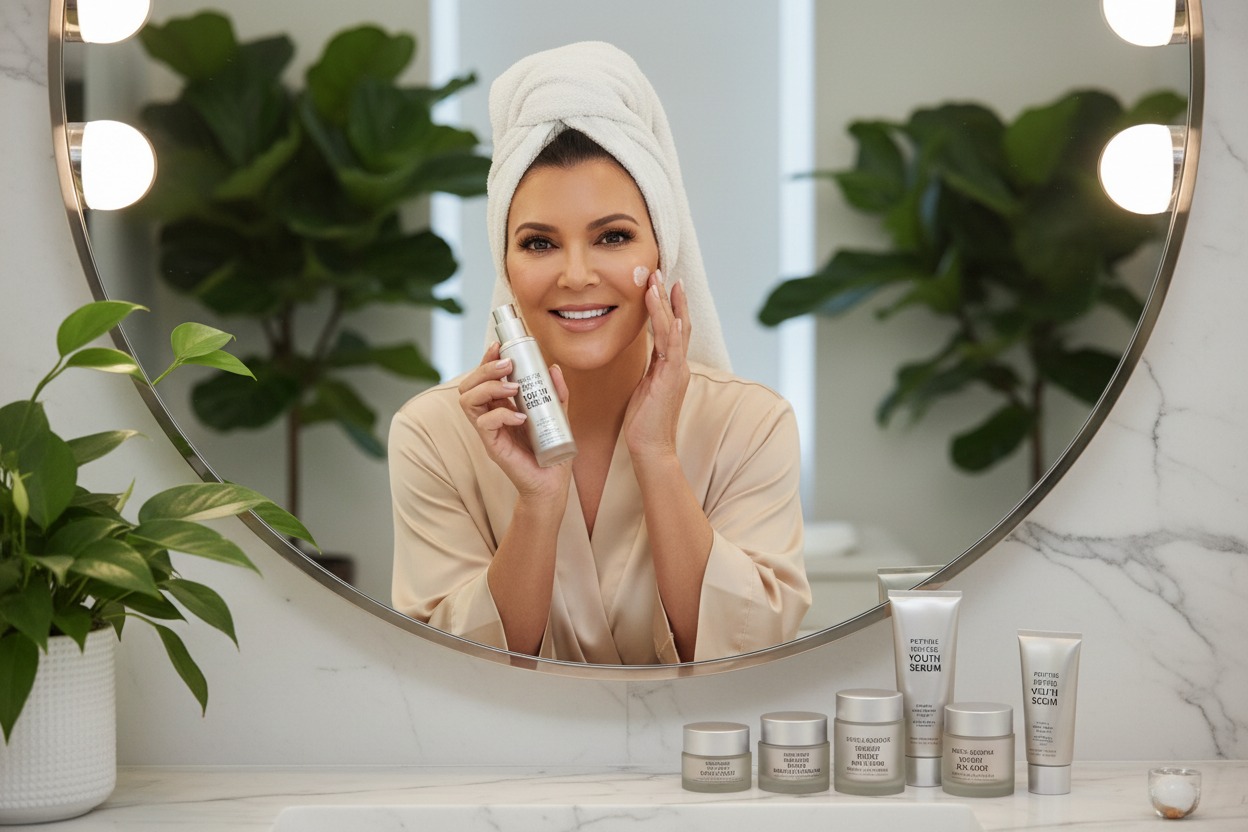
Kris Jenner has long been regarded as a beauty and business icon, consistently setting trends in fashion, wellness, and skincare. Her recent embrace of peptides in her anti-aging skincare routine is no surprise, as these powerhouse ingredients have rapidly become a cornerstone in dermatology-backed beauty products. While celebrity endorsements often spark trends, peptides are far more than a passing fad. They are scientifically supported compounds that play a vital role in maintaining firm, youthful-looking skin.
As more consumers search for effective, non-invasive ways to support aging skin, peptides have stepped into the spotlight. Jenner’s skincare choices reflect a broader shift toward clinically proven ingredients that deliver visible, long-term results without dramatic procedures.
What Are Peptides and Why Do They Matter?
Peptides are short chains of amino acids, which are the building blocks of proteins such as collagen and elastin. These proteins are essential for maintaining skin’s firmness, elasticity, and smooth texture. As we age, natural collagen production declines, leading to fine lines, wrinkles, and sagging skin.
Incorporating peptides into a skincare routine can help signal the skin to produce more collagen, improving tone and texture over time. This is one of the key reasons peptides have become a staple in many anti-aging formulations.
Key Benefits of Peptides in Skincare
- Boost collagen production: Supports firmer, more resilient skin.
- Reduce the appearance of fine lines and wrinkles: Improves smoothness and texture.
- Strengthen the skin barrier: Helps defend against environmental damage.
- Enhance hydration: Some peptides improve moisture retention.
- Promote skin repair: Supports natural regeneration processes.
For someone like Kris Jenner, whose public image demands glowing, polished skin, these benefits make peptides an obvious addition to her routine.
Why Peptides Are a Celebrity Favorite
Hollywood’s approach to beauty has evolved. Many celebrities now prioritize skin health over heavy makeup, focusing on treatments that improve skin from within. Peptides align perfectly with this philosophy because they deliver subtle yet powerful improvements without dramatically altering facial features.
Unlike more aggressive procedures, peptide-based skincare offers a gradual, natural-looking transformation. Results develop over time, encouraging smoother skin and increased firmness without downtime. This approach fits seamlessly into a high-profile lifestyle where consistency and discretion matter.
Peptides also layer well with other sought-after skincare ingredients such as:
- Hyaluronic acid for deep hydration
- Vitamin C for brightening and antioxidant protection
- Retinol for accelerated cell turnover
- Niacinamide for calming and refining skin texture
This compatibility makes peptides incredibly versatile in comprehensive anti-aging routines.
The Science Behind Anti-Aging Peptides
To understand the appeal, it helps to explore how peptides function within the skin. When applied topically, certain peptides act as messengers. They send signals to skin cells encouraging them to produce more collagen. Others work by relaxing facial tension, similar to the way neuromodulators soften lines, though less dramatically and without injections.
There are several types of peptides commonly found in skincare:
Signal Peptides
These stimulate collagen, elastin, and other structural components. They are the most popular category in anti-aging formulations.
Carrier Peptides
Carrier peptides deliver trace elements like copper to the skin, which help with wound healing and enzymatic processes.
Enzyme-Inhibitor Peptides
These slow down the breakdown of collagen, helping to preserve skin structure.
Neurotransmitter-Inhibiting Peptides
Often referred to as topical wrinkle relaxers, these peptides can minimize the appearance of expression lines over time.
A well-rounded peptide formula may include several of these categories, targeting aging from multiple angles.
How Peptides Fit Into a Luxury Skincare Routine
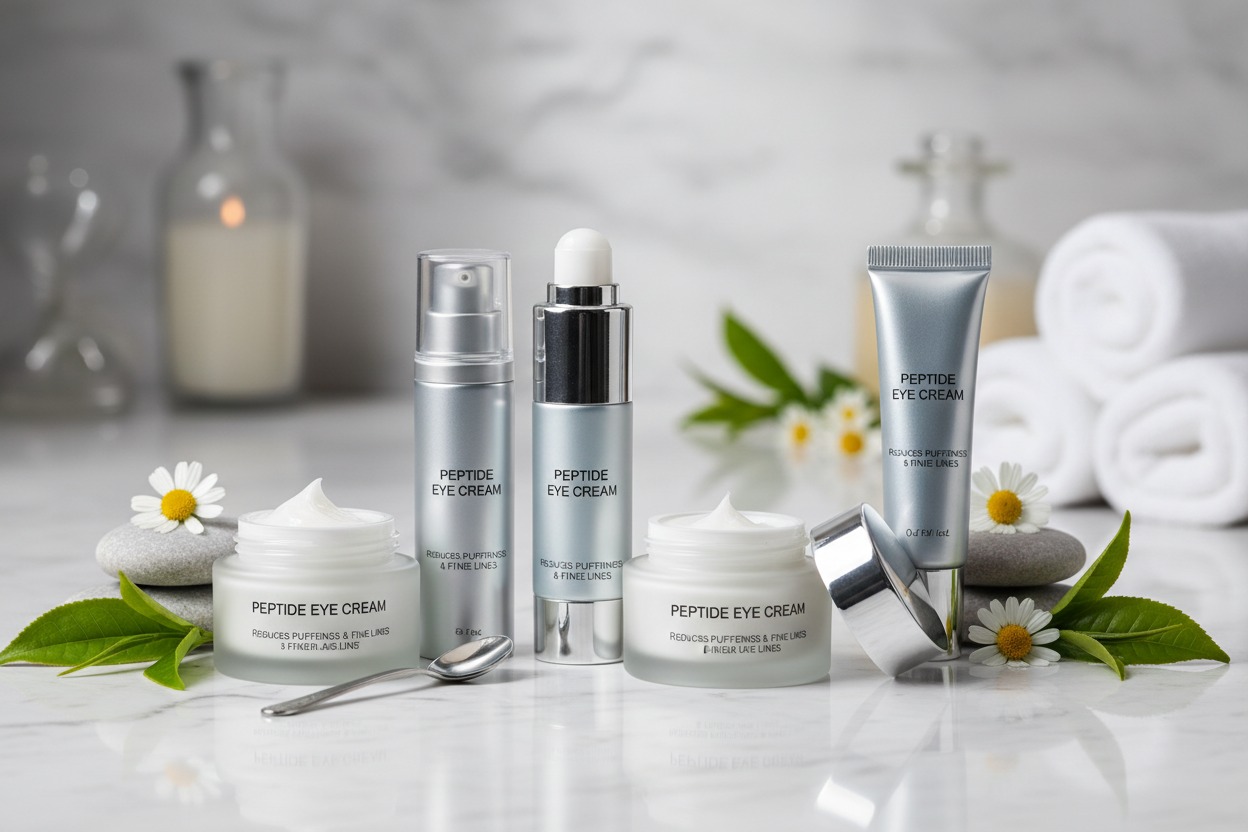
Kris Jenner’s approach to skincare emphasizes consistency and high-quality formulations. Peptides are typically found in serums, creams, and targeted treatments, often used both morning and night.
A balanced peptide-centered anti-aging routine may look like this:
- Gentle cleanser to remove impurities without stripping the barrier
- Hydrating toner or essence
- Peptide serum applied to clean, slightly damp skin
- Moisturizer to lock in hydration
- Broad-spectrum SPF during the day
Because peptides are generally well tolerated, they are suitable for most skin types, including sensitive skin. This adaptability makes them an accessible option for those seeking visible anti-aging benefits without irritation.
The Shift Toward Preventative Skincare
Another reason peptides are trending is the growing emphasis on preventative skincare. Rather than waiting for deep wrinkles or loss of firmness to appear, many individuals are starting anti-aging regimens earlier.
Peptides are ideal for preventative care because they encourage the skin to maintain healthy protein levels before significant decline occurs. This strategy aligns with the philosophy of maintaining skin vitality rather than correcting advanced damage later.
For high-profile personalities, prevention often takes priority. Maintaining elasticity and smoothness over decades requires proactive support, and peptides offer precisely that.
Peptides vs. Other Anti-Aging Ingredients
With so many active ingredients on the market, it is important to understand where peptides fit in comparison.
Peptides vs. Retinol
Retinol accelerates cell turnover and stimulates collagen production but can cause dryness or irritation. Peptides tend to be gentler, making them suitable for sensitive skin or those who cannot tolerate retinoids.
Peptides vs. Botox
Injectable neuromodulators provide rapid muscle relaxation and dramatic wrinkle reduction. Peptides offer a more subtle, progressive effect, making them appealing to individuals seeking non-invasive solutions.
Peptides vs. Hyaluronic Acid
Hyaluronic acid primarily hydrates and plumps skin temporarily. Peptides focus on long-term structural support.
In many instances, skincare experts recommend combining these ingredients strategically for comprehensive anti-aging results.
Consistency Is Key for Visible Results
One crucial detail about peptides is that results are not instantaneous. While some hydration and smoothing effects may appear quickly, true collagen support takes weeks to months of consistent application.
Dermatologists generally suggest:
- Using peptide products daily
- Applying consistently for at least 8 to 12 weeks
- Layering with sunscreen to protect collagen from UV damage
Dedication to routine, rather than quick fixes, is what delivers noticeable transformation.
The Growing Demand for Science-Backed Beauty
Consumers today are more informed than ever. Beauty buyers are increasingly drawn to ingredients with clinical backing rather than marketing buzzwords. Peptides meet this demand, supported by ongoing research into their efficacy.
As public figures highlight these ingredients, interest continues to rise. However, the real driver behind peptide popularity is performance. When used correctly, formulations containing peptides can improve firmness, refine texture, and soften visible signs of aging without relying solely on invasive treatments.
This evolution in skincare reflects a broader beauty philosophy: enhancing natural appearance while preserving individuality.
Choosing the Right Peptide Product
Not all peptide formulas are created equal. When selecting a product, consider:
- Concentration and formulation quality
- Complementary ingredients that support collagen production
- Packaging that protects stability, such as air-tight pumps
- Brand transparency and clinical testing
Consulting a licensed dermatologist can help personalize peptide use according to individual skin concerns and goals.
The Future of Anti-Aging Skincare
Peptides represent a major step forward in non-invasive anti-aging innovation. As research advances, more specialized peptides are being developed to target specific concerns such as pigmentation, advanced firmness loss, and barrier repair.
The appeal lies in their balance: effective yet gentle, preventative yet corrective. For individuals focused on aging gracefully and confidently, peptides offer a scientifically supported pathway to healthier-looking skin.
Kris Jenner’s adoption of peptide-based skincare reflects a larger trend toward strategic, ingredient-focused beauty routines. Rather than relying solely on cosmetic procedures, many are investing in long-term skin health powered by advanced formulations.
In a world where beauty standards continually evolve, one message remains consistent: healthy skin is timeless. And with peptides at the forefront of anti-aging skincare, maintaining luminous, resilient skin may be more attainable than ever.