



COSRX The 6 Peptide Skin Booster Serum explained: learn what each peptide is used for, its supporting ingredients, and what results are realistic.
Independent guides and reviews on peptide skincare, anti-aging treatments, and aesthetic trends.
COSRX The 6 Peptide Skin Booster Serum explained: learn what each peptide is used for, its supporting ingredients, and what results are realistic.
Saint Jane Bright Revival Peptide Eye Cream review: Explore its 9-peptide complex, supporting ingredients, consumer study, and evidence limits.
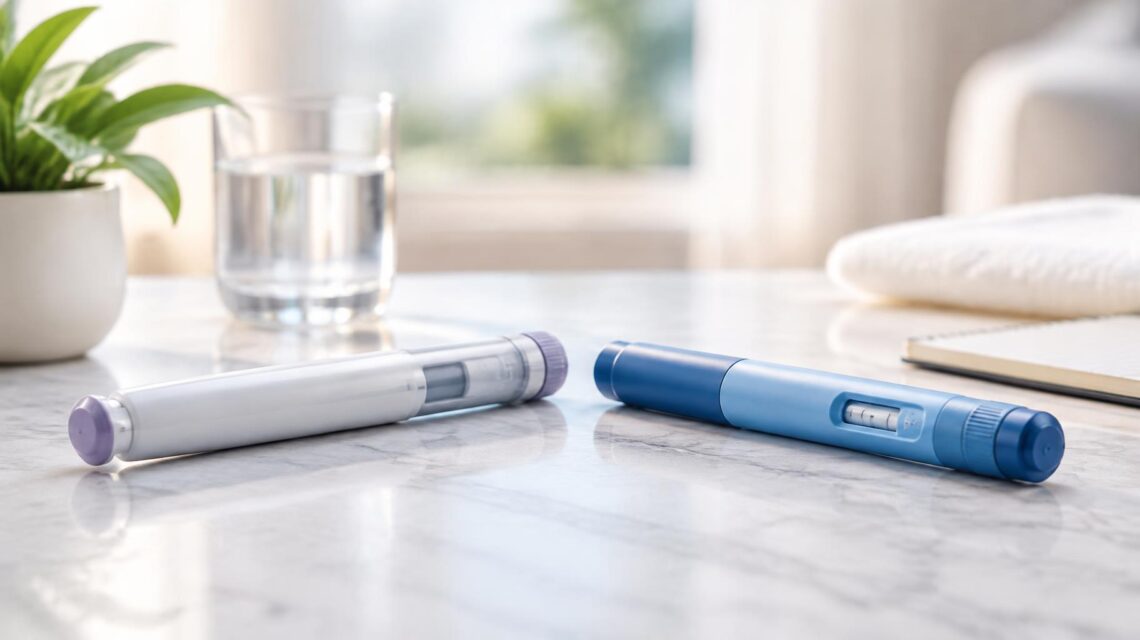
Retatrutide vs. Ozempic: See the 80-week trial’s A1C and weight results, side-effect discontinuations, and why retatrutide remains investigational.
Gray-market peptide testing found 99.8% median purity, but 41.6% of reports failed purity and labeled-amount standards; endotoxin testing was rare.
MOTS-c tablets have no human evidence for absorption, safety, or benefit. Learn how animal studies and injected CB4211 differ from oral formulations.
Cevitol Marine Collagen Peptides review: explore its ingredients, Amazon popularity, 300 Da claim, testing details, and key label gaps for shoppers.
Mad Hippie Corrective Peptide Serum review: Matrixyl Synthe'6, ceramides and moisturizing ingredients, plus context on the eight-week claim.
Depology Matrixyl 3000 serum review: explore its peptide blend, moisturizing ingredients, oil content and limits of the available product evidence.
Tulura Vitamin Peptide Serum combines five peptides, vitamin C ingredients, ferulic acid and hyaluronic acid in an $88 formula, with key evidence gaps.
Tesamorelin often appears on peptide lists alongside experimental compounds, bodybuilding products, and substances marketed for general fat loss. That grouping misses its most important distinction: tesamorelin is an FDA-approved prescription medicine with a specific indication. It is not simply another research-only peptide, and its approval does not extend to every…