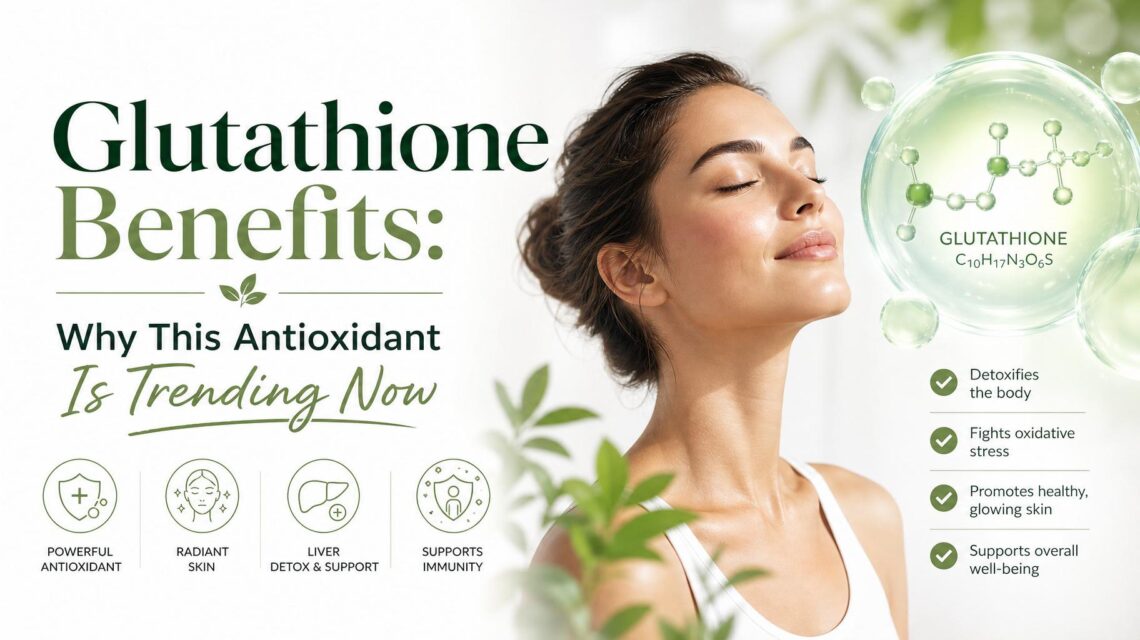
Glutathione has quickly become one of the most talked-about wellness compounds in nutrition, skincare, and functional medicine. Often called the body’s master antioxidant, glutathione plays a central role in protecting cells from damage, supporting detoxification, and helping maintain overall health. As interest in longevity, immune resilience, and skin health grows, it is no surprise that more people are asking what glutathione is, what it does, and whether boosting it can make a real difference.
While trendy supplements often come and go, glutathione stands apart because it is not a foreign substance introduced by the wellness industry. It is a naturally occurring antioxidant produced in the body and found in nearly every cell. Its importance is tied to some of the most essential biological processes that keep the body functioning efficiently.
What Is Glutathione?
Glutathione is a powerful antioxidant made from three amino acids: cysteine, glutamine, and glycine. It is produced mainly in the liver, though it is used throughout the body. Unlike many antioxidants that come only from foods or supplements, glutathione is something the body creates on its own.
Its main job is to help defend cells against oxidative stress, which occurs when harmful molecules called free radicals build up in the body. These unstable molecules can damage cells, proteins, and DNA, potentially accelerating aging and contributing to chronic disease.
Glutathione is unique because it does more than simply neutralize free radicals. It also helps recycle other antioxidants, including vitamins C and E, making them more effective. This gives glutathione a central role in the body’s broader antioxidant defense system.
Why Glutathione Is Trending Now
The rising interest in glutathione is linked to several major wellness trends. People today are more focused than ever on proactive health strategies, especially those related to energy, immunity, aging, and skin appearance. Because glutathione is associated with all of these areas, it has become a popular topic among health-conscious consumers.
Another reason for the surge in attention is the growing awareness of how modern life affects the body. Pollution, stress, poor diet, alcohol, lack of sleep, and even intense exercise can all increase oxidative stress. As people search for ways to support recovery and resilience, glutathione is increasingly being recognized as a key internal defense mechanism.
Social media and celebrity wellness culture have also contributed to its popularity, especially in beauty circles where glutathione is often discussed in connection with brighter-looking skin and a more even complexion. While some of these claims can be exaggerated, the interest has sparked wider conversations about the antioxidant’s legitimate health benefits.
Key Glutathione Benefits
1. Supports Antioxidant Protection
The best-known benefit of glutathione is its role as an antioxidant. It helps protect the body from oxidative stress caused by free radicals, which can result from normal metabolism or external factors such as smoking, environmental toxins, and UV exposure.
By helping reduce oxidative damage, glutathione may support healthy aging and help protect tissues and organs over time. This is one reason it is often associated with longevity and wellness optimization.
2. Assists Natural Detoxification
Glutathione is deeply involved in the liver’s detoxification pathways. It binds to harmful compounds, including toxins and waste products, helping the body process and eliminate them more efficiently. This function makes it especially important for liver health and overall metabolic balance.
Although the word detox is often overused in marketing, glutathione’s role in detoxification is well established in human biology. It is one of the body’s natural tools for managing the chemical burden of everyday life.
3. Supports Immune Function
A healthy immune system depends on balance. Glutathione helps regulate immune cell activity and may support the body’s ability to mount an appropriate response to illness or inflammation. Low glutathione levels have been linked in some research to impaired immune resilience, which is why maintaining adequate levels is considered beneficial.
For people focused on strengthening daily wellness, glutathione is often viewed as part of a strong internal foundation rather than a quick fix.
4. May Promote Healthier Skin
One of the most talked-about glutathione benefits is its potential effect on skin. Because oxidative stress can contribute to dullness, uneven tone, and visible aging, antioxidants such as glutathione may help support a healthier complexion.
Some people also seek glutathione for skin-brightening purposes. Interest in this area has grown significantly, although results can vary and not all claims are equally supported by strong clinical evidence. Still, its general antioxidant activity may help protect skin from environmental stressors and support a fresher appearance.
5. Helps Support Cellular Energy and Recovery
Every cell in the body depends on efficient energy production. Oxidative stress can interfere with mitochondrial function, and glutathione helps protect these energy-producing structures from damage. This is one reason glutathione is sometimes associated with better recovery, improved vitality, and reduced cellular wear and tear.
While it is not a stimulant, maintaining healthy glutathione levels may support the processes that contribute to feeling well and functioning optimally.
What Can Lower Glutathione Levels?
Although the body naturally produces glutathione, levels can decline due to age, lifestyle factors, and certain health challenges. Over time, the body’s ability to keep up with demand may be reduced, especially when oxidative stress is consistently high.
Common factors that may deplete glutathione include:
- Chronic stress
- Poor nutrition
- Alcohol consumption
- Smoking
- Environmental pollution
- Sleep deprivation
- Aging
- Certain illnesses and inflammatory conditions
When glutathione levels are low, the body may be less equipped to handle oxidative stress and detoxify efficiently. This is why supporting natural production has become a focus in both preventive health and wellness routines.
How To Support Glutathione Naturally
For many people, the best approach is not just taking glutathione directly but also supporting the body’s ability to produce and recycle it naturally. Diet and lifestyle play a major role in this process.
Eat Glutathione-Supporting Foods
Certain foods provide the building blocks needed for glutathione production or contain compounds that help maintain healthy levels. Examples include:
- Sulfur-rich vegetables such as broccoli, cauliflower, Brussels sprouts, cabbage, and kale
- Garlic and onions
- Avocados
- Spinach
- Asparagus
- Lean proteins that supply amino acids needed for synthesis
A diet rich in colorful produce and quality protein can help create the conditions needed for healthy antioxidant activity.
Prioritize Sleep and Stress Management
Sleep and stress have a direct impact on oxidative balance. Poor sleep and ongoing psychological stress can increase inflammation and reduce the body’s ability to recover. Simple practices like getting consistent rest, walking daily, meditating, or doing breathing exercises may indirectly help preserve glutathione levels.
Exercise In Moderation
Regular physical activity can support antioxidant defenses over time, but too much intense training without proper recovery may temporarily increase oxidative stress. A balanced exercise routine that includes recovery days can help the body adapt in a healthy way.
Consider Supportive Nutrients
Some supplements are commonly used to help support glutathione production, including N-acetylcysteine, alpha-lipoic acid, selenium, and vitamin C. These nutrients may assist the body’s own antioxidant systems and are often discussed alongside glutathione in wellness and clinical nutrition settings.
What About Glutathione Supplements?
Glutathione supplements are available in several forms, including capsules, liquids, liposomal formulas, and intravenous treatments. However, not all forms are absorbed equally, and effectiveness may depend on the individual and the delivery method.
Oral glutathione has historically faced questions about absorption because it can be broken down during digestion. Newer forms, such as liposomal glutathione, are marketed as being more bioavailable, though results can still vary. Some healthcare professionals prefer supporting glutathione indirectly with precursor nutrients rather than relying on glutathione alone.
IV glutathione has become popular in some wellness clinics, especially for skin and recovery purposes, but it is important to approach these treatments carefully and only