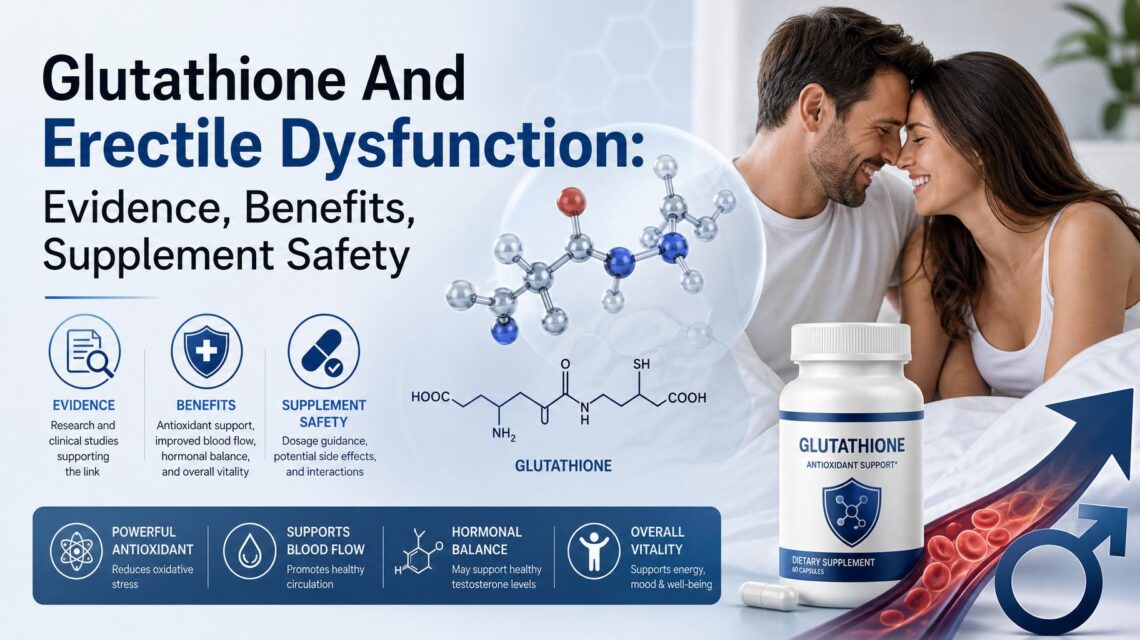
Understanding the Link Between Glutathione and Erectile Dysfunction
Erectile dysfunction, often called ED, affects millions of men and can have a major impact on confidence, relationships, and overall quality of life. While common causes include poor circulation, hormonal imbalance, stress, diabetes, obesity, and certain medications, there is growing interest in whether nutritional compounds may also play a supportive role in sexual health. One of those compounds is glutathione.
Glutathione is widely known as one of the body’s most important antioxidants. It helps protect cells against oxidative stress, supports detoxification, and plays a role in immune function. Because oxidative damage and poor blood vessel health are both strongly connected to ED, researchers and supplement users have started asking whether glutathione may help support erectile function.
Although glutathione is not considered a standard or primary treatment for erectile dysfunction, the science behind it is worth exploring. The connection appears to center on circulation, inflammation, nitric oxide function, and cellular protection.
What Is Glutathione?
Glutathione is a naturally occurring antioxidant made from three amino acids: glutamine, glycine, and cysteine. It is produced in the body and found in virtually every cell. Its main job is to neutralize harmful free radicals and reduce oxidative stress, which can damage tissues over time.
Healthy glutathione levels are important for:
- Cell repair and regeneration
- Immune system support
- Liver detoxification
- Reducing inflammation
- Supporting mitochondrial and vascular health
As men age or develop chronic health issues, glutathione production may decline. Poor diet, smoking, alcohol use, environmental toxins, chronic stress, and certain diseases can all lower glutathione levels. This decline may indirectly affect systems related to erectile function.
How Erectile Dysfunction Develops
To understand why glutathione might matter, it helps to know how erections work. An erection depends on healthy blood flow, nerve signaling, hormone balance, and psychological readiness. When a man becomes sexually aroused, nitric oxide is released, blood vessels relax, and blood fills the erectile tissue of the penis.
ED can happen when this process is disrupted. Some of the most common contributors include:
- Reduced blood flow due to vascular disease
- High blood pressure
- Diabetes
- Low testosterone
- Depression and anxiety
- Smoking and alcohol misuse
- Medication side effects
- Inflammation and oxidative stress
Oxidative stress is especially important because it can damage the endothelium, the thin lining of blood vessels. When endothelial function worsens, nitric oxide signaling may decline, making it more difficult to achieve or maintain an erection.
The Potential Role of Glutathione in Erectile Function
The interest in glutathione and ED comes mainly from its ability to support cardiovascular and endothelial health. Since erections rely heavily on efficient blood flow, any compound that helps protect blood vessels may have indirect benefits.
1. Oxidative Stress Reduction
One of glutathione’s biggest strengths is its role as a master antioxidant. Excess free radicals can impair blood vessel flexibility and reduce nitric oxide availability. By helping to neutralize these molecules, glutathione may support healthier vascular function.
2. Nitric Oxide Support
Nitric oxide is essential for erection quality. It allows smooth muscle in blood vessels to relax, leading to increased blood flow. Oxidative stress can break down nitric oxide and weaken this process. Glutathione may help preserve a healthier environment for nitric oxide activity, although it does not act like a direct ED medication.
3. Improved Endothelial Health
The endothelium plays a central role in circulation. Damage to this lining is associated with heart disease and erectile dysfunction. Because glutathione helps protect cells from inflammation and oxidation, it may contribute to better endothelial function over time.
4. Broader Metabolic Support
Many men with ED also have conditions like diabetes, obesity, or metabolic syndrome. These disorders are associated with lower antioxidant defenses and increased inflammation. Supporting the body’s glutathione system may be beneficial as part of an overall health plan aimed at reducing long-term vascular damage.
What the Evidence Suggests
The current evidence around glutathione and erectile dysfunction is promising but limited. There is not yet strong clinical proof showing that glutathione supplementation alone directly treats ED in the way that prescription medications such as sildenafil do.
However, several related findings are important:
- Oxidative stress is a recognized factor in the development of erectile dysfunction.
- Antioxidants may help support endothelial health and circulation.
- Lower glutathione status has been linked with chronic conditions that often coexist with ED.
- Improving vascular health can indirectly improve sexual performance in some men.
In other words, glutathione may be best understood as a supportive wellness compound rather than a standalone cure. Men with ED linked to poor circulation, inflammation, or chronic metabolic issues may be more likely to benefit from antioxidant support than men whose erectile dysfunction is caused mainly by psychological or hormonal factors.
Potential Benefits of Glutathione for Men
Even though glutathione should not be viewed as a guaranteed ED solution, it may offer several broader health benefits that matter for male wellness and sexual vitality.
Cardiovascular Support
Good erections depend on good cardiovascular function. Since glutathione helps combat oxidative damage in blood vessels, it may support healthier circulation over time.
Inflammation Management
Chronic inflammation can interfere with hormone balance, vascular health, and energy levels. Glutathione plays a role in keeping inflammation under control.
Energy and Cellular Health
Cellular stress and poor mitochondrial function can affect stamina and overall vitality. By supporting cell defense systems, glutathione may contribute to better physical resilience.
Liver and Detoxification Support
The liver relies heavily on glutathione to process toxins and metabolic byproducts. A healthier detoxification system may contribute to better overall wellness, which can indirectly support sexual health.
Can You Increase Glutathione Naturally?
Yes. Before turning to supplements, it may be helpful to support your body’s own glutathione production. Lifestyle changes can make a meaningful difference, especially when erectile dysfunction is connected to broader health issues.
Ways to support natural glutathione levels include:
- Eating sulfur-rich foods such as garlic, onions, broccoli, Brussels sprouts, and cabbage
- Getting enough protein, especially amino acids needed for glutathione synthesis
- Regular exercise in moderation
- Improving sleep quality
- Reducing alcohol intake and quitting smoking
- Managing blood sugar and weight
- Lowering chronic stress
Nutrients commonly associated with glutathione support include vitamin C, selenium, alpha-lipoic acid, and N-acetylcysteine, often called NAC.
Glutathione Supplements: Forms and Safety
Glutathione supplements are available in several forms, including capsules, liposomal liquids, powders, and intravenous treatments. Some products contain reduced glutathione directly, while others aim to boost production through precursors like NAC.
Common Supplement Forms
- Oral glutathione: Convenient, though absorption has historically been questioned
- Liposomal glutathione: Designed for improved absorption
- NAC supplements: Help the body make more glutathione
- IV glutathione: Sometimes used in medical or wellness clinics, but should only be administered professionally
Is Glutathione Safe?
For most healthy adults, glutathione supplementation appears to be generally well tolerated when used appropriately. Side effects are usually mild but may include:
- Digestive discomfort
- Bloating
- Cramping
- Rare allergic reactions
There are still important precautions. Men who take medications, have asthma, are undergoing cancer treatment, or have chronic medical conditions should speak with a healthcare provider before adding glutathione or NAC supplements. Supplement safety also depends on dose, product quality, and individual health status.
What Glutathione Cannot Do
It is important to set realistic expectations. Glut