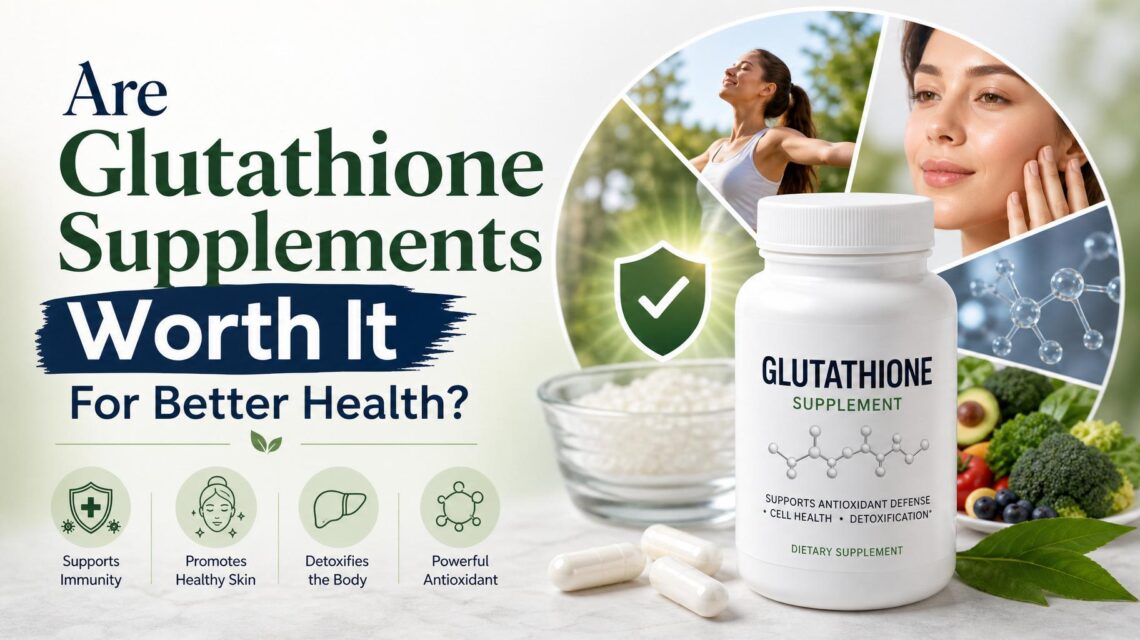
Glutathione has become one of the most talked-about wellness supplements in recent years, often promoted for detox support, immune health, brighter skin, and even anti-aging benefits. But are glutathione supplements really worth adding to your routine, or is the hype outpacing the science? The answer depends on your health goals, your current nutritional status, and the form of glutathione you are considering.
Known as the body’s master antioxidant, glutathione plays a central role in protecting cells from damage caused by free radicals, toxins, and everyday metabolic stress. Your body naturally makes glutathione, but levels can decline with age, illness, chronic stress, poor diet, alcohol use, and exposure to pollution. That has led many consumers to look for supplements as a way to restore healthy levels and support better overall health.
Before spending money on a bottle of capsules or powders, it is important to understand what glutathione actually does, what the current evidence says, and whether supplementation offers meaningful benefits for most people.
What Is Glutathione and Why Does It Matter?
Glutathione is a naturally occurring antioxidant found in almost every cell of the body. It is made from three amino acids:
- Glutamine
- Glycine
- Cysteine
Its main job is to help defend the body against oxidative stress, which happens when unstable molecules called free radicals damage cells and tissues. Over time, oxidative stress is linked to aging and many chronic diseases.
Glutathione is especially important because it helps with several critical processes, including:
- Neutralizing free radicals and reducing cellular damage
- Supporting liver detoxification by helping process toxins and waste products
- Maintaining immune function so the body can respond effectively to infection and inflammation
- Recycling other antioxidants, such as vitamins C and E, so they can continue working
- Supporting mitochondrial health, which is essential for energy production
Because glutathione is involved in so many bodily functions, low levels may affect overall wellness in more ways than people realize.
Why People Turn to Glutathione Supplements
Interest in glutathione supplements has grown because many people are searching for ways to improve their health proactively. These supplements are often marketed for a wide range of benefits, including:
- Boosting immune defenses
- Promoting healthy aging
- Improving energy and recovery
- Supporting detoxification
- Enhancing skin clarity and brightness
- Reducing inflammation and oxidative damage
Some of these claims have early scientific support, while others remain more speculative or are heavily influenced by marketing trends. In many cases, glutathione may be more helpful for people with specific deficiencies, health conditions, or increased oxidative stress rather than the average healthy adult.
Do Glutathione Supplements Actually Work?
This is where things get more nuanced. Glutathione is clearly important for health, but whether a supplement meaningfully raises glutathione levels in the body has historically been the main question.
For years, experts were skeptical about standard oral glutathione because it was thought to be broken down during digestion before the body could use it effectively. More recent research suggests that some forms of oral glutathione may indeed increase blood or tissue levels, especially when taken consistently over time. However, the degree of benefit appears to vary based on the form, dose, and individual person.
Potential benefits seen in some studies include:
- Improved antioxidant status
- Reduced markers of oxidative stress
- Better liver function in certain cases
- Possible support for metabolic health
- Some skin-lightening or brightening effects
Still, it is important to keep expectations realistic. Glutathione is not a cure-all, and many claims online are far more dramatic than what research currently supports.
Who Might Benefit the Most?
Glutathione supplementation may be more worthwhile for people whose natural levels are depleted or whose bodies are under higher oxidative burden. That can include:
- Older adults
- People with poor diets low in antioxidant-rich foods
- Those exposed to smoking, pollution, or heavy alcohol use
- Individuals dealing with chronic inflammation
- People with certain liver or metabolic concerns
- Those recovering from intense physical or mental stress
In these groups, supporting antioxidant defenses may be more relevant than it is for someone already eating a healthy diet and maintaining good overall wellness.
That said, supplements should not be viewed as a substitute for medical care or for foundational healthy habits like sleep, movement, hydration, and a nutrient-dense diet.
Different Forms of Glutathione Supplements
Not all glutathione supplements are the same. If you are considering one, it helps to know the most common forms available.
Reduced Glutathione
This is the standard active form found in many supplements. It is the form the body naturally uses, though absorption may vary depending on the product.
Liposomal Glutathione
Liposomal formulas are designed to improve absorption by wrapping glutathione in a fat-based delivery system. These are often more expensive, but some consumers and practitioners prefer them for better bioavailability.
S-Acetyl Glutathione
This form is modified to help protect glutathione through digestion and may offer enhanced stability and absorption.
NAC and Glutathione Precursors
Instead of taking glutathione directly, some people take N-acetylcysteine or NAC, which gives the body cysteine, one of the key building blocks needed to make glutathione naturally. In many cases, supporting your body’s own production may be just as useful, if not more practical.
Can You Boost Glutathione Naturally?
For many people, the best first step is not supplementation at all. There are several natural ways to support healthy glutathione production.
- Eat sulfur-rich foods such as broccoli, cauliflower, Brussels sprouts, garlic, and onions
- Get enough protein to provide the amino acids needed for glutathione synthesis
- Consume vitamin C-rich foods like citrus, berries, kiwi, and peppers to help recycle antioxidants
- Exercise regularly, which can improve antioxidant defenses over time
- Limit alcohol and smoking, both of which can deplete glutathione
- Prioritize sleep and stress management since chronic stress can increase oxidative burden
A healthy diet and lifestyle often provide broader and more sustainable benefits than relying on one supplement alone.
Are There Any Risks or Side Effects?
Glutathione is generally considered safe for many people when used appropriately, but that does not mean it is risk-free. Some users may experience mild digestive side effects such as:
- Bloating
- Cramping
- Loose stools
There are also unanswered questions about long-term use, especially at high doses or in specialized formulations. People with asthma, those on medications, or anyone managing a chronic health condition should speak with a healthcare professional before starting supplementation.
Another practical concern is product quality. Since the supplement market can vary widely, it is smart to choose brands that use third-party testing and transparent ingredient labeling.
What About Glutathione for Skin Health?
One of the biggest reasons glutathione has gained popularity is its reputation for improving skin appearance. It is often promoted for skin brightening and evening out tone by influencing melanin production and reducing oxidative stress in skin cells.
Some studies and anecdotal reports suggest glutathione may contribute to a brighter complexion, but the evidence is still limited, and results are far from guaranteed. Effects may also depend on dosage, product form, and how long the supplement is taken.
Anyone considering glutathione specifically for cosmetic reasons should be cautious about exaggerated claims. Good skincare, sun protection, balanced nutrition, and proper hydration still provide the strongest foundation for healthy-looking skin.
Are Glutathione Supplements Worth It?
For some people, yes, especially if they have increased oxidative stress, poor dietary intake, or a specific health need that may benefit from improved antioxidant support. In those cases, a well-chosen glutathione supplement or precursor such as NAC