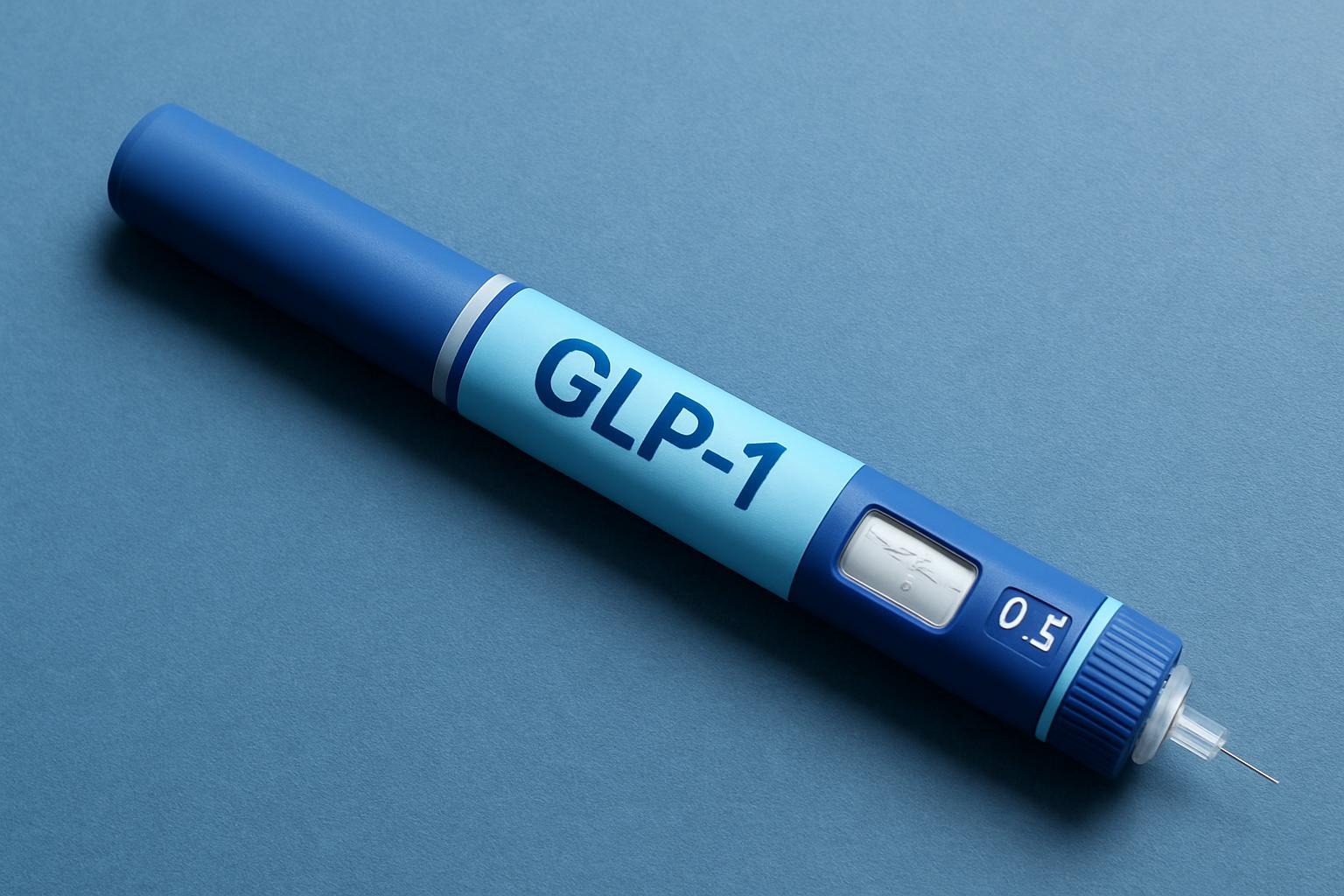
The recent FDA approval of icotrokinra represents a major advancement in dermatologic therapeutics and signals a broader shift in how inflammatory skin diseases may be treated in the future. As an orally administered peptide therapy, icotrokinra introduces a novel approach that bridges the gap between traditional systemic treatments and next-generation targeted biologics.
Dermatology has long relied on topical agents, injectable biologics, and small-molecule immunomodulators to manage chronic inflammatory skin conditions. However, treatment limitations such as tolerability concerns, route of administration challenges, and long-term safety monitoring have driven the demand for innovative alternatives. Icotrokinra’s approval reflects both scientific progress and a growing appetite for more convenient, highly targeted treatment solutions.
What Is Icotrokinra?
Icotrokinra is an oral peptide-based therapy designed to selectively modulate inflammatory pathways implicated in dermatologic disease. Unlike broad immunosuppressants, this therapy targets specific immune mediators, aiming to reduce inflammation while minimizing systemic side effects.
Peptide therapeutics are composed of short chains of amino acids, engineered to interact with biological targets with high precision. Historically, peptide drugs have faced significant challenges related to stability and oral bioavailability. Most peptides require injection because they degrade quickly in the gastrointestinal tract.
The development and FDA approval of icotrokinra marks a breakthrough in overcoming these limitations.
Why Oral Peptides Are a Breakthrough
Oral peptide drugs have long been considered a “holy grail” in pharmaceutical research due to several inherent challenges:
- Enzymatic breakdown in the digestive system
- Poor absorption across intestinal membranes
- Limited bioavailability compared to injectable formulations
- Formulation instability
Icotrokinra’s approval indicates that innovative formulation technologies and molecular stabilization methods have successfully addressed these barriers. This has broad implications, not only for dermatology but for drug development across multiple therapeutic areas.
The Clinical Impact in Dermatology
Chronic inflammatory skin diseases such as psoriasis, atopic dermatitis, and other immune-mediated conditions can significantly impair quality of life. Persistent itching, discomfort, visible lesions, and social stigma contribute to psychological distress and long-term disease burden.
Current systemic treatment options include:
- Biologic injections targeting cytokines
- Janus kinase (JAK) inhibitors
- Traditional immunosuppressants
- High-potency topical therapies
While effective, these treatments come with drawbacks such as injection-site reactions, laboratory monitoring requirements, infection risks, and long-term safety considerations.
The approval of icotrokinra introduces a potentially transformative option by combining:
- Oral convenience
- Targeted immune modulation
- Potentially improved safety profile
- Enhanced patient adherence
For patients hesitant about injectable biologics or concerned about systemic adverse effects, an oral peptide alternative may provide an appealing middle ground.
Mechanism of Action: Precision Targeting
One of the most compelling aspects of icotrokinra is its targeted mechanism of action. Rather than broadly suppressing the immune system, the therapy modulates specific inflammatory pathways believed to drive disease pathology.
This precision approach offers several advantages:
- Reduced off-target immune suppression
- Potentially lower risk of opportunistic infections
- Focused therapeutic effect on disease-driving mediators
- Possibility for combination use with other agents
Dermatologic research has increasingly emphasized pathway-driven therapy, where treatments are designed to interrupt key cytokines and immune signals. Icotrokinra aligns with this modern model of precision immunology.
Improving Patient Experience and Adherence
From a real-world perspective, route of administration plays a critical role in patient satisfaction and treatment adherence.
Injectable therapies, although highly effective, can present challenges:
- Needle anxiety
- Storage requirements (often refrigeration)
- Training for self-administration
- Dosing schedule complexity
An oral therapy like icotrokinra eliminates many of these barriers. For patients managing chronic disease over years or decades, convenience can significantly influence long-term treatment success.
Patient-centered care in dermatology increasingly prioritizes ease of use, lifestyle integration, and shared decision-making. Icotrokinra fits squarely within this evolving care paradigm.
Safety and Monitoring Considerations
As with any new FDA-approved therapy, post-marketing surveillance and long-term safety data will play a crucial role in defining icotrokinra’s position within dermatologic treatment algorithms.
Key areas of ongoing evaluation may include:
- Long-term immune modulation risks
- Drug-drug interaction potential
- Monitoring requirements
- Special population considerations, including pediatric and elderly patients
Peptide-based drugs are often considered to have favorable safety characteristics due to their specificity and predictable metabolism. However, as broader patient populations begin treatment, real-world data will provide additional insight into tolerability profiles.
Broader Implications for Pharmaceutical Innovation
The FDA approval of icotrokinra is not simply a dermatology story. It has wider implications for the pharmaceutical industry, particularly in the development of orally bioavailable peptide therapies.
This milestone validates years of research in:
- Peptide stabilization technologies
- Permeation-enhancing formulations
- Drug delivery science
- Molecular engineering
Industries beyond dermatology—including endocrinology, oncology, and immunology—are actively exploring oral peptide candidates. The success of icotrokinra may accelerate investment and innovation across these fields.
Positioning Within Treatment Algorithms
Where exactly icotrokinra will fit in treatment guidelines remains an open question.
Potential scenarios include:
- First-line systemic therapy for moderate disease
- Second-line treatment after biologic failure
- Option for patients contraindicated for traditional immunosuppressants
- Combination therapy partner with topical or systemic agents
Healthcare providers will weigh several factors when making prescribing decisions:
- Comparative efficacy data
- Cost and insurance coverage
- Individual patient risk profiles
- Long-term safety evidence
As head-to-head trials and real-world studies emerge, icotrokinra’s competitive positioning will become clearer.
The Future of Dermatologic Care
Dermatology is undergoing rapid transformation, driven by molecular science and personalized medicine. Therapies are increasingly designed to match disease endotypes rather than relying solely on symptom-based treatment.
The approval of icotrokinra reinforces several key trends:
- Shift toward targeted immunomodulation
- Growing importance of patient convenience
- Expansion of oral advanced therapies
- Emergence of innovative drug delivery platforms
In the coming years, the line between biologics and small molecules may blur further as oral peptides and hybrid molecular platforms enter the market.
Expert Perspective: A Paradigm Shift?
For clinicians and researchers, icotrokinra represents more than a single drug approval—it signals a paradigm shift.
If oral peptides continue to demonstrate strong efficacy with manageable safety profiles, the therapeutic hierarchy in inflammatory skin disease may evolve substantially. Patients could soon have a balanced spectrum of options:
- Topical therapies for mild disease
- Oral peptides for moderate disease
- Advanced biologics for severe or refractory cases
This diversification empowers both physicians and patients, supporting more individualized treatment pathways.
Conclusion: A Defining Moment in Dermatology Innovation
The FDA approval of icotrokinra marks a defining moment in the evolution of dermatologic therapeutics. By successfully delivering a stable, effective oral peptide treatment, pharmaceutical innovation has crossed a long-anticipated threshold.
For patients, this means expanded options, greater convenience, and potentially improved long-term disease management. For clinicians, it offers a new tool aligned with precision medicine principles. And for the pharmaceutical industry, it validates a promising frontier in oral biologically targeted therapies.
As clinical experience grows and additional data emerge, icotrokinra may prove to be the foundation for a new class of dermatologic treatments—one that combines scientific sophistication with practical patient-centered care.
The era of advanced oral peptide dermatology treatments has officially begun.