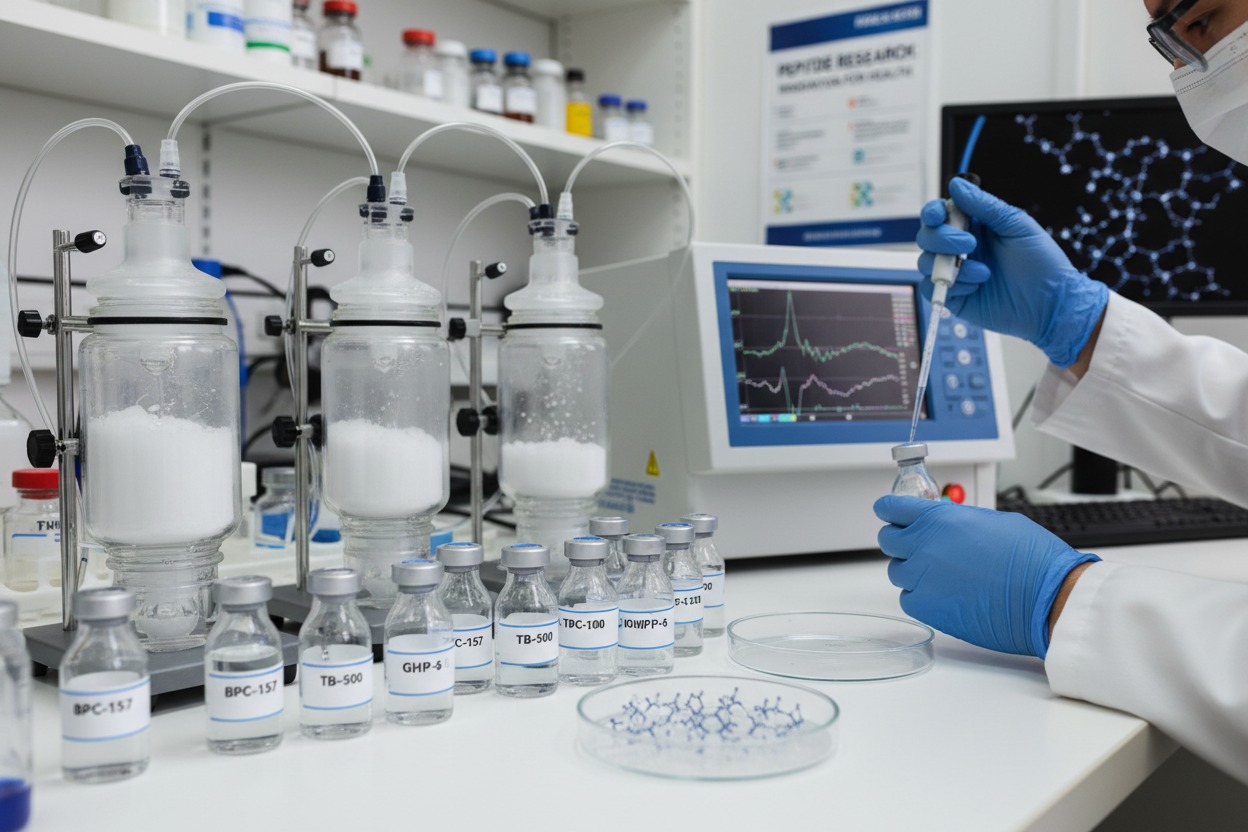
The global surge of interest in peptides is no longer confined to research laboratories and niche pharmaceutical pipelines. Today, peptides are at the center of one of the most dynamic transformations in modern medicine, biotechnology, and health innovation. Driven by forward-thinking policy frameworks and rapid scientific advancements, the peptide sector is experiencing unprecedented growth. From metabolic health and oncology to regenerative medicine and personalized therapeutics, peptides are redefining what is possible in targeted treatment.
This acceleration is not accidental. It is the result of calculated regulatory modernization, public-private collaboration, manufacturing breakthroughs, and increasing investment into precision medicine. Together, these forces are supercharging what many are calling the peptide boom.
The Expanding Role of Peptides in Modern Medicine
Peptides, short chains of amino acids, function as signaling molecules within the body. Because they mimic natural biological processes, they can offer highly specific therapeutic effects with often fewer systemic side effects compared to traditional small molecule drugs.
In recent years, peptide-based therapies have gained traction across several key therapeutic areas:
- Metabolic disorders such as obesity and type 2 diabetes
- Oncology through targeted tumor therapies
- Endocrinology including hormone-related conditions
- Cardiovascular health
- Autoimmune and inflammatory diseases
The most visible example of this growth is in metabolic medicine. Peptide-based GLP-1 receptor agonists have transformed obesity and diabetes care, showcasing how targeted hormone-mimicking treatments can deliver measurable and scalable results. These breakthroughs have catalyzed both public awareness and investor confidence, propelling broader peptide research.
Policy Reform As A Catalyst For Acceleration
One of the most powerful drivers behind the peptide boom is evolving regulatory policy. Governments and health agencies worldwide are recognizing that biotech innovation must be matched with efficient, modern approval pathways.
Streamlined Regulatory Pathways
Regulators are implementing faster review processes for breakthrough therapies, orphan drugs, and biologics. Because many peptides fall into biologic-like categories, they benefit from:
- Accelerated approval programs
- Priority review designations
- Expanded compassionate use access
- Clearer manufacturing compliance guidelines
These policy adaptations reduce barriers to clinical translation and encourage venture capital participation. By ensuring predictable regulatory pathways, policymakers are lowering risk for innovators.
Public Funding And Research Incentives
Government grants, academic partnerships, and biotech incubator programs are pouring resources into peptide research. National innovation funds and biomedical initiatives are prioritizing precision therapeutics, where peptides play a core role.
Tax credits for R&D, incentives for domestic biomanufacturing, and funding for translational medicine are creating a fertile environment for startups and established pharmaceutical companies alike.
Technological Innovation Reshaping Peptide Development
While policy sets the stage, technology drives execution. Advances across computational biology, synthetic chemistry, and AI-driven drug discovery are dramatically improving the efficiency and scalability of peptide development.
AI And Computational Drug Design
Artificial intelligence is revolutionizing how peptides are discovered and optimized. Machine learning models can now:
- Predict peptide structure-function relationships
- Simulate receptor binding affinity
- Enhance stability and bioavailability profiles
- Reduce off-target effects
What once took years of laboratory experimentation can now be shortened through predictive modeling. This compression of timelines significantly reduces development costs while increasing success rates.
Advancements In Peptide Synthesis
Solid-phase peptide synthesis and automated manufacturing platforms are becoming more sophisticated and cost-effective. Improvements in purification technology and scalable production methods enable large-batch manufacturing while meeting stringent regulatory standards.
This matters because peptides historically faced limitations around stability and cost. Today, enhanced cyclization techniques, modified amino acid incorporation, and improved delivery systems are solving these longstanding challenges.
Next-Generation Delivery Systems
One of the earlier criticisms of peptide therapeutics was poor oral bioavailability. However, innovation in drug delivery has expanded options beyond injectables:
- Oral peptide formulations
- Transdermal applications
- Intranasal delivery systems
- Long-acting depot injections
Improved delivery expands patient adoption, commercial viability, and global accessibility.
The Investment Surge Fueling The Peptide Ecosystem
Capital markets are responding enthusiastically to peptide innovation. Biotech venture funding, strategic pharmaceutical acquisitions, and public market interest are all increasing around companies with peptide pipelines.
This surge in funding allows companies to:
- Advance clinical trials at faster rates
- Expand manufacturing capabilities
- Invest in next-generation platform technologies
- Scale global distribution networks
Institutional investors are particularly drawn to peptides because they occupy a unique middle ground between small molecules and complex biologics. They offer specificity and customization without some of the extreme cost burdens of large biologic therapies.
Precision Medicine And Personalized Therapeutics
The peptide boom aligns perfectly with the larger shift toward precision medicine. Unlike one-size-fits-all pharmaceutical approaches, peptide treatments can be engineered for specific pathways, receptors, and patient populations.
Advances in genomic sequencing and biomarker identification enable:
- Targeted therapy selection
- Improved treatment response rates
- Reduced adverse effects
- Data-informed dose optimization
As healthcare systems prioritize outcomes-based reimbursement models, highly targeted peptide therapies become even more attractive.
Global Manufacturing And Supply Chain Modernization
The pandemic exposed weaknesses in global pharmaceutical supply chains. In response, policymakers and industry leaders are investing in domestic biomanufacturing capabilities — including peptide synthesis facilities.
This modernization includes:
- Reshoring critical production processes
- Automation of peptide assembly and purification
- Enhanced quality control technologies
- Digital supply chain tracking
By building resilient infrastructure, governments not only secure drug availability but also stimulate local biotech economies.
Expanding Applications Beyond Pharmaceuticals
While therapeutic drugs dominate headlines, peptides are making significant inroads in adjacent industries.
Cosmeceuticals And Regenerative Aesthetics
Bioactive peptides are increasingly incorporated into advanced skincare and anti-aging formulations. Their ability to signal collagen production, improve skin elasticity, and support tissue repair drives demand in high-growth cosmetic markets.
Sports Medicine And Recovery
Peptide-based compounds are being explored for tissue repair, muscle regeneration, and recovery enhancement. Though regulatory oversight in this area remains critical, innovation continues at a strong pace.
Diagnostics And Imaging
Radiolabeled peptides are contributing to more accurate diagnostic imaging, particularly in oncology. These targeted imaging agents improve tumor detection and personalized treatment planning.
Ethical Considerations And Responsible Governance
Rapid growth also brings scrutiny. Policymakers are balancing innovation with safety oversight, especially as online peptide markets expand. Ensuring legitimacy, manufacturing quality, and patient protection remains a priority.
Responsible governance includes:
- Clear clinical evidence requirements
- Strict manufacturing compliance standards
- Crackdowns on unauthorized distribution channels
- Transparent labeling and physician oversight
Well-structured oversight strengthens public confidence and supports sustainable market expansion.
The Road Ahead: Sustainable Growth And Continued Breakthroughs
The peptide boom shows no sign of slowing. As regulatory clarity improves and technological tools become more powerful, innovation is likely to accelerate further. We can expect continued expansion in:
- Multi-functional peptide therapeutics
- Combination therapies integrating peptides and biologics
- Expanded metabolic and cardiovascular applications
- Oncology precision-targeting agents
Crucially, collaboration will remain central to growth. Governments, research institutions, biotech startups, and global pharmaceutical leaders must continue to align policy with innovation.
The synergy between forward-thinking regulation and cutting-edge science has created an ideal environment for peptide advancement. As investment scales and technologies mature, peptides are poised to become one of the cornerstone modalities of 21st-century medicine.
The peptide boom is not a temporary trend. It represents a structural shift in how therapies are designed, developed, and delivered. Through smart policy and relentless innovation, peptides are evolving from promising molecules into transformative solutions reshaping healthcare worldwide.