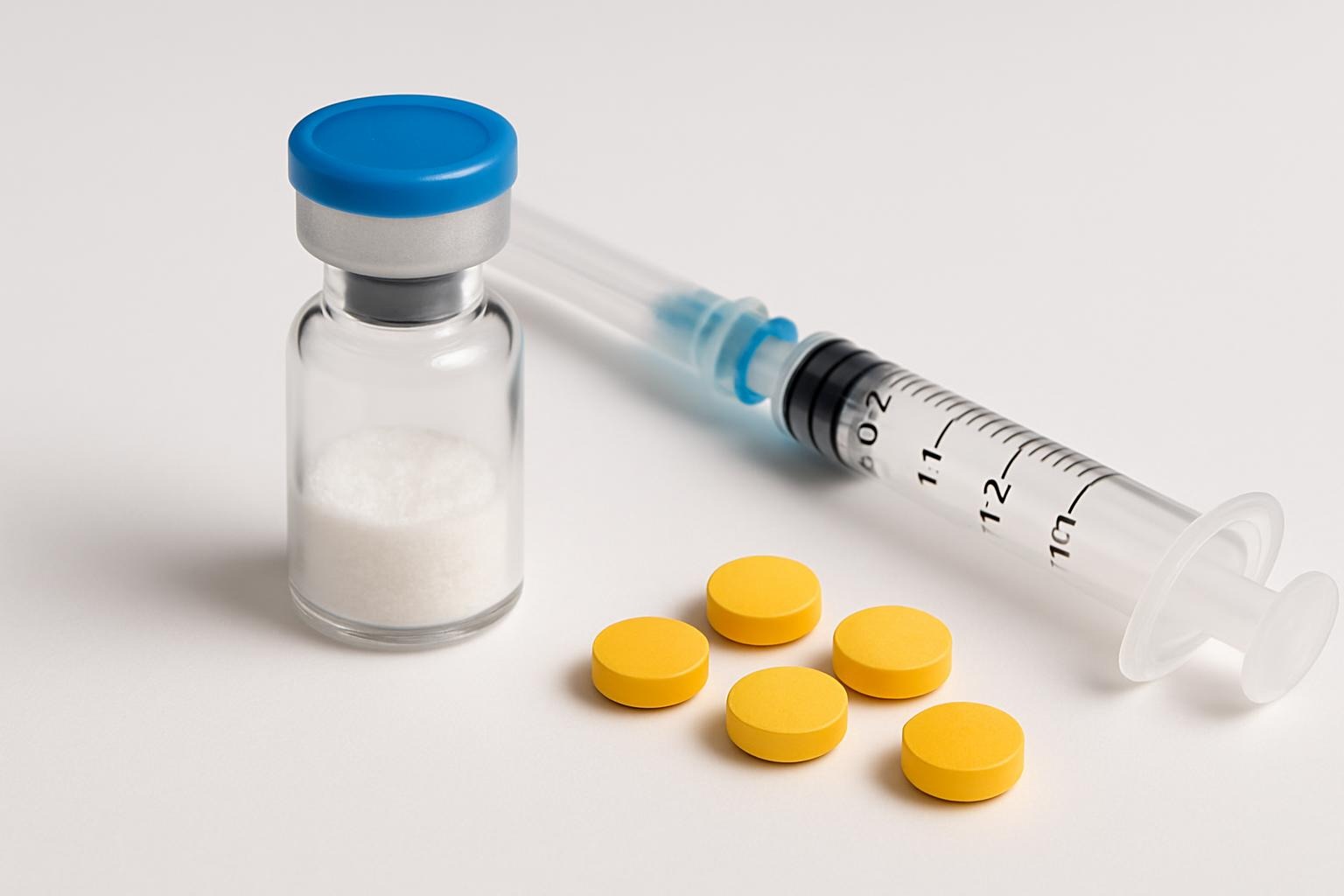
The “tanning peptide” has exploded in popularity across social media, fitness communities, and biohacking circles. Promoted as a shortcut to darker skin without excessive sun exposure, these peptides promise faster tanning, longer-lasting color, and enhanced melanin production.
But behind the viral hype lies an important question: what exactly is the tanning peptide, how does it work inside the body, and what are the real risks involved?
This complete guide breaks down the science, safety concerns, legal issues, and alternatives so you can make an informed decision.
What Is the Tanning Peptide?
The term “tanning peptide” usually refers to Melanotan peptides, synthetic compounds designed to mimic the body’s natural melanocyte-stimulating hormone (MSH).
The two most commonly discussed versions are:
Melanotan I (also called Afamelanotide)
Melanotan II
Both peptides stimulate melanocortin receptors in the body, especially MC1 receptors found in skin cells responsible for producing melanin.
Melanin is the pigment that gives skin its color and provides some protection against ultraviolet (UV) radiation.
By increasing melanin production internally, these peptides can darken skin tone even without heavy sun exposure.
How Melanin Works in the Body
To understand tanning peptides, it’s important to understand melanin biology.
When your skin is exposed to sunlight, UV radiation damages skin cells. In response, melanocytes produce melanin as a protective mechanism. This pigment absorbs UV rays and helps reduce further DNA damage.
Traditional tanning relies on repeated sun exposure to trigger this process.
Tanning peptides bypass this pathway by directly stimulating melanin production at the hormonal level. Instead of relying on sunlight as the trigger, the body receives a chemical signal telling melanocytes to increase pigment output.
This is why users often report tanning faster with less sun exposure.
How Do Tanning Peptides Work?
Melanotan peptides bind to melanocortin receptors in the skin and brain. Once activated, these receptors stimulate melanin synthesis and distribution throughout the skin.
This process leads to:
Darker baseline skin tone
Increased tanning efficiency
Longer pigment retention
Faster color development
However, Melanotan II also activates additional receptors in the brain that influence appetite, libido, and mood. This is why some users experience side effects beyond skin color changes.
Differences Between Melanotan I and Melanotan II
Although both peptides increase melanin, they behave differently in the body.
Melanotan I (Afamelanotide) is more selective in targeting skin pigmentation pathways. It is used in limited medical contexts for people with severe photosensitivity disorders. It tends to produce more gradual tanning effects and fewer neurological side effects.
Melanotan II is more potent and fast-acting. It often produces quicker tanning results but is also associated with a higher rate of side effects such as nausea, flushing, and appetite suppression.
Most underground “tanning peptide” products sold online are Melanotan II due to its stronger and more noticeable cosmetic effects.
Reported Benefits of Tanning Peptides
Many users report visible skin darkening within days or weeks of use.
One of the most popular claimed benefits is faster tanning. Users often say they achieve a tan with minimal sun exposure compared to traditional tanning methods.
Another reported benefit is longer-lasting color. Because melanin production remains elevated, skin tone may fade more slowly after sun exposure stops.
Some individuals also claim reduced sunburn frequency due to higher baseline melanin levels, although this should never replace sunscreen use.
Additional reported effects include appetite suppression, libido changes, and mood shifts. These effects vary widely and are not consistent across users.
Why Tanning Peptides Are Controversial
Despite their popularity, tanning peptides remain highly controversial within the medical community.
One major concern is the lack of regulatory approval for cosmetic tanning use. Many products sold online are not pharmaceutical grade and may contain incorrect dosages or impurities.
There is also limited long-term human safety data. While short-term studies exist, comprehensive research on years of repeated use is lacking.
Another major concern involves pigmentation changes. Increased melanin activity can darken existing moles and freckles, making it harder to detect abnormal skin changes associated with skin cancer.
Potential Risks and Side Effects
Reported side effects vary depending on dosage, product quality, and individual sensitivity.
Common side effects may include nausea, facial flushing, appetite suppression, fatigue, headache, and dizziness.
Skin-related side effects include uneven pigmentation, darkening of moles, and patchy tanning.
Some users report increased heart rate or blood pressure changes.
Because Melanotan II affects multiple hormone pathways, libido and mood changes have also been reported.
The most serious concern is the potential stimulation of abnormal melanocyte activity. Dermatologists warn that any unexplained changes in skin color, moles, or pigmentation should be evaluated immediately.
Are Tanning Peptides Safe?
Currently, tanning peptides are not considered fully safe for cosmetic use by regulatory authorities.
Medical-grade Afamelanotide has specific approved uses under strict medical supervision, but recreational tanning peptide use remains unregulated.
Safety depends heavily on purity, dosing accuracy, individual health status, and monitoring — all of which are difficult to control when purchasing online research chemicals.
For this reason, medical supervision and regular skin examinations are strongly recommended if someone considers use.
Legal Status Around the World
The legal status of tanning peptides varies by country.
In many regions:
They are not approved for cosmetic use
They are not legally sold as tanning products
Online sellers often label them as research chemicals
Medical use is restricted to specific clinical conditions
Consumers should research local laws before purchasing or using these substances.
User Experience and Expectations
Many first-time users report rapid color changes, especially when combined with minimal sun exposure.
However, results vary widely. Some individuals tan unevenly or develop patchy pigmentation. Others experience strong side effects that lead them to discontinue use.
Maintenance dosing is often required to preserve results, which increases long-term exposure and potential risks.
Safer Alternatives to Tanning Peptides
For individuals seeking darker skin tone without injection risks, several safer options exist.
Sunless tanning products using DHA provide cosmetic tanning without UV damage or hormone interference.
Professional spray tans offer immediate results without chemical absorption into the bloodstream.
Gradual tanning moisturizers allow slow, controlled color development.
Proper skincare and bronzing cosmetics can also create temporary tanning effects safely.
Who Should Avoid Tanning Peptides
Tanning peptides are not recommended for individuals with a history of skin cancer, abnormal moles, or pigmentation disorders.
They should also be avoided by pregnant or breastfeeding individuals, people with hormone-sensitive conditions, and those with cardiovascular issues.
Anyone with family history of melanoma should avoid altering melanin pathways without medical supervision.
Final Thoughts: Should You Use Tanning Peptides?
Tanning peptides offer a unique approach to skin pigmentation by stimulating melanin production internally rather than relying on sun exposure alone.
However, the lack of regulation, limited long-term safety data, and potential risks make them a controversial choice.
For most people, safer cosmetic tanning methods provide similar aesthetic results without altering hormone pathways or introducing unregulated compounds.
If someone chooses to explore tanning peptides, it should be done with full awareness of risks, professional oversight, and regular skin monitoring.