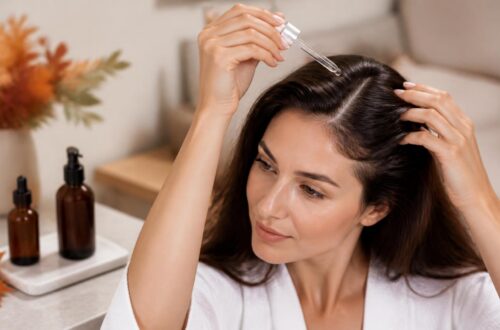
Why Peptides Are Everywhere in 2026
Peptides have become one of the most talked-about topics in the health, wellness, fitness, and skincare worlds. Once discussed mainly in clinical settings and research labs, they are now part of everyday conversations about recovery, healthy ageing, metabolic support, skin quality, and performance optimisation. In 2026, the peptide craze is no longer just a passing trend. It reflects a wider shift toward more personalised, targeted wellness strategies.
At a basic level, peptides are short chains of amino acids, which are the building blocks of proteins. These small molecules naturally exist in the body and help regulate many biological processes, including hormone signalling, tissue repair, immune function, and collagen production. Because of this, certain peptides have attracted growing attention for their potential to support specific health goals.
What makes peptides especially appealing is their precision. Unlike broad, one-size-fits-all approaches, peptides are often discussed as tools that may target very particular outcomes. Whether people are looking to improve exercise recovery, support body composition goals, enhance skin appearance, or explore healthy ageing strategies, peptides are increasingly being positioned as part of a more tailored plan.
What Are Peptides and Why Do They Matter?
Peptides are naturally occurring compounds made up of short sequences of amino acids. While proteins can be large and complex, peptides are smaller, which allows them to act as messengers in the body. They can signal cells to perform specific tasks, such as producing more collagen, releasing certain hormones, or initiating repair processes.
This signalling role is a major reason peptides matter. In many cases, the body already uses peptides to communicate internally. Researchers and clinicians have therefore explored whether certain peptide compounds can be used to support or mimic natural biological functions.
In practical terms, peptides are often discussed in connection with areas such as:
- Muscle recovery and tissue support
- Weight management and metabolic health
- Skin firmness, elasticity, and hydration
- Sleep and restorative function
- Healthy ageing and vitality
- Performance and resilience
The growing popularity of peptides comes from this combination of scientific intrigue and lifestyle relevance. Consumers are increasingly drawn to solutions that feel advanced yet highly targeted, and peptides fit that demand.
The Main Benefits Driving the Peptide Trend
1. Targeted Support for Specific Goals
One of the biggest reasons peptides have gained traction is their reputation for precision. Rather than offering general support alone, many are studied for highly specific functions. This targeted nature appeals to people who want more than a broad supplement routine and are interested in personalised protocols.
2. Recovery and Performance Interest
Fitness communities have played a major role in driving peptide awareness. In 2026, athletes, active adults, and wellness enthusiasts are all looking for ways to improve recovery, maintain lean mass, and support tissue resilience. Certain peptides are often discussed in relation to the body’s repair mechanisms, making them popular in performance-focused circles.
3. Healthy Ageing Appeal
Another major growth area is healthy ageing. Many people are looking for ways to stay active, maintain energy, and support body composition and skin quality as they get older. Peptides have become part of this broader conversation because some are associated with regenerative processes, hormone pathways, and collagen support.
4. Skincare and Beauty Crossover
The beauty industry has embraced peptides in a big way. Topical peptide formulations have become common in serums, creams, and anti-ageing products because they are associated with smoother-looking skin and improved elasticity. This crossover between medical wellness and beauty has helped propel peptides further into the mainstream.
Top Peptide Trends Shaping 2026
Personalised Wellness Protocols
In 2026, one of the strongest trends is the move toward customised wellness planning. Consumers are no longer satisfied with generic advice. They want solutions aligned with their biology, lifestyle, goals, and health markers. Peptides are often discussed within these tailored plans, especially in clinics focused on optimisation, longevity, and metabolic health.
Increased Interest in Longevity
Longevity remains one of the defining health trends of the decade. Rather than simply aiming to live longer, many people are focused on extending their years of health, mobility, and cognitive sharpness. Peptides are frequently mentioned in longevity discussions because of their possible links to repair, signalling, and resilience pathways.
Medical Wellness Meets Mainstream Culture
What was once niche is now visible across social media, podcasts, online health communities, and premium wellness clinics. This has brought peptide conversations to a much wider audience. However, it has also introduced confusion, oversimplification, and misinformation, making reliable education more important than ever.
Stronger Consumer Demand for Evidence
As peptides gain visibility, people are becoming more careful and informed. In 2026, a major trend is the demand for transparent information about sourcing, quality standards, safety, and clinical oversight. Consumers want to know not just what a peptide may do, but what evidence supports its use and whether it is appropriate for their situation.
Popular Areas Where Peptides Are Being Explored
While peptide science is broad, several categories continue to dominate public interest.
Metabolic Health and Weight Support
Weight management remains one of the largest wellness markets, and peptides have become part of that conversation. Some peptide-based therapies have attracted widespread public attention because of their role in appetite regulation, metabolic control, and body composition management. This area continues to evolve rapidly and is one of the strongest drivers of peptide awareness in 2026.
Recovery and Tissue Repair
Active individuals are especially interested in peptides linked to tissue support and post-exercise recovery. While enthusiasm is high, results may vary and professional guidance is important when discussing any peptide strategy related to training, resilience, or injury recovery.
Skin Health and Aesthetic Support
In skincare, peptides are widely used in formulas designed to support collagen production and improve the look of fine lines and texture. For many consumers, skincare peptides are the most accessible entry point into the broader peptide category.
Hormonal and Vitality Conversations
Some peptides are discussed in relation to hormonal signalling and vitality support, particularly among adults seeking solutions for energy, recovery, and age-related changes. This is an area where appropriate medical consultation matters most, as hormone-related pathways are complex and highly individual.
What to Know Before Considering Peptides
The excitement around peptides is real, but so is the need for caution. Not every peptide is suitable for every person, and not every product on the market is backed by the same quality controls or clinical standards.
Quality and Source Matter
The source of any peptide product is critical. Purity, storage, formulation quality, and handling all play a major role in safety and effectiveness. In a booming market, not all providers are equal, and this is one of the most important factors consumers should understand.
Professional Oversight Is Important
Because peptides may interact with complex biological systems, they are not something to approach casually. The best pathway is through qualified medical or clinical guidance, particularly for peptides discussed in relation to metabolism, hormones, or systemic effects.
Results Are Not Universal
One reason peptides can be misunderstood is that people often hear dramatic success stories online. In reality, outcomes differ based on the peptide involved, the person’s health status, dosage, consistency, expectations, and whether the approach is medically appropriate. Peptides are not magic fixes, and they work best when viewed as part of a broader wellness plan.
Regulation and Legitimacy Vary
Another key point in 2026 is that peptide regulation differs depending on product type, intended use, and region. Some are used in clinical contexts, some appear in cosmetic products, and others may be sold in ways that raise concerns. Consumers should be wary of exaggerated claims, unofficial suppliers, and products that seem to bypass proper standards.
Are Peptides Just a Trend or Here to Stay?
While the recent surge in attention may feel trendy, peptides themselves are not new. Their use in science, medicine, and skincare has been developing for years. What is new is the scale of public awareness and the way peptides now sit at the intersection of wellness culture, clinical innovation, and consumer demand for targeted solutions.
That suggests peptides are likely more than a temporary craze. The category is expected to continue growing as research expands, formulations improve, and personalised medicine becomes more mainstream. At the same time, the market will likely become more sophisticated, with stronger emphasis on evidence, quality assurance, and responsible use