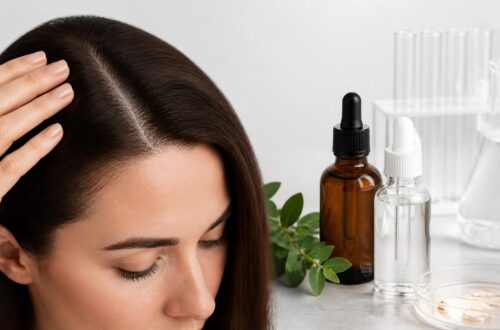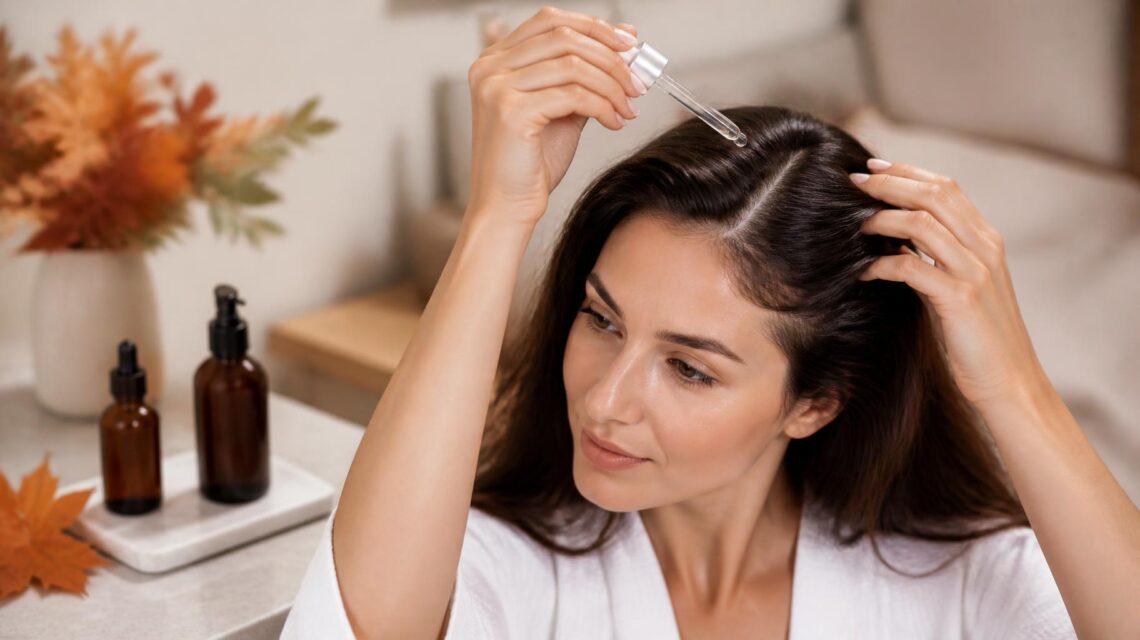
As the seasons shift and temperatures begin to drop, many people notice more strands of hair collecting in the shower drain, on their brush, or across their clothing. This can feel alarming, especially if your hair suddenly seems thinner or harder to manage. The good news is that fall seasonal shedding is a common experience, and in many cases, it is a normal part of the hair growth cycle.
Understanding how to anchor hair during this period starts with knowing why shedding happens in the first place. Once you recognize the triggers and learn how to support your scalp and strands, you can minimize unnecessary breakage, protect density, and encourage healthier regrowth.
Why Hair Shedding Often Increases in Fall
Hair grows in cycles, and each strand moves through phases of active growth, rest, and shedding. During late summer and early fall, more hairs may enter the shedding phase at once. Experts often compare this to a seasonal reset, where the body responds to changes in daylight, temperature, stress patterns, and even summer-related scalp damage.
While this increase in shedding is usually temporary, it can still make hair appear less full. For people with already fragile strands, chemical treatments, scalp issues, or nutritional deficiencies, seasonal shedding may feel more dramatic.
Several factors may contribute to this pattern:
- Hair cycle timing: More follicles may naturally shift into the resting phase during seasonal transitions.
- Summer stress on hair: UV exposure, chlorine, saltwater, and heat styling can weaken strands before fall arrives.
- Scalp imbalance: Changes in weather may lead to dryness, irritation, or flaking.
- Lifestyle changes: Back-to-school routines, work stress, and less outdoor activity can all influence hair health.
The key is to focus on keeping the hair you have as strong and supported as possible while allowing the natural cycle to rebalance.
What It Means to Anchor Hair
To anchor hair means creating the best possible conditions for strands to remain firmly supported through the scalp and shaft. This involves caring for the follicle, reducing inflammation, avoiding unnecessary tension, and protecting the hair fiber from breakage. Since not all shed hair can or should be stopped, the goal is not to fight the body’s natural cycle but to reduce excess loss and maintain overall hair resilience.
Anchoring hair during fall requires a combination of scalp care, moisture management, gentle styling, proper nutrition, and consistent habits.
Prioritize Scalp Health First
A healthy scalp provides the foundation for stronger, more secure hair. If the scalp is inflamed, clogged, overly dry, or coated in buildup, follicles may struggle to support optimal growth.
Cleanse Without Stripping
Use a shampoo that effectively removes oil, sweat, and product buildup without leaving the scalp tight or irritated. Many people overwash in summer and then continue the same routine into cooler weather, when the scalp may need a gentler approach.
Look for formulas that support scalp balance and avoid harsh cleansing habits that can lead to dryness.
Exfoliate Occasionally
A weekly or biweekly scalp exfoliation can help remove dead skin cells and residue that may block healthy follicle function. This can be especially helpful if you use dry shampoo regularly or have flaky buildup during colder months.
Support the Scalp Barrier
If your scalp feels itchy or sensitive in fall, focus on hydration and soothing ingredients. A calm scalp creates a stronger environment for hair retention. Lightweight scalp serums and leave-in treatments can help maintain comfort without weighing roots down.
Be Gentle With Fragile Fall Hair
One of the biggest mistakes people make during seasonal shedding is handling hair too aggressively. When you are already noticing extra loss, rough brushing, tight hairstyles, and high heat can make the situation look even worse by adding breakage on top of natural shedding.
Rethink Your Brushing Routine
Brush hair slowly and carefully, especially when wet. Start at the ends and work upward to avoid pulling on the roots. If you see hair in your brush, do not panic immediately. Some shedding is normal, but excessive force can turn normal loss into preventable damage.
Avoid Tight Styles
Ponytails, buns, braids, and slicked-back styles can place additional tension on follicles. During times of active shedding, choose looser hairstyles that do not tug at the scalp. This is especially important around the hairline and crown, where thinning may become more noticeable.
Reduce Heat Exposure
Frequent blow-drying, flat ironing, and curling can weaken the hair shaft, causing strands to snap more easily. If possible, let hair air-dry part of the way before styling, use lower heat settings, and always apply heat protection.
Strengthen Hair Through Moisture and Protein Balance
Hair that is too dry becomes brittle, while hair that is overloaded with protein can become stiff and prone to snapping. During fall, many people need to restore balance after summer sun and environmental exposure.
To keep hair anchored and looking fuller, focus on strengthening the strand itself.
- Use a hydrating conditioner after every wash to improve softness and flexibility.
- Apply a weekly mask if your hair feels rough, porous, or overprocessed.
- Use protein treatments sparingly if hair is weak or chemically treated, but avoid overuse.
- Seal in moisture with lightweight oils or leave-in products on mid-lengths and ends.
Well-conditioned hair is less likely to break, which helps preserve the appearance of density while seasonal shedding runs its course.
Feed Hair Growth From the Inside
Topical products can help, but strong hair also depends on internal support. If your diet has been inconsistent or stress has affected your eating habits, fall is a good time to refocus on nutrition that supports healthy follicles.
Hair relies on a steady supply of nutrients to grow efficiently. When the body is under stress or low in key vitamins and minerals, shedding may become more noticeable.
Nutrients That Matter for Hair Retention
- Protein: Hair is made primarily of keratin, a protein, so adequate intake is essential.
- Iron: Low iron levels are often linked to increased hair shedding.
- Vitamin D: Seasonal light changes may affect vitamin D status, which plays a role in follicle function.
- Zinc: Important for tissue repair and healthy growth cycles.
- Omega-3 fatty acids: Helpful for scalp comfort and overall hair quality.
If shedding feels extreme or prolonged, it may be worth discussing blood work with a healthcare provider to rule out deficiencies or underlying health issues.
Manage Stress to Minimize Excess Shedding
Stress is often overlooked in hair conversations, but it can significantly affect the growth cycle. Emotional strain, physical illness, poor sleep, and sudden routine changes may trigger more hairs to enter the shedding phase.
Since fall often brings busier schedules and less downtime, stress management becomes part of hair care. You may not be able to eliminate stress entirely, but lowering overall strain can support healthier regrowth.
Helpful habits include:
- Prioritizing consistent sleep
- Staying physically active
- Practicing relaxation techniques such as deep breathing or meditation
- Reducing crash dieting or restrictive eating
- Creating a manageable self-care routine you can actually maintain
Healthy hair responds well to healthy routines, even when the benefits are gradual.
Choose Products That Support Density, Not Buildup
During shedding season, it is tempting to layer on multiple products in hopes of quick results. But heavy formulations may smother the scalp, weigh roots down, and make hair appear flatter. Instead, choose targeted products that support volume, scalp health, and strand strength.
Look for Smart Product Categories
- Scalp serums designed to nourish the follicle area
- Volumizing mousses or sprays that lift roots without stiffness
- Lightweight leave-ins that reduce tangling and breakage
- Clarifying treatments used occasionally to remove buildup
The best routine is one that helps hair feel clean, supported, and easy