Interest in GHK-Cu peptides has surged across the skincare, haircare, and wellness world. From anti-aging serums to scalp treatments, this small but powerful copper peptide has become one of the most talked-about ingredients in modern cosmetic science. But what exactly is GHK-Cu, what does it do, and why has it earned such a strong reputation?
In simple terms, GHK-Cu is a naturally occurring copper peptide made from three amino acids bound to copper. It was first identified in human plasma and has since been studied for its possible role in skin renewal, wound support, collagen production, and hair follicle health. As people search for science-backed ingredients that do more than just hydrate the skin, GHK-Cu has stepped into the spotlight.
This guide explains what GHK-Cu peptides are, their potential benefits, common uses, safety considerations, and why so many people are adding them to their routines.
What Is GHK-Cu?
GHK-Cu stands for glycyl-L-histidyl-L-lysine copper. It is a naturally occurring peptide complex found in the human body, especially in plasma, saliva, and urine. The molecule binds with copper ions, creating a bioactive compound that has attracted major attention in cosmetic and regenerative research.
What makes GHK-Cu particularly interesting is that it appears to act like a signaling molecule. In skincare terms, that means it may help communicate with skin cells and support processes linked to repair and rejuvenation. Researchers have explored its relationship with tissue remodeling, inflammation control, antioxidant activity, and the stimulation of key structural proteins in the skin.
Levels of naturally occurring GHK-Cu may decline with age, which is one reason many experts believe topical supplementation has become so popular in anti-aging products.
How GHK-Cu Peptides Work
The appeal of GHK-Cu lies in its multitasking potential. Rather than functioning as a simple surface-level moisturizer, it may interact with skin on a deeper biological level.
GHK-Cu is thought to support several important functions:
- Collagen and elastin support: These proteins help keep skin firm, smooth, and resilient.
- Antioxidant defense: GHK-Cu may help reduce the visible effects of oxidative stress caused by pollution and environmental damage.
- Skin repair signaling: It has been studied for its possible role in wound healing and tissue recovery.
- Inflammation modulation: Some evidence suggests it may help calm irritation and support a healthier skin environment.
- Hair follicle support: In scalp applications, GHK-Cu may contribute to healthier follicle function and improved hair appearance.
Because it is a peptide, GHK-Cu is often included in advanced formulas designed to target multiple signs of aging at once.
Benefits of GHK-Cu for Skin
May Help Reduce the Look of Fine Lines and Wrinkles
One of the main reasons people seek out GHK-Cu is its reputation as an anti-aging skincare ingredient. By supporting collagen production and skin regeneration, it may help reduce the appearance of fine lines, creases, and rough texture over time.
Unlike harsher active ingredients, GHK-Cu is often described as being more supportive than aggressive, making it attractive to those who want visible skin improvements without a highly irritating routine.
Supports Firmer, Smoother Skin
As skin ages, it naturally loses elasticity and structure. GHK-Cu may help support proteins that keep the skin looking lifted and supple. This can contribute to a firmer overall appearance and a smoother feel.
Many users report that products containing copper peptides help the skin appear fresher, more refined, and more balanced with regular use.
May Improve Skin Tone and Texture
Another widely discussed benefit of GHK-Cu is its potential to improve skin texture. Dullness, unevenness, and visible roughness can make skin look tired. Because GHK-Cu is linked with renewal and repair pathways, it may help support a more even and radiant complexion.
Helps Support the Skin Barrier
A strong skin barrier is essential for retaining moisture and defending against irritants. GHK-Cu may help reinforce the skin’s natural repair processes, which can be particularly useful for skin that feels stressed, dry, or compromised.
May Calm the Appearance of Redness
Some formulations use GHK-Cu because of its soothing profile. While it is not a medical treatment for inflammatory skin conditions, it may help visibly calm skin that appears irritated or environmentally stressed.
GHK-Cu for Hair Growth and Scalp Health
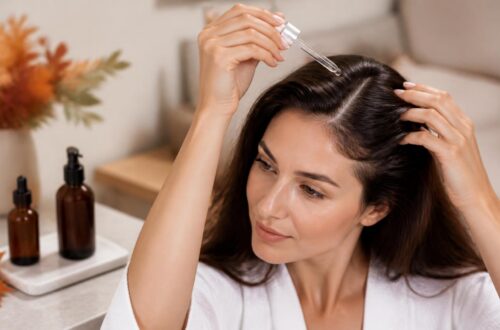
Beyond skincare, GHK-Cu for hair has become a major point of interest. Copper peptides are increasingly found in scalp serums and hair-support products aimed at improving the look of thinning hair.
Research into GHK-Cu suggests it may benefit the scalp environment and hair follicles in several ways:
- Supports a healthier scalp condition
- May help improve the appearance of hair density
- Could assist in maintaining stronger-looking strands
- May encourage a growth-supportive follicle environment
Although GHK-Cu is not a guaranteed cure for hair loss, it has become popular among people looking for cosmetic scalp support that aligns with evolving peptide-based haircare trends.
Common Uses of GHK-Cu Peptides
GHK-Cu is available in a growing number of beauty and cosmetic products. The most common forms include:
- Facial serums: Often used to target signs of aging, dehydration, and uneven texture.
- Creams and moisturizers: Added to support skin barrier function and long-term firmness.
- Eye treatments: Used in formulas aimed at softening the look of fine lines around the eyes.
- Scalp serums: Designed to help create a healthier environment for fuller-looking hair.
- Post-procedure skincare: Sometimes included in calming formulas intended to support recovery after cosmetic treatments, depending on professional advice.
Because it is versatile, GHK-Cu is often paired with ingredients such as hyaluronic acid, niacinamide, and gentle hydrators. However, users should still pay attention to formula design and usage instructions.
How to Use GHK-Cu in a Skincare Routine
If you are introducing GHK-Cu into a skincare routine, simplicity usually works best. A peptide serum is often applied after cleansing and before heavier creams.
Basic usage tips include:
- Apply to clean, dry skin
- Follow with a moisturizer to lock in hydration
- Use sunscreen during the day, especially in anti-aging routines
- Introduce one new active product at a time
- Patch test before full use
Many people use GHK-Cu once or twice daily, depending on the product instructions and their skin tolerance. Consistency matters more than overuse, and results typically require regular application over time.
GHK-Cu Safety and Side Effects
For most people, topical GHK-Cu is considered well tolerated when used as directed in cosmetic formulations. It is often praised for being gentler than some stronger resurfacing actives, which helps explain its broad appeal.
That said, no skincare ingredient is completely risk-free for everyone. Possible considerations include:
- Mild irritation in sensitive individuals
- Redness or stinging if combined with too many active ingredients at once
- Reactions to other ingredients in the formula rather than the peptide itself
Anyone with highly reactive skin, allergies, or an existing skin condition should consider speaking with a dermatologist before adding a new peptide treatment. If a product is intended for scalp use, it is also wise to monitor for itching or sensitivity.
It is important to distinguish between cosmetic use and more experimental forms of peptide application sometimes discussed online. For everyday consumers, the safest route is choosing reputable skincare or haircare products from trusted brands with clear instructions.
Why Everyone Is Talking About GHK-Cu
The excitement around GHK-Cu is driven by a mix of science, consumer demand, and the shift toward performance-based skincare. People increasingly want ingredients that do more than temporarily plump