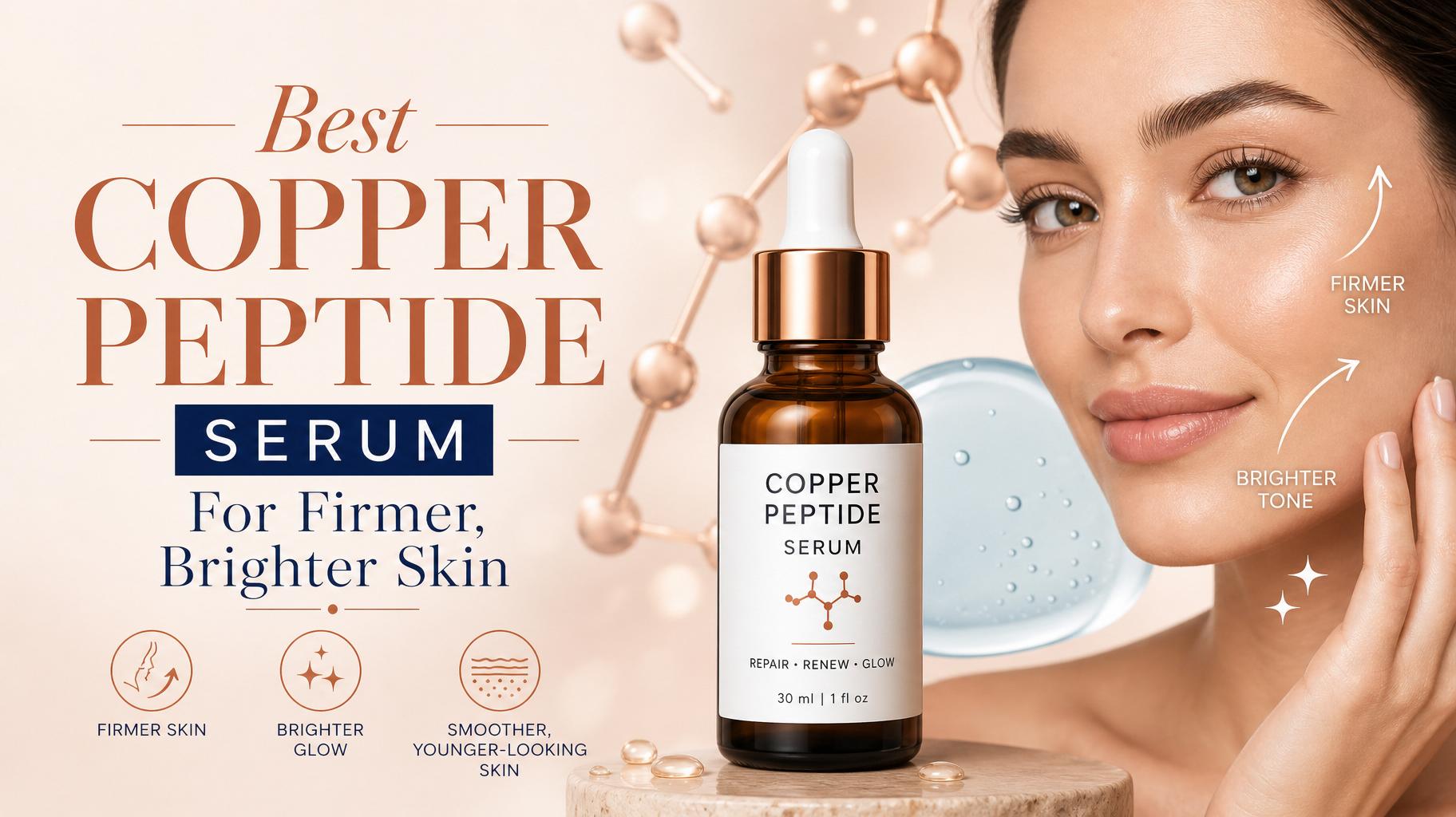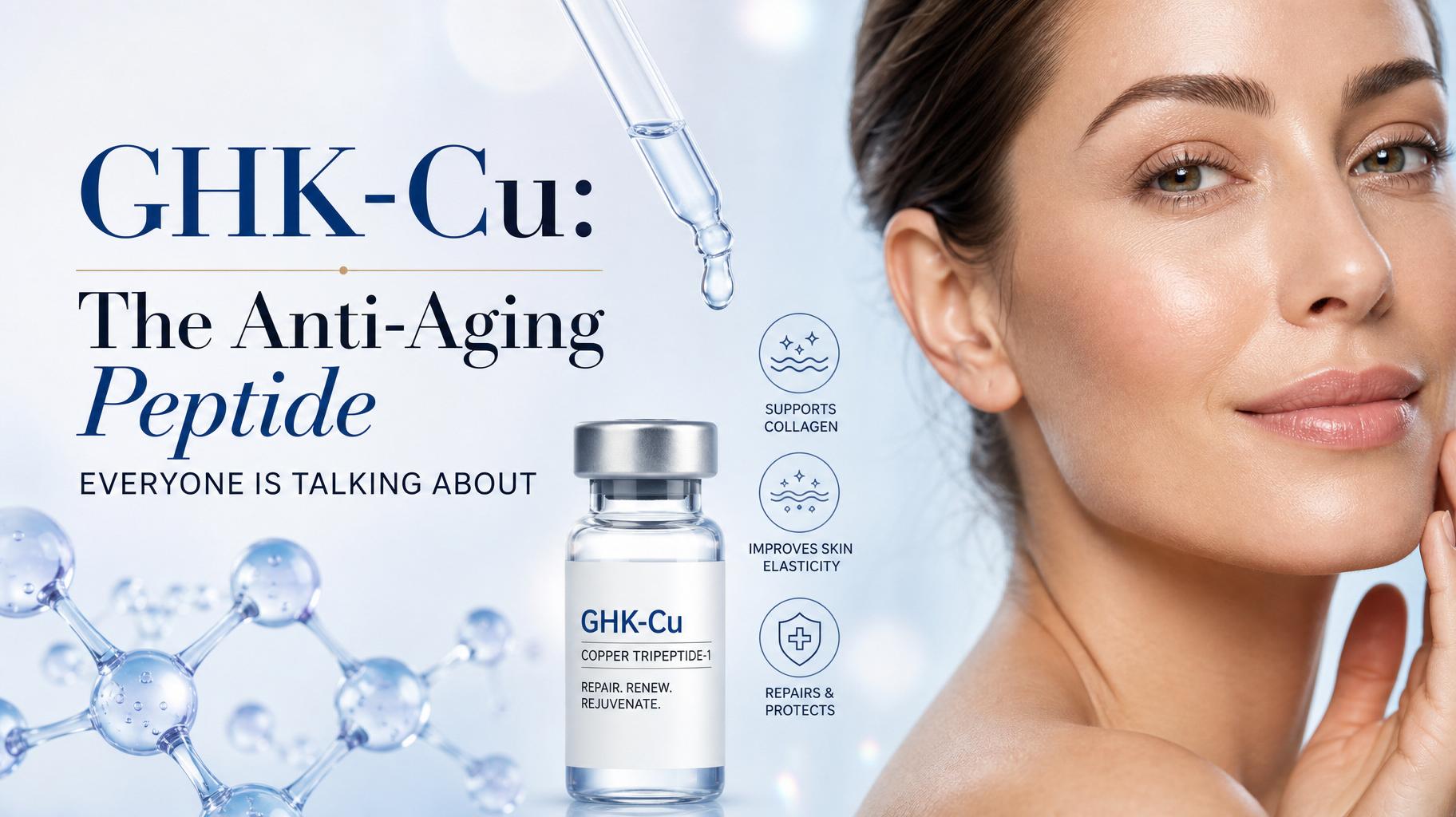
GHK-Cu has rapidly become one of the most talked-about ingredients in the beauty and wellness world, especially among people searching for smarter ways to support healthy aging skin. Short for glycyl-L-histidyl-L-lysine copper, GHK-Cu is a naturally occurring copper peptide found in the human body. Researchers have studied it for its potential role in skin renewal, wound support, collagen activity, and overall tissue repair, which is why it has become a standout topic in anti-aging conversations.
As interest in science-backed skincare continues to grow, GHK-Cu is being highlighted as more than just another trending ingredient. It is often included in serums, creams, and advanced treatment products because of its reputation for helping improve the visible signs of aging such as fine lines, loss of elasticity, dullness, and uneven texture. For those seeking a modern skincare ingredient with a research-driven reputation, GHK-Cu certainly deserves attention.
What Is GHK-Cu?
GHK-Cu is a naturally occurring peptide complex bound to copper ions. Peptides are short chains of amino acids, and in skincare they are valued because they can act as signaling molecules, helping the skin perform key repair and renewal functions. In the case of GHK-Cu, the peptide binds copper, an essential trace mineral involved in multiple biological processes.
What makes this compound so interesting is that it has been identified in human plasma, saliva, and urine, with levels typically decreasing as we age. This decline has led researchers and skincare experts to investigate whether topical application of GHK-Cu may help support some of the regenerative processes that become less efficient over time.
In simple terms, GHK-Cu is often described as an ingredient that may help the skin look firmer, smoother, and healthier by encouraging natural repair mechanisms rather than merely masking visible concerns.
Why GHK-Cu Is Being Called an Anti-Aging Breakthrough
The excitement around GHK-Cu is not accidental. Unlike many cosmetic ingredients that focus on short-term surface improvements, this peptide is often discussed for its deeper biological significance. It has been associated with supporting skin remodeling, improving elasticity, and reducing visible photodamage.
One of the main reasons GHK-Cu gets so much attention is its connection to collagen and elastin support. These two structural proteins are essential for youthful-looking skin. As collagen production slows with age, skin can become thinner, looser, and more prone to wrinkles. Ingredients that help maintain or support collagen-rich skin are naturally appealing in anti-aging skincare.
In addition, GHK-Cu is frequently studied for its role in:
- Supporting the appearance of firmer skin
- Helping reduce the look of fine lines and wrinkles
- Improving skin texture and smoothness
- Promoting a more even and radiant complexion
- Helping skin recover from environmental stressors
This broad range of potential benefits is part of what makes it so compelling in both cosmetic and research settings.
How GHK-Cu Works in Skincare
To understand the popularity of GHK-Cu, it helps to know how it is believed to function. Copper itself plays a role in enzymes that are important for healing and tissue maintenance. When combined with the tripeptide GHK, the resulting complex may act as a messenger that signals the skin to engage in repair-focused activities.
In skincare formulations, GHK-Cu is often used because it may support:
1. Skin Repair and Renewal
One of the strongest reasons consumers are drawn to copper peptides is their association with the skin’s natural repair processes. This makes GHK-Cu particularly attractive for mature skin, stressed skin, and post-treatment skincare routines when a product is intended to support recovery and resilience.
2. Collagen Appearance Support
Although no topical ingredient can stop aging entirely, certain compounds may help support the appearance of skin structure. GHK-Cu is often included in anti-aging products because of research suggesting it may help the skin appear denser, more elastic, and better hydrated over time.
3. Antioxidant-Related Benefits
Environmental factors such as UV exposure, pollution, and daily stress can accelerate visible skin aging. GHK-Cu is frequently mentioned in relation to antioxidant defense, which is important because oxidative stress can contribute to dullness, rough texture, and premature fine lines.
4. Soothing and Barrier Support
Many users are interested in GHK-Cu because it is often perceived as a gentler anti-aging ingredient compared with more aggressive actives. While results vary by formula and skin type, well-designed copper peptide products are commonly chosen by people looking to improve visible aging signs without overstripping or irritating the skin.
Potential Skin Benefits of GHK-Cu
While no ingredient works identically for everyone, GHK-Cu is often praised for a wide variety of cosmetic benefits. The most commonly discussed visible improvements include:
- Reduced appearance of fine lines
- Improved skin firmness and elasticity
- Smoother skin texture
- Better hydration retention
- More even-looking skin tone
- Support for stressed or compromised skin
These benefits have made GHK-Cu a popular ingredient not only in facial skincare but also in products targeting the neck, eye area, and scalp. Some hair and scalp formulations include copper peptides due to growing interest in how they may support healthier-looking follicles and scalp condition.
GHK-Cu vs Other Anti-Aging Ingredients
Consumers often compare GHK-Cu with familiar ingredients like retinol, vitamin C, hyaluronic acid, and growth factor-inspired treatments. Each serves a different purpose, and GHK-Cu fits into the anti-aging category in a unique way.
GHK-Cu vs Retinol
Retinol is famous for accelerating skin turnover and reducing visible wrinkles, but it can also be irritating for some users. GHK-Cu is often seen as a more supportive, less aggressive option, particularly for those with sensitive or reactive skin.
GHK-Cu vs Vitamin C
Vitamin C is widely used for brightening and antioxidant protection. GHK-Cu may complement that goal by focusing more on repair signaling and skin resilience. Some people alternate them in a routine rather than layering them all at once, depending on product formulation and tolerance.
GHK-Cu vs Hyaluronic Acid
Hyaluronic acid is primarily a hydration ingredient. GHK-Cu, by contrast, is valued more for its potential regenerative and structural support properties. Used together, they can make a strong combination for plumper-looking skin.
How to Use GHK-Cu in Your Routine
If you are considering adding GHK-Cu to your skincare routine, choosing the right product format matters. Copper peptides are most commonly found in:
- Serums
- Moisturizers
- Eye treatments
- Post-procedure support products
- Scalp and hair care formulas
For best results, apply according to the brand’s instructions. In most cases, a copper peptide serum is used after cleansing and before heavier creams. A consistent routine is usually more important than overuse.
When introducing any active skincare ingredient, it is wise to:
- Patch test before first use
- Start slowly if you have sensitive skin
- Use sunscreen daily, especially in an anti-aging routine
- Avoid mixing too many strong actives at once until you know how your skin responds
Who Should Try GHK-Cu?
GHK-Cu may appeal to a wide range of skincare users, especially those focused on prevention and healthy aging. It is commonly considered by people who want to address:
- Early signs of aging
- Mature skin concerns
- Dull or tired-looking skin
- Loss of firmness
- Dryness and rough texture
- Skin that needs gentle support after stress or treatments
Because it is often marketed as a skin-supportive peptide rather than a harsh resurfacing ingredient, it may be especially appealing to people who cannot tolerate stronger anti-aging products.