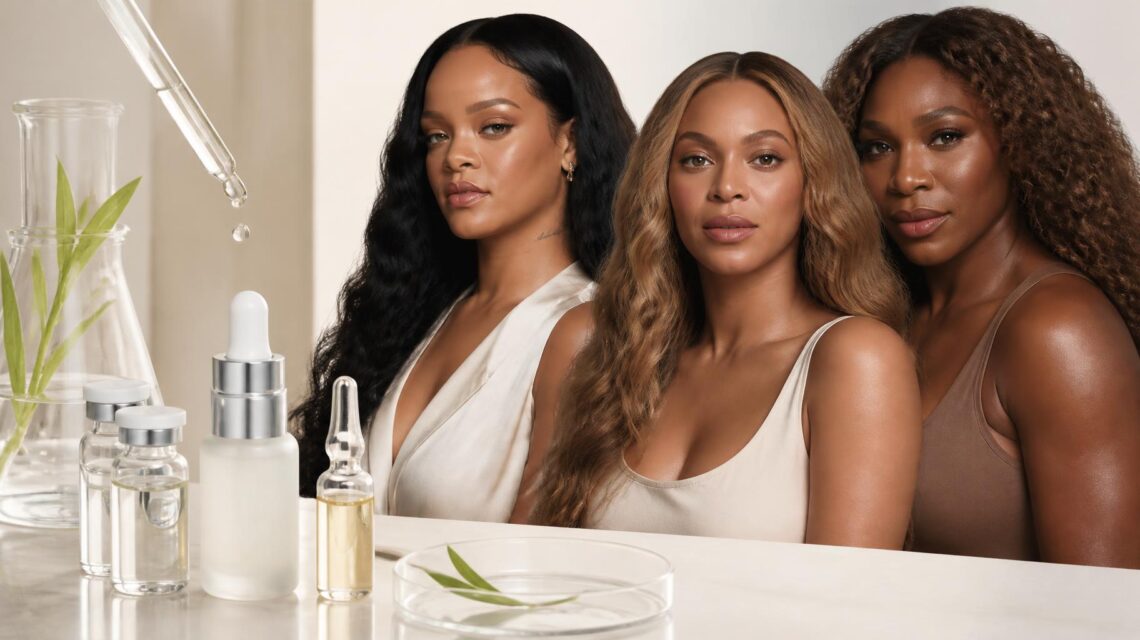
Peptides are having a major beauty moment, and the trend is being propelled by some of the world’s most influential women. From Rihanna and Beyoncé to Serena Williams, high-profile celebrities are helping bring peptide-powered skincare and beauty products into the mainstream. While celebrity endorsements often spark curiosity, peptides are not just another passing fad. They have become one of the most talked-about ingredients in modern beauty because of their science-backed potential to support healthier, firmer, and more radiant skin.
As consumers become more ingredient-savvy, the rise of peptides reflects a broader shift in the beauty world toward formulas that promise visible results without overly aggressive treatments. In a market once dominated by buzzwords and miracle claims, peptides stand out because they are versatile, effective, and increasingly easy to find in everything from serums and moisturizers to lip treatments and haircare. Their popularity among celebrities only adds to the momentum, but the real reason peptides are gaining traction is their ability to fit seamlessly into a results-driven beauty routine.
Why Peptides Are Becoming Beauty’s Most Wanted Ingredient
Peptides are short chains of amino acids, which are the building blocks of proteins such as collagen, elastin, and keratin. These proteins are essential for maintaining the skin’s firmness, elasticity, and smooth texture. As people age, collagen production naturally declines, which can contribute to fine lines, dullness, and sagging skin. Peptides are used in skincare because they can help support the skin and encourage a more youthful-looking appearance.
What makes peptides especially appealing is that they are generally considered gentler than some other highly active ingredients. While retinoids and exfoliating acids can be transformative, they can also irritate sensitive skin. Peptides, on the other hand, are often included in formulas designed to nourish, hydrate, and strengthen the skin barrier. This makes them attractive to a wide range of consumers, including those looking for anti-aging benefits without excessive dryness or peeling.
The current enthusiasm around peptides also aligns with a growing interest in preventative skincare. Rather than waiting for visible signs of aging to develop, many beauty shoppers are now investing earlier in products that help maintain skin health over time. Peptides fit perfectly into this philosophy because they support the skin in subtle but meaningful ways.
The Celebrity Effect: Rihanna, Beyoncé, And Serena Williams
When cultural icons embrace a beauty ingredient, the public pays attention. Rihanna, Beyoncé, and Serena Williams each bring enormous influence not only because of their fame, but because they are associated with excellence, confidence, and polished personal style. Their beauty choices often shape consumer interests and broader market trends.
Rihanna has played a transformative role in beauty through her brand-building power and her ability to spotlight products that resonate with a diverse audience. Beyoncé’s reputation for flawless, luminous skin makes any ingredient connected to her beauty world instantly more desirable. Serena Williams, meanwhile, represents strength, discipline, and wellness, which gives added credibility to ingredients associated with performance and care. Together, these women help position peptides as both luxurious and practical.
Celebrity support matters because it introduces ingredients to consumers who may not spend their time reading dermatology-led skincare explainers. However, peptides are not thriving solely because stars are using them. They are succeeding because they answer a real consumer need: products that can hydrate, smooth, support collagen, and enhance the overall feel and appearance of the skin without overwhelming it.
What Peptides Actually Do For Skin
Peptides are popular because they can serve multiple functions depending on the formula. Different peptides have different roles, but many are included in products to help improve the look of skin texture, elasticity, and resilience. Some are designed to signal the skin to support collagen production, while others help soothe or reinforce the moisture barrier.
Here are some of the most notable benefits associated with peptide skincare:
- Improved firmness: Peptides are often used in products targeting loss of elasticity and skin that appears less plump.
- Smoother texture: Regular use may help soften the look of fine lines and create a more refined surface.
- Hydration support: Many peptide formulas are paired with hydrating ingredients to help skin feel more comfortable and balanced.
- Barrier reinforcement: Certain peptides can support the skin’s natural protective function, which is especially important for sensitive or stressed skin.
- Versatility: Peptides can be used in facial serums, eye creams, lip products, body care, and even some hair treatments.
This flexibility is one of the main reasons peptides have become such a beauty staple. They can be integrated into routines with ease, whether someone prefers a minimalist skincare lineup or a more layered regimen.
Peptides In Beauty Beyond Skincare
Although peptides are most commonly discussed in relation to facial skincare, their presence in beauty now extends much further. Lip treatments, lash products, scalp formulas, and body creams are increasingly featuring peptides as hero ingredients. This wider use speaks to the ingredient’s adaptability and to consumer demand for products that do more than provide temporary cosmetic enhancement.
In lip care, peptides are often marketed for their ability to help lips appear softer, smoother, and fuller-looking. In hair and scalp products, they may be included in formulas designed to support stronger-looking strands or a healthier scalp environment. Eye creams frequently use peptides because the under-eye area is delicate and often benefits from ingredients that help smooth and hydrate without causing irritation.
The expansion of peptides across categories also reflects the luxury-meets-performance approach popular in celebrity beauty. Consumers increasingly want products that feel indulgent but are still rooted in function. Peptides help meet both expectations, which explains why they are showing up in premium formulas as well as more accessible retail options.
Why Consumers Are Embracing Science-Backed Beauty
The rise of peptides is part of a larger movement toward evidence-informed beauty. Today’s shoppers are more likely to read ingredient lists, research product claims, and seek out active compounds that have a plausible scientific foundation. Social media, dermatologist-led content, and beauty education platforms have all contributed to a more informed customer base.
This shift has changed how beauty products are marketed. It is no longer enough for a brand to promise glow or radiance. Consumers want to know how a product works and why an ingredient deserves a place in their routine. Peptides appeal in this environment because they sound sophisticated while also offering understandable benefits tied to skin structure and support.
There is also a growing preference for products that work alongside the skin rather than stripping or stressing it. Skincare routines are becoming more balanced, with many people moving away from over-exfoliation and toward ingredients that strengthen and replenish. Peptides fit naturally into this skin-first philosophy.
How To Add Peptides To Your Routine
For anyone curious about trying peptide beauty products, the good news is that they are generally easy to incorporate. Peptides are commonly found in serums and moisturizers, which means they can slide into both morning and evening routines without major disruption.
Best ways to use peptide products
- Apply a peptide serum after cleansing and before moisturizer.
- Use a peptide moisturizer if you prefer a simpler routine with fewer steps.
- Pair peptides with hydrating ingredients like hyaluronic acid and ceramides for added skin support.
- Use peptide eye creams for targeted hydration and smoothing around the eyes.
- Stay consistent, as most skincare ingredients deliver the best results over time rather than overnight.
Peptides generally work well with many other skincare ingredients, which is another reason they are so popular. They can often be used alongside niacinamide, hyaluronic acid, and gentle antioxidants. For those using stronger actives like retinoids or exfoliating acids, peptides may help create a more supportive, balanced routine.
What To Look For When Shopping For Peptide Beauty Products
Not all peptide products are created equal, so it helps to shop thoughtfully. The ingredient list can offer clues, and product texture, packaging, and supporting ingredients also matter. A well-formulated peptide product often includes complementary ingredients that help the skin retain moisture and maintain a healthy barrier.
When evaluating peptide products, consider the following:
- Formula type: Serums may deliver a more concentrated treatment, while creams provide added moisture and comfort.
- Supporting ingredients: Look for combinations with ceramides, glycerin, hyaluronic acid, or antioxidants.
- Packaging: Air-tight and opaque packaging can help preserve formula stability.
- Skin concerns: Choose according to your goals, whether that is firmness, hydration, smoothing, or barrier support.
- Brand transparency: Products from brands that clearly explain their ingredients and product purpose can be easier to evaluate.
Like most skincare categories, the best product is