The Ordinary Multi-Peptide Serum for Hair Density attracts attention for a simple reason: it promises fuller-looking hair without the luxury price tag attached to many scalp treatments. But when you look beyond the product name, the important questions are what the formula contains, what customer reviews can tell you, and how far the evidence actually goes.
If you are searching for The Ordinary Multi-Peptide Serum for Hair Density reviews, the most useful starting point is this distinction: the brand markets a cosmetic improvement in the appearance of hair density, not a proven treatment for hair loss. That difference matters when interpreting both the ingredient list and enthusiastic customer feedback.
What Is The Ordinary Multi-Peptide Serum for Hair Density?
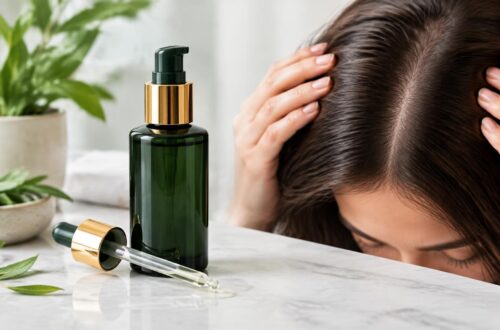
The product is a scalp-focused cosmetic serum designed to support the appearance of thicker, denser and fuller-looking hair. The supplied product listings identify a 60ml bottle, with a US price of $24 and a Cult Beauty price of €25.19. Prices can vary by location, retailer and promotion.
Its appeal comes partly from combining several branded ingredient complexes with recognisable ingredients such as caffeine and peptides. Rather than relying on one headline component, the formula brings together multiple ingredients associated with hair and scalp care.
However, a busy ingredient list does not automatically establish that the finished serum produces measurable hair regrowth. To evaluate it fairly, ingredient identity, customer experience and finished-product evidence need to remain separate.
What Is Inside the Formula?
The product information highlights Procapil, Capixyl, Redensyl, AnaGain and Baicapil, alongside caffeine. These names can make the formula sound difficult to decode, but they are primarily commercial names for ingredient complexes rather than the names you will necessarily see printed on an ingredient label.
The Genuine Peptides: Biotinoyl Tripeptide-1 and Acetyl Tetrapeptide-3
The word multi-peptide is not simply decorative branding here. The formula includes biotinoyl tripeptide-1, associated with Procapil, and acetyl tetrapeptide-3, associated with Capixyl.
These are identifiable peptide ingredients. Their presence explains the product name, but it does not, by itself, demonstrate how much difference the complete serum will make to an individual person.
A useful way to read the label is to separate two questions: does the formula contain peptides, and has the finished product been shown to deliver a particular result? The ingredient list answers the first. It cannot answer the second on its own.
Redensyl, AnaGain and Baicapil
Redensyl, AnaGain and Baicapil are additional branded complexes highlighted in the product information. AnaGain is associated with pea sprout ingredients.
When checking the packaging, remember that trade names may appear through their individual INCI ingredient names. INCI is the standard naming system used for cosmetic ingredients. You should not expect every marketing name to appear word for word in the full list.
Equally, the number of branded complexes is not a reliable measure of effectiveness. Several ingredients in one bottle may make the formula interesting, but counting them is not a substitute for evaluating evidence about the finished product.
Caffeine
Caffeine is another recognisable ingredient in the serum. Its inclusion helps explain why the product appears in searches for caffeine scalp treatments as well as peptide hair serums.
Still, the presence of caffeine does not establish a specific outcome. Claims about an ingredient should not automatically become claims about this particular formula, especially without published finished-product results showing the size and consistency of any effect.
What Does the Brand Actually Claim?
The most important wording is appearance. The Ordinary positions this serum around hair looking thicker, denser and fuller. That is narrower than claiming to reverse hair loss, restore a receding hairline or treat a diagnosed condition.
It is easy to overlook that distinction when browsing before-and-after photographs or reading reviews. Fuller-looking hair and demonstrated new growth are not interchangeable outcomes.
- A cosmetic claim concerns how hair looks.
- A regrowth claim requires evidence that directly supports new growth.
- A treatment claim goes beyond the appearance-focused positioning described for this product.
Understanding those boundaries is not dismissing the serum. It simply means judging it against the promise the brand makes, rather than a stronger promise readers might infer.
What the Brand Does Not Publish
One limitation deserves particular attention. In the supplied reference information, the brand publishes no numerical testing results or sample sizes, and its Testing Shows section is empty.
That leaves readers without publicly presented figures showing the magnitude of a finished-product effect. There is no supplied participant count to assess, nor a published numerical result to place alongside customer impressions.
This does not prove that the serum has never been assessed. It also does not prove that the ingredients have no research behind them. The narrower, supportable conclusion is that the referenced product page does not provide those finished-product testing details.
Consequently, precise promises about how much denser hair will become, how quickly results will appear or what proportion of users will benefit would go beyond the supplied evidence.
The Ordinary Hair Density Serum Reviews: What Does the Rating Tell Us?
The supplied Cult Beauty snapshot, checked on 19 October 2026, lists a rating of 4.16 out of 5 from 337 reviews. That is a broadly positive customer score, although retailer ratings and review totals can change.
It is useful evidence of customer sentiment, not a clinical measurement of increased hair density. A star rating can reflect perceived results, price, packaging, texture or the overall shopping experience.
How to Read Individual Reviews Critically
Look for a clear explanation of what the reviewer means by results. Does the review describe fuller-looking hair, an easier styling experience or an impression of new growth? Those observations should not be treated as equivalent.
Context also matters. Other changes in a hair-care routine can make it difficult to attribute an observation to one serum. Photographs can add information, but differences in lighting, styling, camera angle and parting can affect comparisons.
The supplied references do not include a verified breakdown of recurring review themes. It would therefore be misleading to invent a consensus about texture, scalp comfort or the speed of results from the aggregate rating alone.
Can It Be Compared With Minoxidil?
Shoppers often compare cosmetic density serums with minoxidil, but the supplied sources provide no head-to-head evidence establishing how this serum performs against it.
That means claims that The Ordinary serum works equally well, works better or serves as an equivalent replacement are unsupported by these references. Shared discussion of hair density does not make two products interchangeable.
A fair review should preserve that evidence gap rather than fill it with assumptions based on ingredient names, testimonials or price.
Is It Good Value?
At the supplied US price of $24 for 60ml, the serum offers several highlighted complexes in one cosmetic product. Whether that represents good value depends on what you expect to purchase.
If the expectation is an appearance-focused scalp serum with identifiable peptides, the formula and positioning are clear. If the expectation is a treatment backed by published, quantified regrowth results for the finished product, the supplied evidence does not meet that standard.
Final Verdict
The Ordinary Multi-Peptide Serum for Hair Density has a substantive ingredient story: genuine peptides, caffeine and several branded complexes. Its supplied Cult Beauty rating is positive, and its pricing makes it accessible to shoppers considering cosmetic scalp care.
The limitation is equally important: an interesting formula and favourable reviews are not the same as published proof of hair regrowth. Read it as an appearance-focused serum, recognise the missing testing details, and avoid turning the brand’s restrained cosmetic claims into stronger promises.
Sources: The Ordinary product information and Cult Beauty product listing and reviews.