Understanding Melanotan-2 and Its Tanning Claims
For people who want a deeper tan without spending long hours in the sun, Melanotan-2 may appear to offer an appealing shortcut. It is a synthetic peptide that has been associated with increased melanin production, the pigment responsible for skin, hair and eye colour. Products marketed online often claim that Melanotan-2 can help create a faster, darker tan while reducing the need for ultraviolet exposure.
However, Melanotan-2 is not an approved tanning treatment, cosmetic product or medicine in many countries. It is commonly sold through unregulated websites, and the contents, strength and purity of products may be uncertain. Before considering it for tanning purposes, it is important to understand what it is, what the evidence shows and why health authorities warn against its use.
What Is Melanotan-2?
Melanotan-2 is a laboratory-made compound designed to act similarly to certain hormones involved in skin pigmentation. It is related to melanocyte-stimulating hormones, which can encourage pigment-producing cells to make more melanin.
Melanin can help absorb some ultraviolet radiation, which is why people with more melanin may tan more easily or burn less quickly than those with lighter skin. However, an increase in pigmentation does not make the skin immune to sun damage. A darker tan is not the same as effective sun protection.
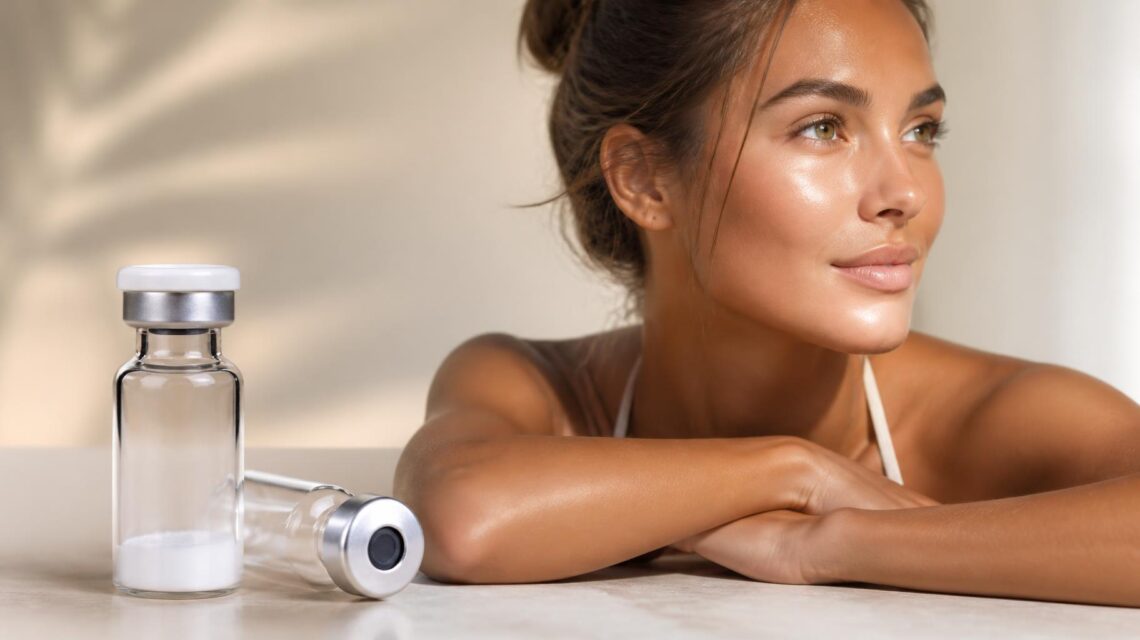
Melanotan-2 is typically promoted online as a powder, nasal spray or injectable product. These products may be described as research chemicals, tanning peptides or cosmetic enhancers. Such descriptions do not mean that the products have been evaluated for safety, quality or effectiveness by a medicines regulator.
Does Melanotan-2 Work for Tanning?
Early research into compounds related to Melanotan-2 suggested that they may stimulate melanin production and lead to skin darkening. Some users report developing a tan more quickly or noticing increased pigmentation after using the compound.
Even so, the available evidence does not provide a reliable basis for using Melanotan-2 as a personal tanning treatment. Research has been limited, and online products may not match the substances or dosages used in scientific studies. The way a product is manufactured, stored and administered can also affect its safety.
It is also important to separate pigmentation from healthy tanning. Melanotan-2 may darken the skin, but it does not necessarily prevent DNA damage caused by ultraviolet radiation. Using it alongside sunbathing or tanning beds could create a false sense of security and encourage greater exposure to harmful ultraviolet rays.
Potential Side Effects of Melanotan-2
Because Melanotan-2 is not widely approved or regulated as a tanning product, its complete safety profile is not established. Reported side effects and concerns include:
- Nausea, vomiting or reduced appetite
- Headaches, dizziness or tiredness
- Facial flushing and changes in blood pressure
- Increased sexual arousal or spontaneous erections
- Darkening or appearance of freckles, moles and other pigmented marks
- Skin irritation or reactions at injection sites
- Changes in the appearance of existing moles
- Potential contamination or infection from non-sterile products and needles
One of the most concerning issues is the possible effect on moles and other pigmented lesions. If a mole changes after using a pigment-stimulating product, it may be difficult to determine whether the change is harmless or requires medical investigation. Any new, changing, itching, bleeding or unusual mole should be assessed by a qualified healthcare professional.
Online products may also contain incorrect concentrations, undisclosed ingredients or contaminants. Injectable versions can carry additional risks, including skin infections, abscesses and blood-borne infections if equipment is reused or contaminated.
Is Melanotan-2 Legal and Regulated?
The legal status of Melanotan-2 varies by location, but it is not approved for tanning by major medicines regulators in many regions. It may be illegal to sell it as a human tanning product, and online sellers may operate outside normal consumer protection and pharmaceutical standards.
A product being available for purchase does not prove that it is legal, safe or effective. Websites may use phrases such as laboratory grade, pharmaceutical quality or not for human use. These terms do not guarantee that the product has been tested for human use or manufactured under appropriate medical standards.
Buying from an online source can make it difficult to know:
- Whether the product contains Melanotan-2 at all
- How much active substance is present
- Whether it has been contaminated during manufacturing
- How it should be stored or handled
- Whether the seller provides accurate safety information
Melanotan-2 and Sun Exposure
Melanotan-2 should not be viewed as an alternative to sunscreen or a way to make tanning beds safer. Ultraviolet radiation can damage skin cells even when the skin appears tanned. Repeated exposure contributes to premature skin ageing, sunspots, uneven pigmentation and skin cancer.
A tan caused by ultraviolet exposure is a sign that the skin has responded to damage. Although melanin offers a limited degree of natural protection, it does not replace broad-spectrum sunscreen, protective clothing or shade.
For safer outdoor habits, consider the following:
- Use a broad-spectrum, water-resistant sunscreen with an appropriate sun protection factor
- Apply enough sunscreen and reapply it as directed, especially after swimming or sweating
- Seek shade during the strongest sunlight hours
- Wear protective clothing, a wide-brimmed hat and sunglasses
- Avoid intentional tanning and indoor tanning beds
- Check your skin regularly for new or changing marks
Safer Ways to Achieve a Tanned Appearance
If your goal is cosmetic rather than medical, topical self-tanning products are generally a more suitable option than unapproved tanning peptides. Lotions, mousses, creams and sprays containing dihydroxyacetone can temporarily darken the outermost layer of the skin without requiring ultraviolet exposure.
Self-tanning products do not provide reliable sun protection unless they specifically contain sunscreen. Even when a product creates a bronze appearance, you still need normal sun protection outdoors.
Tips for Using Self-Tanner More Evenly
- Exfoliate gently before application, paying attention to dry areas such as elbows, knees and ankles
- Apply the product to clean, dry skin
- Use a tanning mitt or wash your hands thoroughly after application
- Blend carefully around the wrists, ankles, hairline and eyebrows
- Allow the product to develop according to the label instructions
- Patch test new products if you have sensitive skin or a history of reactions
Professional spray tanning can also provide a temporary bronzed look. It is still sensible to ask about ingredients, ventilation and hygiene standards, and to protect the eyes, lips and airways during application.
Who Should Be Especially Cautious?
Anyone with a history of skin cancer, numerous moles, atypical moles or unexplained skin changes should avoid experimenting with unapproved pigment-stimulating products. People who are pregnant, breastfeeding, taking prescription medication or managing a chronic health condition should discuss any proposed supplement, peptide or cosmetic treatment with a healthcare professional.
People who feel pressured to become tanned or who regularly use tanning beds may also benefit from speaking with a doctor or skin specialist. A healthcare professional can recommend safer cosmetic options and explain how to monitor skin changes.
When to Seek Medical Advice
Seek medical advice if you develop severe or persistent symptoms after using Melanotan-2 or any unregulated tanning product. Urgent assessment may be needed for difficulty breathing, swelling, severe vomiting, chest pain, fainting, signs of infection or a prolonged painful erection.
You should also arrange a skin examination if a mole becomes larger, darker, asymmetrical, itchy, painful or starts bleeding. The ABCDE approach can be useful when checking moles: asymmetry, border irregularity, colour variation, diameter and evolution over time. A healthcare professional should assess any concerning mark rather than relying on photographs or online advice.
Final Thoughts on Melanotan-2 for Tanning
Melanotan-2 may stimulate pigmentation, but that does not make it a safe or dependable tanning solution. It is not an approved substitute for sunscreen, and unregulated products may carry risks related to side effects, contamination, inaccurate dosing and changes in moles.
For a temporary bronzed appearance, topical self-tanners and professional spray tans are generally more appropriate choices because they do not require deliberate ultraviolet exposure. Whatever method you choose, remember that a tan does not equal protection. Protecting your skin, avoiding tanning beds and monitoring changes in moles remain central to long-term skin health.
If you are considering Melanotan-2, speak with a qualified healthcare professional first. Personal medical advice is especially important if you have existing skin concerns, take medication or are thinking about using an injectable or nasal product purchased online.