Melanotan-1 is a synthetic compound designed to mimic the action of alpha-melanocyte-stimulating hormone, a natural hormone involved in skin pigmentation. It has attracted attention online as a possible tanning aid because it may encourage the skin to produce more melanin, the pigment responsible for skin, hair and eye colour.
However, interest in melanotan-1 should be balanced with important safety information. Products marketed for tanning may not be approved, tested or manufactured to reliable medical standards. The term “Melanotan-1” is also sometimes used loosely online to describe different products, including research chemicals and medicines with related properties. Understanding what is known, what remains uncertain and which risks may be involved is essential before considering this compound.
What Is Melanotan-1?
Melanotan-1 is a synthetic analogue of melanocyte-stimulating hormone. It was developed to encourage melanin production in the skin. Melanin helps absorb some ultraviolet radiation, which is why increased pigmentation can make the skin appear darker.
A related medicine called afamelanotide has been developed for specific medical purposes. In some countries, afamelanotide is approved for adults with erythropoietic protoporphyria, a rare condition that can cause severe sensitivity to light. Its use in that setting is carefully controlled and does not mean that all melanotan-1 products sold online are safe, approved or equivalent.
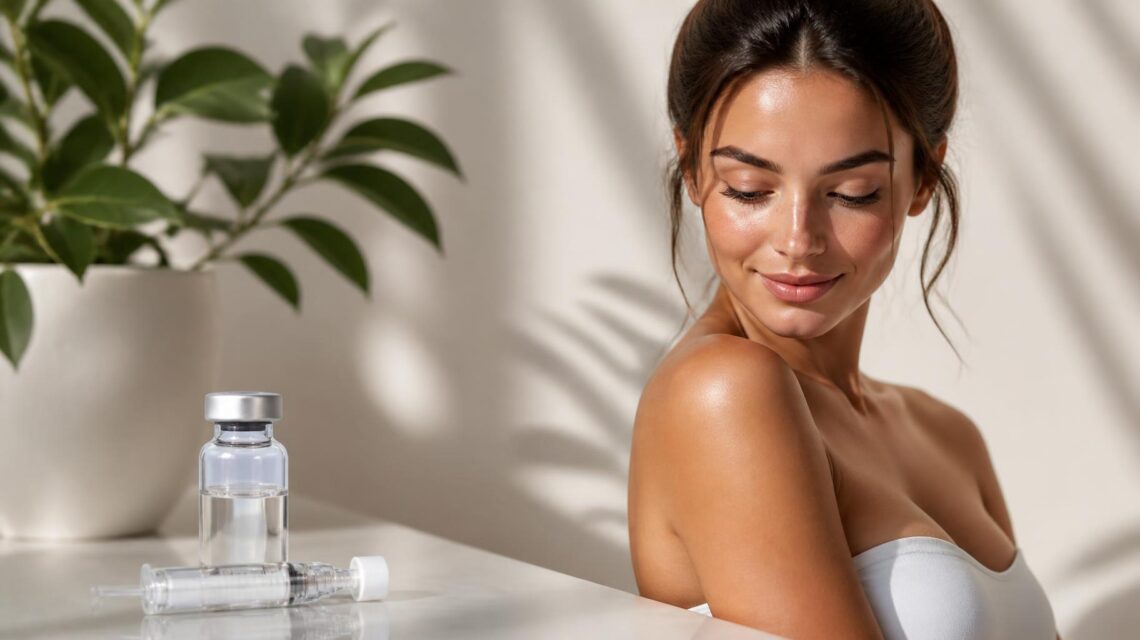
Unregulated products may be supplied as injections, nasal sprays or other formulations. Their concentration, ingredients, sterility and storage conditions can vary considerably. A product labelled as melanotan-1 may not contain the stated amount of the compound, and some products may contain contaminants or undisclosed ingredients.
Why Do People Consider Melanotan-1 for Tanning?
The main reason people search for melanotan-1 is the possibility of developing a darker skin tone without relying entirely on tanning beds or prolonged sun exposure. The compound is thought to stimulate melanocytes, the cells that produce melanin, potentially leading to increased pigmentation over time.
People may also be attracted to claims that melanotan-1 can help create a tan with less ultraviolet exposure. Some online sellers promote it as a way to achieve a more even or longer-lasting tan, while others make broader claims about appetite, sexual function or weight control. Many of these claims are not supported by high-quality evidence and should be treated cautiously.
It is important to understand that darker skin after using a tanning peptide does not necessarily indicate that the skin is protected from ultraviolet damage. A tan is a biological response to exposure or stimulation and should not be confused with adequate sun protection.
Potential Benefits: What Does the Evidence Suggest?
Research into melanotan-related compounds has explored their effects on pigmentation and light sensitivity. The most relevant potential benefit is increased melanin production, which may result in a darker appearance. In controlled medical research, related compounds have also been investigated for their ability to reduce symptoms in certain light-sensitive conditions.
However, evidence for using melanotan-1 specifically as a cosmetic tanning product is limited. Online testimonials are not the same as clinical trials, and individual experiences cannot establish that a product is effective or safe for general use.
Potentially reported benefits include:
- Increased skin pigmentation or a darker-looking tan
- Reduced reliance on intentional sunbathing in some users
- Possible effects on light sensitivity in carefully researched medical settings
These possible benefits must be weighed against the lack of quality control surrounding many cosmetic products. Even if the active compound can stimulate pigment production, the risks may be greater when the product is obtained from an unverified online source or used without medical supervision.
Is Melanotan-1 Safe for Cosmetic Tanning?
The safety of melanotan-1 for cosmetic tanning has not been established. In many regions, products marketed specifically for tanning are not authorised medicines. They may not have undergone the clinical testing required to confirm their purity, correct dosage or long-term effects.
Injectable products present additional risks. If a product is not sterile, it can cause bacterial contamination, abscesses or serious infections. Sharing needles or using poor injection technique can also transmit blood-borne infections. Nasal products are not risk-free either, particularly when the source and ingredients are uncertain.
Possible side effects reported with melanotan-related products may include:
- Nausea, vomiting or reduced appetite
- Headache, dizziness or fatigue
- Facial flushing or changes in blood pressure
- Darkening of freckles, moles or other pigmented areas
- Skin irritation or unusual pigmentation
- Changes in sexual function or spontaneous erections
- Injection-site pain, swelling or infection
Some effects may be temporary, but not all potential long-term consequences are known. Any rapid or unusual change in a mole or pigmented lesion should be assessed by a healthcare professional. Melanotan products may darken existing moles, making changes more difficult to notice, and this is one reason dermatologists advise caution.
Melanotan-1 and Skin Cancer Concerns
There is no reliable evidence that melanotan-1 prevents skin cancer. Even if it increases melanin levels, it does not replace sunscreen, protective clothing or shade. Ultraviolet radiation can damage skin cells, contribute to premature ageing and increase the risk of skin cancers, including melanoma.
The relationship between melanotan-related compounds and skin cancer remains an area of concern and ongoing investigation. Darkening of moles and freckles can make it harder for people to monitor them accurately. Anyone using a tanning peptide who notices a new, changing, bleeding, itching or irregular mole should seek prompt medical advice.
People with a personal or family history of melanoma, numerous atypical moles or significant sun damage should be especially cautious. A dermatologist can provide individual guidance and perform a skin examination when appropriate.
Melanotan-1 Versus Approved Afamelanotide Treatment
Melanotan-1 and afamelanotide are related, but they should not automatically be treated as interchangeable. Afamelanotide is a regulated medicine in certain countries for a specific medical condition. It is administered under specialist supervision and is not generally authorised as a cosmetic tanning treatment.
By contrast, products sold online as melanotan-1 may be labelled for research use only, supplied without a prescription or promoted with unsupported promises. The manufacturing standards, dose accuracy and safety monitoring may be very different from those associated with an approved medicine.
Consumers should not assume that a product is safe because it uses a medical-sounding name or has positive reviews. An online seller cannot replace the quality controls and monitoring required for a licensed treatment.
Does Melanotan-1 Reduce the Need for Sunscreen?
No. Melanotan-1 should not be used as a substitute for sunscreen or other sun-protection measures. Increased pigmentation offers, at most, limited natural protection and does not block all forms of ultraviolet radiation. It also does not prevent cumulative damage caused by repeated exposure.
For safer sun protection, use a broad-spectrum sunscreen with an appropriate sun protection factor, apply enough product and reapply as directed. Wear protective clothing, sunglasses and a wide-brimmed hat, and seek shade during the strongest sunlight. Avoid tanning beds, which expose the skin to concentrated ultraviolet radiation and are associated with increased skin cancer risk.
Safer Ways to Achieve a Tanned Appearance
People who want a cosmetic tan have options that do not involve unapproved injections or research chemicals. Topical self-tanning products commonly contain dihydroxyacetone, which temporarily darkens the outermost layer of the skin. These products do not provide dependable protection from ultraviolet radiation, so sunscreen is still necessary.
For a more even result:
- Exfoliate gently before applying a self-tanner
- Follow the product instructions and wash your hands after application
- Use less product around the elbows, knees, ankles and knuckles
- Patch-test new products if you have sensitive skin
- Do not inhale spray-tan mist or apply products near the eyes or lips
A professional spray tan may also be an option, although appropriate ventilation and safe application practices remain important.
Questions to Discuss With a Healthcare Professional
Anyone considering melanotan-1 should speak with a doctor or dermatologist before using it. A healthcare professional can review medical history, medications, skin type and personal risk factors. This is particularly important for people who are pregnant or breastfeeding, have heart or blood pressure problems, take medicines that affect pigmentation or blood pressure, or have a history of skin cancer.
Ask about any new or changing moles before starting a tanning product. If a product has already been used, disclose the source, formulation and approximate amount to a healthcare professional. Seek urgent medical help for severe allergic symptoms, chest pain, difficulty breathing, serious infection or a prolonged painful erection.
The Bottom Line on Melanotan-1 for Tanning
Melanotan-1 may stimulate melanin production, which explains its popularity as a tanning aid. Nevertheless, potential cosmetic benefits do not establish that unapproved products are safe. Product quality can be uncertain, side effects may occur and the long-term impact on moles, pigmentation and overall health is not fully understood.
Melanotan-1 does not eliminate ultraviolet damage and should never replace sunscreen or responsible sun protection. For a cosmetic tan, topical self-tanning products are generally a more established alternative. Before using any melanotan-related product, seek advice from a qualified healthcare professional and be particularly wary of online sellers making guaranteed or exaggerated claims.