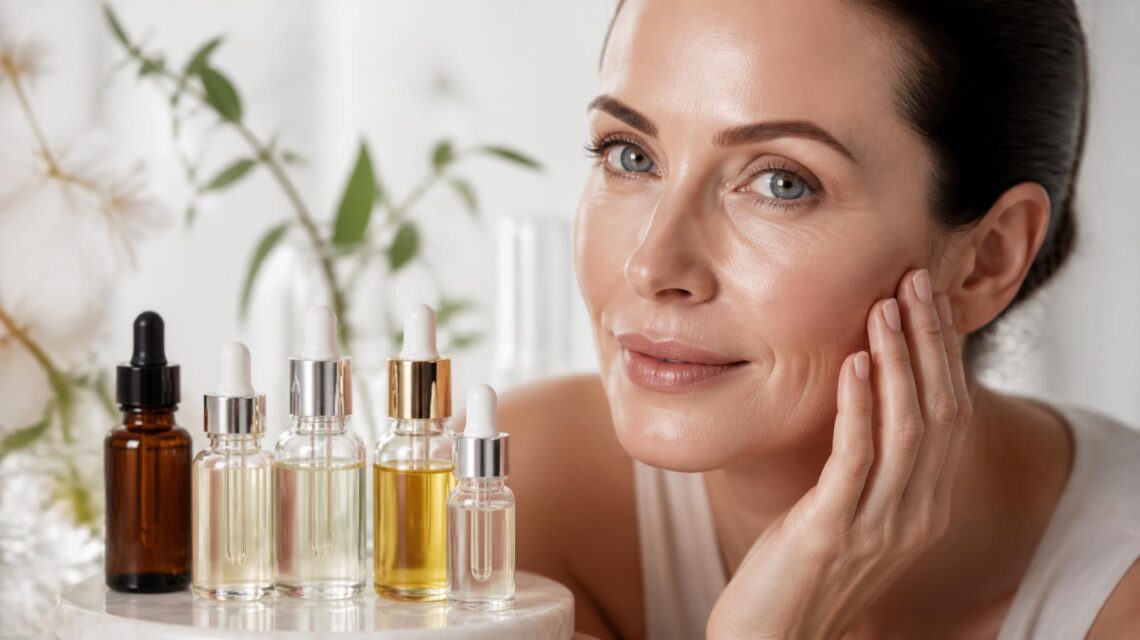
Finding an anti-aging serum that actually delivers visible results can feel overwhelming. With so many promises on labels, it helps to understand which ingredients are backed by research and how to choose a formula that matches your skin’s needs. The best anti-aging serums do more than hydrate. They target concerns like fine lines, dullness, uneven texture, loss of firmness, dark spots, and dehydration with concentrated active ingredients designed to support healthier-looking skin over time.
If you are searching for the best anti-aging serums proven to work, this guide breaks down what makes a serum effective, which ingredients deserve a place in your routine, and the standout options that can help improve the appearance of aging skin.
What Makes an Anti-Aging Serum Effective?
Anti-aging serums are lightweight, fast-absorbing treatments formulated with potent actives. Unlike heavier creams, serums are designed to deliver targeted ingredients deeper into the skin’s surface. A well-formulated serum can help reduce the appearance of wrinkles, improve radiance, strengthen the skin barrier, and support collagen production.
The most effective formulas usually focus on one or more of the following goals:
- Smoothing the look of fine lines and wrinkles
- Boosting hydration and plumping the skin
- Brightening dark spots and uneven tone
- Improving elasticity and firmness
- Protecting skin from environmental stressors
- Encouraging gentle skin renewal
Key Ingredients to Look for in the Best Anti-Aging Serums
Before choosing a product, it is worth learning which ingredients have the strongest reputation for delivering results. The best anti-aging serums often combine several of these for a more complete approach.
1. Retinol and Retinoids
Retinol is one of the most respected anti-aging ingredients in skincare. It helps speed up cell turnover, smooth texture, reduce the look of fine lines, and improve overall skin tone. It can be especially effective for mature, sun-damaged, or uneven skin, though beginners should start slowly to avoid irritation.
2. Vitamin C
Vitamin C serums are known for brightening dull skin and helping fade the appearance of hyperpigmentation. They also offer antioxidant protection against environmental aggressors such as pollution and UV exposure. A good vitamin C serum can make the complexion look more luminous and even.
3. Hyaluronic Acid
Hyaluronic acid is a hydration hero. It attracts and holds water, helping the skin appear plumper, smoother, and more supple. This ingredient is ideal for anyone experiencing dryness, dehydration, or fine lines that look more pronounced due to a lack of moisture.
4. Peptides
Peptides are amino acid chains that help support the skin’s structure. In serums, they are often used to improve the look of firmness and elasticity. Peptide-based anti-aging treatments are a smart choice for those wanting a gentler alternative to stronger resurfacing ingredients.
5. Niacinamide
Niacinamide, a form of vitamin B3, is valued for its versatility. It helps refine the appearance of pores, improve uneven tone, reduce dullness, and strengthen the skin barrier. It also pairs well with many other anti-aging ingredients.
6. Alpha Hydroxy Acids and Lactic Acid
Exfoliating ingredients like glycolic acid and lactic acid help remove dull surface cells, making the skin appear brighter and smoother. These acids can improve texture and soften the appearance of fine lines with regular use.
14 Best Anti-Aging Serums Proven to Work
While the ideal serum depends on your skin type and concerns, these categories represent the top-performing types of formulas consumers and skincare experts consistently reach for.
1. Retinol Renewal Serums
These are often considered the gold standard for addressing visible aging. A quality retinol serum may help soften crow’s feet, forehead lines, and rough texture while improving tone over time.
2. Vitamin C Brightening Serums
Ideal for dull or sun-damaged skin, vitamin C serums target uneven pigmentation and support a healthier glow. They are especially effective when used in the morning under sunscreen.
3. Hyaluronic Acid Hydration Serums
For dry or mature skin, deeply hydrating serums can make a dramatic difference in how smooth and plump the skin looks. These formulas are often suitable for nearly all skin types.
4. Peptide Firming Serums
If your main concern is sagging or loss of elasticity, peptide serums can help support a firmer, more resilient-looking complexion with consistent use.
5. Niacinamide Smoothing Serums
Serums featuring niacinamide are excellent multitaskers. They help with redness, enlarged pores, uneven texture, and early visible signs of aging, making them a solid everyday option.
6. Antioxidant Defense Serums
These formulas blend antioxidants such as vitamin C, vitamin E, ferulic acid, and botanical extracts to defend against free radical damage and support long-term skin health.
7. Growth Factor and Advanced Repair Serums
Advanced anti-aging formulas may include growth factors or skin-repair technologies aimed at improving texture, firmness, and the overall appearance of aging skin.
8. Lactic Acid Refining Serums
Gentler than some exfoliating acids, lactic acid serums can help brighten and smooth the skin without being overly harsh, making them useful for those with sensitive or dry skin.
9. Multi-Active Anti-Aging Serums
Some of the best anti-aging serums combine retinol, peptides, antioxidants, and hydration boosters in one formula. These all-in-one options simplify routines while addressing multiple concerns.
10. Barrier-Strengthening Serums
Aging skin often becomes more fragile or reactive. Serums with ceramides, niacinamide, and soothing ingredients can strengthen the moisture barrier and improve resilience.
11. Overnight Resurfacing Serums
These nighttime formulas use exfoliating acids, retinoids, or both to support skin renewal while you sleep. They can help reveal a smoother, fresher-looking complexion by morning.
12. Dark Spot Correcting Serums
For those dealing with sun spots or post-inflammatory marks, targeted brightening serums with vitamin C, niacinamide, tranexamic acid, or licorice root can be especially useful.
13. Sensitive Skin Anti-Aging Serums
Not everyone can tolerate strong actives. Gentle anti-aging formulas with bakuchiol, peptides, and calming extracts offer a softer approach while still supporting smoother-looking skin.
14. Luxury Clinical-Style Serums
Premium anti-aging serums often feature sophisticated delivery systems and higher-end ingredient blends. While not always necessary, some people prefer these formulas for texture, layering, and overall user experience.
How to Choose the Right Anti-Aging Serum for Your Skin Type
The most effective serum is one you will use consistently and one that suits your skin rather than overwhelming it.
For Dry Skin
Look for formulas with hyaluronic acid, glycerin, ceramides, and peptides. Avoid overusing harsh exfoliating acids if your skin already feels tight or flaky.
For Oily or Combination Skin
Lightweight serums with niacinamide, vitamin C, or gentle retinol can help improve tone and texture without feeling greasy.
For Sensitive Skin
Choose soothing formulas with fewer actives at first. Bakuchiol, peptides, niacinamide, and barrier-supportive ingredients are often a better entry point than strong retinoids or acids.