Luxury skincare has long been associated with high price tags, prestige branding, and the promise of transformative results. For years, premium eye creams have held a near-mythical place in beauty routines, with shoppers willing to spend hundreds in hopes of smoother, brighter, more youthful-looking skin. But a growing number of consumers are rethinking that approach. Instead of assuming expensive means better, they are searching for affordable formulas that actually deliver. That shift in mindset is exactly why so many shoppers are now talking about a $6 eye cream that some prefer over La Mer.
In the beauty world, La Mer has become almost synonymous with luxury. Its products are known for indulgent textures, elegant packaging, and a devoted following. Yet budget-conscious shoppers and skincare lovers alike are discovering that a low-cost eye cream can still offer hydration, comfort, and visible benefits without the premium markup. As more consumers prioritize value, ingredient transparency, and real-world performance, affordable skincare is having a major moment.
Why Affordable Eye Creams Are Winning Over Shoppers
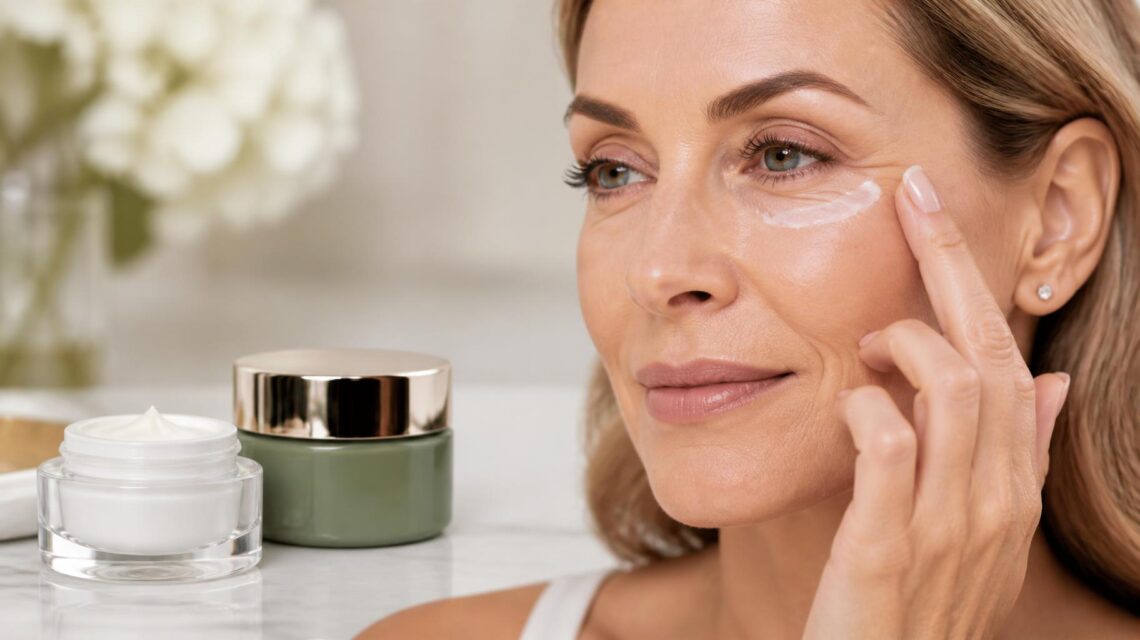
Eye creams occupy a unique spot in skincare. The skin around the eyes is thinner and often one of the first places to show dryness, puffiness, and fine lines. Because of this, many people believe they need a specialized and expensive product. However, skincare shoppers are becoming more educated about formulas and are learning that cost does not always reflect effectiveness.
The popularity of a $6 eye cream over a luxury favorite suggests a broader consumer trend. People are no longer buying products solely because they carry a famous name. Instead, they are paying attention to how their skin feels, whether the product layers well under makeup, and if it addresses everyday concerns like dehydration and tired-looking eyes.
There are several reasons this budget-friendly option is resonating with buyers:
- Affordability: At just $6, it is accessible to a much wider audience.
- Low-risk trial: Shoppers feel more comfortable experimenting when a product does not require a major investment.
- Practical performance: Many users care more about hydration and smooth application than luxury branding.
- Growing awareness: Consumers are more ingredient-savvy and often compare formulas rather than labels.
What Shoppers Want From an Eye Cream
To understand why an inexpensive option is generating so much attention, it helps to look at what people actually expect from an eye cream. Most shoppers are not looking for miracles. They want a product that makes the under-eye area feel nourished, look refreshed, and sit comfortably on the skin throughout the day.
Some of the most common eye-area concerns include:
- Dryness and dehydration
- Puffiness in the morning
- Fine lines caused by lack of moisture
- A tired or dull appearance
- Makeup settling into creases
An eye cream that addresses even a few of these issues can earn loyal fans quickly, especially if it does so at a fraction of the cost of prestige options. Many shoppers are perfectly happy with a formula that softens the skin, helps concealer glide on more smoothly, and leaves the eye area looking less fatigued.
The Appeal of a $6 Alternative to La Mer
Anytime a low-cost product is compared to a legendary luxury brand, interest spikes immediately. In this case, the conversation is not necessarily about claiming the two products are identical. Rather, it reflects the fact that users are seeing enough benefit from the affordable eye cream that they feel it competes with products many times the price.
This kind of comparison says a lot about current skincare culture. Beauty shoppers today are highly vocal and quick to share their opinions online. When a product overdelivers, word spreads through reviews, social media posts, and beauty forums. A budget product that performs beyond expectations can build momentum fast, especially when consumers are tired of inflated prices.
For many users, the appeal comes down to value. Why spend luxury-level money on an eye cream if a drugstore-priced option makes the skin feel soft, hydrated, and smooth? That question is driving more people to explore affordable beauty finds with fresh curiosity.
Luxury Versus Drugstore: The Real Difference
Luxury skincare often offers a premium sensory experience. Texture, scent, packaging, and branding all play a role in perceived value. There is no denying that these details can make a product feel special. But from a functional standpoint, shoppers are increasingly realizing that a simpler product can still do the job well.
A more affordable eye cream may not come in a heavy glass jar or carry the prestige of an iconic brand, but that does not mean it cannot be effective. In many cases, consumers are prioritizing the basics:
- Hydrating ingredients that help reduce dryness
- Lightweight textures that absorb easily
- Non-irritating formulas suitable for delicate skin
- Reliable everyday wear under sunscreen and makeup
When those needs are met, the gap between luxury and budget suddenly feels much smaller.
Ingredients Matter More Than Price
One of the biggest shifts in modern skincare is the consumer focus on ingredients. Instead of being swayed only by branding, shoppers are flipping over packaging and reading what is actually inside. A lower price does not automatically mean a formula is weak, just as a luxury price does not guarantee superior results.
Eye creams that perform well often include ingredients aimed at supporting moisture and comfort in the delicate under-eye area. Depending on the formula, shoppers may look for:
- Humectants like glycerin or hyaluronic acid to attract moisture
- Emollients that soften and smooth the skin
- Soothing ingredients to calm sensitivity
- Light-reflecting properties that make the area appear brighter
For many people, these straightforward skincare benefits are enough. They do not necessarily need an ultra-luxurious product if a simpler cream can help the eye area appear more nourished and rested.
Why Eye Cream Reviews Carry So Much Weight
Eye creams are among the most frequently reviewed skincare products because the under-eye area is a common source of frustration. People want to know if a cream pills under makeup, causes stinging, feels greasy, or genuinely improves how their skin looks. That is why shopper sentiment can be so influential.
When buyers consistently say they prefer a $6 eye cream over a prestige name, other consumers take notice. Strong reviews create trust, especially for budget products that might otherwise be overlooked. A shopper may be willing to purchase a luxury cream based on reputation, but an affordable cream often rises because of genuine, repeat customer enthusiasm.
Positive user feedback tends to focus on practical outcomes, such as:
- The skin feels softer after regular use
- The under-eye area looks less dry
- Concealer applies more evenly
- The formula feels comforting rather than heavy
- The price makes repurchasing easy
The Rise of Smart Beauty Spending
The growing popularity of inexpensive skincare alternatives reflects a broader movement toward smart beauty spending. Consumers still want products that feel good and deliver visible results, but they are becoming more selective about where they splurge. Rather than investing heavily in every step of a routine, many are mixing prestige and affordable products based on performance.
This approach makes a lot of sense. Someone may choose to spend more on a targeted serum while opting for a lower-cost cleanser or eye cream. The result is a balanced routine that feels intentional rather than driven by hype. In this environment, a standout $6 eye cream has an obvious advantage: it offers an easy win for shoppers who want results without overspending.
What This Means for the Beauty Industry
When consumers openly compare budget skincare to iconic luxury brands, the message to the beauty industry is clear. Brand heritage alone is no longer enough. Products must justify their price point through performance, formulation, and user satisfaction.
This puts pressure on prestige brands to continue innovating while also empowering drugstore and mass-market brands to improve quality. In the long run, that competition benefits consumers. Shoppers gain access to better products across all price levels, and brands must work harder to earn loyalty.
How to Choose the Right Eye Cream for Your Needs
If this conversation has inspired you to rethink your own eye cream, the best choice comes down to your skin concerns and preferences. Not everyone needs a luxury formula, and not every budget option will be right for every skin type. The key is to focus on function first.
When shopping for an eye cream, consider the following:
- Your main concern: dryness, puffiness, texture, or general tiredness
- Texture preference: