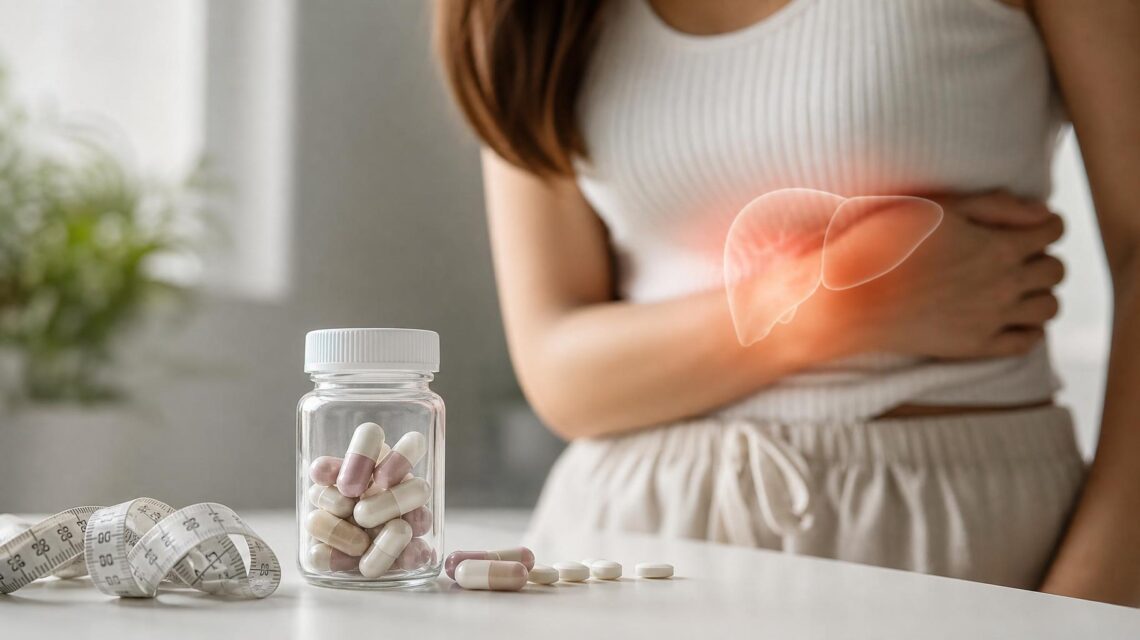
A Melbourne woman has reportedly suffered acute liver failure after using a suspected counterfeit weight loss medication, raising fresh concerns about the dangers of buying so-called ‘knock-off’ slimming drugs from unregulated sources. As demand for rapid weight loss treatments continues to rise, health experts are warning that fake or improperly compounded products can carry devastating consequences.
The case has drawn widespread attention because it highlights a growing public health issue: people seeking popular injectable weight loss drugs online, through informal sellers, or from sources that may not meet Australian safety standards. While legitimate prescription medications can play a role in obesity treatment under medical supervision, imitation products may contain unknown ingredients, incorrect dosages, or contaminants that put users at serious risk.
The Growing Demand for Weight Loss Drugs
Over the past few years, medications originally designed to help manage type 2 diabetes have surged in popularity for their weight loss effects. Social media, celebrity endorsements, and rising awareness of obesity treatment options have all contributed to intense demand.
However, supply shortages and high retail prices have created an opening for counterfeit and black-market alternatives. In many cases, consumers may believe they are purchasing a cheaper version of a trusted medication, when in reality they are exposing themselves to products with no verified safety profile.
This latest Melbourne case underscores just how dangerous that decision can be.
What Happened in the Melbourne Case?
Reports indicate that the woman developed liver failure after taking a suspected imitation weight loss drug. While the exact composition of the product may still be under investigation, the incident has reignited concerns among doctors, regulators, and pharmacists about the circulation of unauthorised medicines.
Liver failure is a severe and potentially life-threatening condition. The liver plays a critical role in filtering toxins, processing nutrients, and helping regulate metabolism. When liver function declines rapidly, the consequences can include:
- Nausea and vomiting
- Extreme fatigue
- Abdominal pain
- Jaundice, or yellowing of the skin and eyes
- Confusion or altered mental state
- Swelling and fluid retention
In serious cases, acute liver injury can require hospitalisation, intensive care, or even a liver transplant. This is why medical experts are urging the public not to assume that all weight loss injections are equivalent simply because they appear similar in packaging or branding.
Why Counterfeit Weight Loss Drugs Are So Dangerous
Counterfeit medications are especially risky because there is often no way for the buyer to know what is actually inside the vial, pen, tablet, or syringe. A fake drug may contain:
- The wrong active ingredient
- Too much or too little of the ingredient
- Industrial contaminants or bacteria
- Unsterile substances
- Ingredients not listed anywhere on the label
For injectable products, the danger may be even greater. Medication that has not been produced, stored, or transported correctly can become contaminated or unstable. This creates a risk not only of toxic side effects, but also of infection, allergic reaction, and organ damage.
The liver is particularly vulnerable because it processes many of the substances that enter the body. If a patient receives an unknown or impure compound, the liver may become overwhelmed trying to metabolise it.
Unregulated Sellers Increase the Risk
Many counterfeit or non-approved medications are sold through websites, social media accounts, messaging apps, beauty clinics, or informal networks. These channels may make the product look legitimate, especially when they use terms like ‘generic’, ‘compounded’, or ‘same active ingredient’. But unless the medication comes from a properly licensed pharmacy and is prescribed by a qualified healthcare professional, the risks can be substantial.
Consumers are often targeted with promises such as:
- Rapid weight loss without a prescription
- Cheaper alternatives to brand-name injections
- Limited stock or exclusive imports
- Convenient direct shipping
These tactics can create a false sense of urgency and trust, pushing people to buy before properly verifying the source.
Signs a Weight Loss Medication May Not Be Legitimate
It is not always easy to identify a counterfeit product, especially when packaging is designed to mimic a known brand. Still, there are some warning signs consumers should take seriously.
- No prescription is required
- The seller avoids naming a registered pharmacy or doctor
- The product is advertised mainly through social media or private chat
- The price is dramatically lower than normal market rates
- Packaging appears tampered with, inconsistent, or poorly labelled
- Storage instructions are unclear or ignored
- The product arrives without proper medical information or dosage guidance
If something feels off, it probably is. Medications that affect metabolism, blood sugar, digestion, and appetite should never be treated like cosmetic accessories or wellness supplements.
The Importance of Medical Supervision
Legitimate weight loss medication is not meant to be taken casually. These treatments require proper screening, prescription, dosage management, and follow-up. A healthcare professional will usually assess factors such as:
- Body mass index and metabolic health
- History of liver disease or pancreatitis
- Current medications and possible interactions
- Underlying health conditions
- Potential side effects and warning symptoms
That medical oversight is critical. Even approved drugs can carry side effects, and patients need to be monitored for adverse reactions. Using an unverified product without professional guidance removes every layer of safety that proper prescribing is supposed to provide.
Weight Loss Treatment Should Never Be DIY Medicine
The popularity of injectable slimming drugs has led some people to view them as quick lifestyle products rather than prescription medicines. But these drugs alter important processes in the body. Using them incorrectly, taking the wrong dose, or relying on a contaminated version can have serious medical consequences.
The reported Melbourne incident is a powerful reminder that self-prescribing or sourcing medicine through unofficial channels is not a shortcut. It can become a medical emergency.
Why Liver Injury Can Happen
Drug-induced liver injury occurs when a medication, toxin, or impurity damages liver cells. Sometimes the effect is dose-related, but in other cases it may happen unpredictably depending on the person, the substance involved, and the level of contamination.
Possible pathways to injury include:
- Direct toxicity from unknown ingredients
- Contamination during manufacturing or packaging
- Improper storage causing chemical breakdown
- Undisclosed additives or fillers
- Interactions with other medicines or supplements
Because counterfeit drugs are not subject to the same quality controls as approved medicines, the likelihood of one or more of these problems may be significantly higher.
What To Do If You Have Used a Suspect Weight Loss Drug
Anyone who has purchased a weight loss medication from a questionable source should seek medical advice promptly, especially if they are experiencing symptoms. Early assessment may help detect complications before they become severe.
You should act quickly if you notice:
- Persistent nausea or vomiting
- Severe abdominal pain
- Yellowing of the skin or eyes
- Dark urine
- Unusual tiredness or weakness
- Confusion or dizziness
Important steps include:
- Stop using the product unless a doctor advises otherwise
- Keep the packaging, receipt, and remaining medication
- Tell your doctor exactly where and how you obtained it
- Report the product to relevant health authorities
Trying to manage the situation alone or waiting for symptoms to pass can be dangerous if organ damage is developing.
A Broader Warning for Consumers
This Melbourne case is not just about one individual. It reflects a broader issue affecting consumers across Australia and globally. High-demand prescription medications often become targets for counterfeiting, particularly when shortages or media hype increase public interest.
For people struggling with weight, the appeal of a cheaper and more accessible option can be understandable. But the hidden cost of an unregulated product may be catastrophic. What looks like a bargain can turn into hospitalisation, long-term health damage, or worse.
Safe weight loss care should always include:
- A proper medical consultation
- A valid prescription