The rise of injectable peptide beauty treatments is drawing growing attention across social media, wellness clinics, and cosmetic circles. Promoted as a fast-track solution for weight loss, anti-aging, skin renewal, and body sculpting, these substances are often marketed as cutting-edge beauty tools. But medical experts are warning consumers to approach the trend with caution.
While peptide-based therapies do have legitimate medical uses in some settings, the increasing popularity of injectable peptides for aesthetic enhancement has created a gray area where hype is outpacing science. According to doctors, many people are being drawn in by influencer testimonials and aggressive advertising without fully understanding the potential risks, side effects, or lack of regulation tied to some of these treatments.
Why Injectable Peptides Are Trending in Beauty and Wellness
Peptides are short chains of amino acids that play a role in many biological functions. In skincare, topical peptides have long been used in creams and serums aimed at improving skin texture and reducing the appearance of fine lines. Injectable peptides, however, are a different category entirely.
These injections are often promoted as tools to:
- Stimulate collagen production
- Support fat loss
- Improve muscle tone
- Boost recovery and energy
- Enhance skin firmness and elasticity
- Reduce visible signs of aging
The appeal is easy to understand. Consumers are increasingly looking for minimally invasive cosmetic options that promise visible results without surgery. Injectable peptides are often presented as a scientific breakthrough, combining the language of medicine with the glamor of beauty marketing.
But experts say that just because a treatment sounds advanced does not automatically mean it is safe, effective, or appropriate for cosmetic use.
What Doctors Are Warning About
The core concern among medical professionals is that many injectable peptide treatments are being used in ways that are not well studied for beauty purposes. Some may be prescribed off-label, while others may be sourced through loosely regulated online sellers, anti-aging clinics, or wellness spas where oversight varies significantly.
Doctors warn that injectable peptides are not interchangeable with over-the-counter skincare ingredients. Once injected into the body, they can affect internal physiological processes in ways that may not be fully predictable from person to person.
Key medical concerns include:
- Insufficient long-term safety data
- Unclear dosing standards
- Potential contamination or quality issues
- Misleading claims about anti-aging or fat-burning benefits
- Risk of using products without proper medical supervision
In many cases, patients may assume that because a treatment is offered in a professional-looking clinic or discussed online by trusted creators, it has already passed rigorous evaluation. That is not always the case.
The Risks Linked to Injectable Peptide Beauty Treatments
Any injectable treatment carries some level of risk, but peptide injections can be especially concerning when consumers do not know exactly what they are receiving. Doctors note that side effects can range from mild irritation to more serious health complications depending on the product, dose, frequency, and the patient’s overall health status.
Possible Side Effects
- Redness, swelling, or pain at the injection site
- Nausea or digestive discomfort
- Headaches
- Hormonal disruption
- Allergic reactions
- Changes in blood sugar or metabolism
- Fluid retention or unwanted tissue effects
There is also the issue of treatment interactions. Someone taking medications for diabetes, thyroid conditions, fertility, or hormone-related disorders may face additional complications if they begin using peptides without consulting a licensed physician.
Another growing concern is self-injection. Online communities sometimes promote at-home peptide use as a cheaper alternative to in-clinic services. This can increase risks related to improper storage, incorrect dosing, unsterile injection practices, and counterfeit products.
Beauty Marketing vs Medical Reality
One reason injectable peptides have gained momentum is the way they are marketed. Terms such as age reversal, fat-melting injections, and cellular rejuvenation are powerful selling tools. They create the impression that these products offer dramatic transformations with little downside.
Doctors caution that the reality is often much more complicated. Beauty outcomes may be subtle, inconsistent, or unsupported by strong clinical research. In some cases, the visible changes people attribute to peptide injections may also be influenced by other treatments, diet changes, exercise, or placebo effect.
Medical experts emphasize an important distinction: a treatment being trendy does not mean it is evidence-based. The beauty and wellness industries are highly skilled at rebranding medical concepts into consumer products, often before the science has caught up with the claims.
Why Regulation Matters
Not all peptide products are subject to the same standards. Some may be compounded, some imported, and others sold through online vendors that provide little transparency about manufacturing or purity. This creates a major challenge for consumer safety.
Without strict quality control, there is a risk that products may:
- Contain inaccurate ingredient concentrations
- Include undisclosed substances
- Be improperly stored or transported
- Carry contamination that could cause infection or adverse reactions
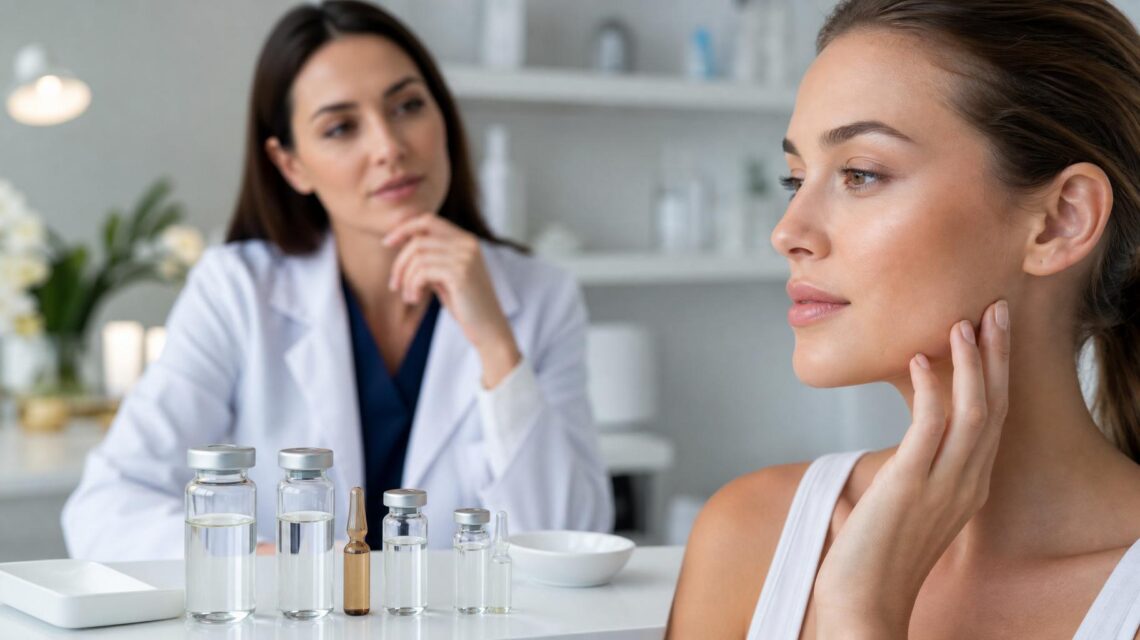
Doctors are especially concerned when consumers purchase injectable peptides from unverified websites or receive them from providers who do not conduct a full medical assessment beforehand. A proper evaluation should include medical history, current medications, treatment goals, and discussion of realistic expectations and risks.
Who Should Be Especially Careful
While anyone considering injectable peptide beauty treatments should proceed carefully, some people face a higher level of risk. These include individuals with underlying medical conditions, a history of hormonal imbalance, those who are pregnant or breastfeeding, and anyone already taking prescription medications that influence metabolism or endocrine function.
People who are drawn in by quick-fix beauty promises may also be more vulnerable to misleading claims. If a provider guarantees dramatic anti-aging effects, rapid fat loss, or total safety with no side effects, that should be considered a red flag.
Warning Signs to Watch For
- No clear explanation of what the peptide does
- No disclosure of risks or possible side effects
- No medical consultation before treatment
- No transparency about product source
- Claims that sound exaggerated or too good to be true
- Pressure to sign up for multiple injections or packages
Safer Alternatives for Skin and Beauty Goals
For many people, there may be better-tested options available for addressing common beauty concerns such as aging skin, dullness, or changes in body composition. Dermatologists and other qualified medical professionals often recommend evidence-based treatments with clearer safety profiles.
Depending on the individual goal, safer alternatives may include:
- Prescription skincare such as retinoids
- Broad-spectrum sunscreen for anti-aging prevention
- Topical peptides in professionally formulated skincare products
- Laser treatments or microneedling performed by qualified providers
- Clinically supervised weight management programs
- Nutrition, sleep, hydration, and exercise interventions
None of these options are magic solutions, but many are supported by stronger medical evidence than injectable peptide beauty trends currently offer in cosmetic settings.
Questions to Ask Before Considering Any Injectable Treatment
Consumers should never feel rushed into aesthetic procedures, especially injections that affect internal biological systems. Before moving forward, it is wise to ask detailed questions and seek a second opinion if needed.
Important Questions to Ask a Provider
- Is this treatment approved or commonly accepted for this specific cosmetic use?
- What clinical evidence supports the results being advertised?
- What are the short-term and long-term risks?
- Who manufactures the product?
- How is the product stored and handled?
- What happens if I have a reaction or side effect?
- Are there better-studied alternatives for my goal?
A trustworthy provider should be willing to answer these questions clearly and honestly. If the responses are vague, defensive, or sales-driven, that is a signal to walk away.
The Bottom Line on Injectable Peptide Beauty Trends
Injectable peptides may sound like the future of beauty, but doctors are reminding consumers that medical caution should come before cosmetic hype. The buzz surrounding these treatments is being fueled by social media, celebrity influence, and the constant demand for non-surgical enhancement. Yet the science, safety data, and oversight may not always support the claims being made.
That does not mean every peptide-related therapy is inherently harmful. It does mean that people should be skeptical of glamorous marketing, especially when the treatment involves