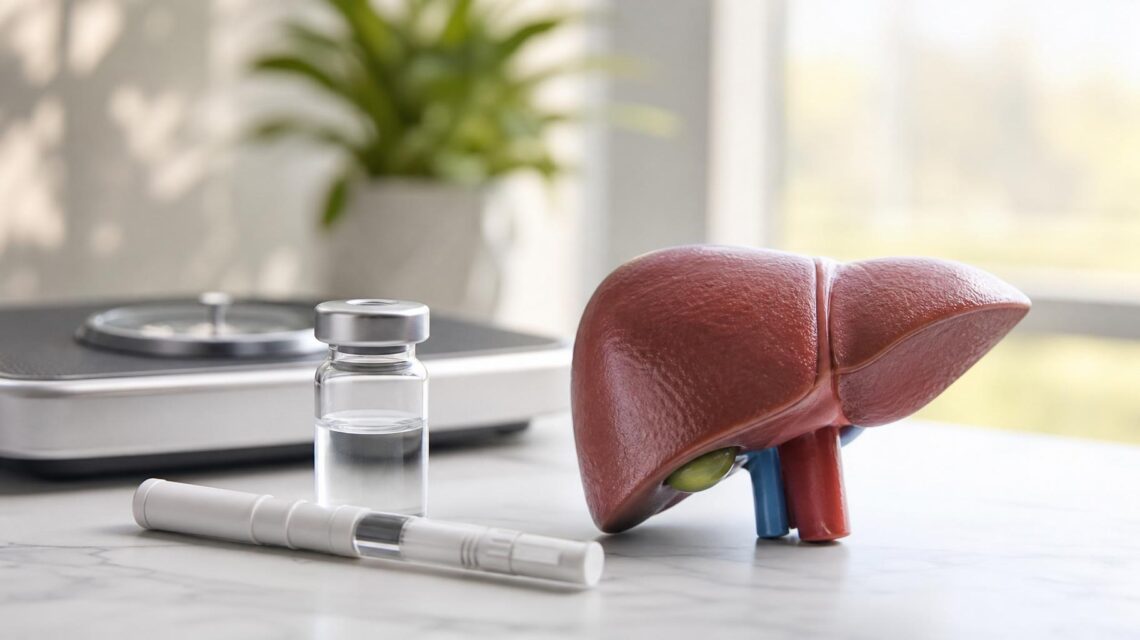
Health authorities in Victoria are urging the public to avoid an illegal weight loss peptide after reports linked the product to liver poisoning and other serious health risks. The warning highlights a growing problem in the online and underground market for rapid weight loss treatments, where unapproved substances are often promoted as quick fixes without proper medical oversight, quality controls, or evidence of safety.
As demand for weight loss solutions continues to rise, so does the circulation of black-market products marketed as peptides, fat-burning injections, or research compounds. While some may appear similar to legitimate prescription treatments, authorities say these substances can carry hidden dangers, including contamination, incorrect dosing, false labeling, and toxic side effects. The latest alert from Victoria serves as an important reminder that products purchased outside approved medical channels can result in severe harm.
Victoria Issues Warning Over Illegal Weight Loss Peptide
The public health warning centers on an unlawful peptide being sold for weight loss purposes. According to officials, the substance has been associated with cases of liver toxicity, prompting concern among regulators and medical professionals. Liver poisoning is a serious condition that can develop when a toxic substance damages liver cells, affecting the body’s ability to filter waste, process nutrients, and regulate essential functions.
Authorities are especially concerned because products promoted online as weight loss peptides are often sold without prescriptions, without approval from health regulators, and without clear ingredient verification. In many cases, consumers may not know exactly what they are injecting or ingesting. Even when packaging appears professional, unapproved products can contain unexpected compounds or dangerous levels of active ingredients.
The warning from Victoria reflects broader global concerns around the misuse of peptide-based drugs and the expansion of illicit wellness markets. Social media, unlicensed sellers, and some fringe health websites have made it easier for consumers to access substances that bypass standard safety checks.
What Is a Weight Loss Peptide?
Peptides are short chains of amino acids that can affect various processes in the body. In medical contexts, certain peptide-based drugs are used under strict regulation for hormone-related conditions, metabolic disorders, and other treatments. More recently, peptide-related products have gained attention in the weight loss market, especially with growing interest in injectable therapies that influence appetite and metabolism.
However, not all peptides marketed for slimming are legitimate or approved. Some are sold as experimental compounds, while others are falsely advertised as pharmaceutical-grade alternatives to prescription medications. This creates significant risks for consumers, especially when the products are obtained from:
- Unverified online sellers
- Social media marketplaces
- Underground distributors
- Gyms or beauty clinics operating outside regulatory standards
- Individuals reselling imported or compounded substances
Unlike approved medications prescribed by a qualified healthcare professional, illegal peptides may not be manufactured in sterile environments or tested for purity and consistency.
Why Liver Poisoning Is a Serious Concern
The liver is one of the body’s most important organs, responsible for detoxifying harmful substances, supporting digestion, producing proteins, and managing energy storage. When a toxic substance causes liver injury, the consequences can range from mild inflammation to life-threatening organ failure.
In the case of unapproved weight loss products, liver poisoning may happen because of the active ingredient itself, contaminants in the product, or dangerous interactions with other medications or supplements. This is particularly concerning with illegal peptides, as users often do not receive medical screening, dosage guidance, or follow-up monitoring.
Possible Symptoms of Liver Toxicity
People who have taken an unapproved weight loss product should seek urgent medical advice if they experience symptoms such as:
- Nausea or vomiting
- Persistent abdominal pain
- Extreme fatigue or weakness
- Loss of appetite
- Dark urine
- Yellowing of the skin or eyes, known as jaundice
- Itching
- Unexplained fever
These symptoms may not always appear immediately. Sometimes liver damage develops gradually, making it even more important for anyone who has used an illegal peptide to get assessed by a healthcare professional.
The Dangers of Buying Weight Loss Products Illegally
Many consumers are drawn to black-market weight loss products because they promise rapid results, require no prescription, or seem cheaper than approved treatments. But these short-term attractions often mask very real health and financial risks.
Common Risks Linked to Illegal Peptides
- Unknown ingredients that may not match the label
- Contamination from unsafe manufacturing conditions
- Improper dosing that can trigger overdose or toxic reactions
- Counterfeit packaging designed to imitate legitimate brands
- No clinical oversight before, during, or after use
- Drug interactions with existing medications
- Delayed treatment if users rely on ineffective or harmful products
Another concern is that many illegal weight loss products are promoted through testimonials rather than evidence. Before-and-after images, influencer endorsements, and anecdotal claims can create a false sense of legitimacy. In reality, a product may never have been properly tested for safety, efficacy, or quality.
How the Online Weight Loss Market Fuels the Problem
The rise of online wellness culture has transformed how consumers discover and purchase health products. Search engines, messaging apps, and social platforms have made it easy for illegal sellers to target people who are frustrated with traditional weight loss methods or unable to access approved treatments quickly.
Some vendors market peptides using vague language such as research use only, metabolic support, or advanced fat-loss therapy. These descriptions can make products sound scientific or sophisticated while avoiding clear disclosure about risks and legal status. Others exploit current interest in medically supervised weight loss injections by offering unapproved versions that appear similar to licensed therapies.
Health officials warn that this environment creates ideal conditions for misinformation. People may assume that if a product is widely discussed online, it must be safe. But availability does not equal approval, and popularity does not equal evidence.
How to Tell If a Weight Loss Product May Be Unsafe
Consumers should be cautious of any product that raises red flags, especially if it is being sold outside normal pharmacy or medical channels. While not every online health product is illegal, there are several warning signs that should prompt serious concern.
Red Flags to Watch For
- The seller does not require a prescription
- The product claims dramatic or guaranteed weight loss
- There is no clear manufacturer information
- The label lacks approved regulatory details
- The seller uses private messaging only
- The product is advertised as a secret, grey-market, or imported alternative
- Instructions are vague or copied from social media posts
- There is no access to a doctor, pharmacist, or official patient information
If any of these warning signs are present, the safest choice is to avoid the product entirely and seek advice from a qualified healthcare provider.
What Consumers Should Do Now
Anyone in Victoria or elsewhere who has purchased or used an illegal weight loss peptide should take the warning seriously. Even if there are no immediate symptoms, medical evaluation may be important, especially if the product’s ingredients and source are uncertain.
Recommended Next Steps
- Stop using the product immediately
- Seek medical advice if you feel unwell or have any symptoms of liver injury
- Keep the packaging if possible, as it may help identify the product
- Inform your doctor about everything you have taken, including supplements and injections
- Report the product to relevant health authorities if advised to do so
Prompt action can reduce the chance of complications and help health officials track harmful products in circulation.
Safe Weight Loss Should Be Medically Guided
Weight management is a personal and often challenging journey, but experts stress that safe and sustainable weight loss should never rely on illegal or unverified substances. For people considering medical support, the best path is through licensed healthcare professionals who can assess individual health needs, explain available options, and monitor for side effects.
Approved weight loss strategies may include:
- Dietary changes tailored to health status and goals
- Increased physical activity
- Behavioral support
- Evidence-based prescription treatments when appropriate
- Management of related conditions such as diabetes or hormonal issues
Medical supervision matters because