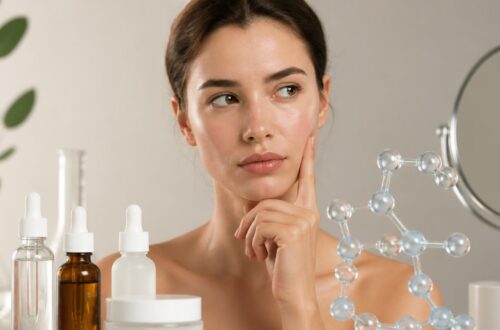
Every year, the wellness industry crowns a new must-have product. It might be a supplement, a wearable device, a functional drink, or a beauty-meets-health essential that suddenly seems to appear everywhere at once. This year’s top wellness product has generated the same familiar wave of excitement: glowing testimonials, celebrity endorsements, social media trends, and bold claims about how it can improve everything from energy and sleep to digestion and mental clarity.
But behind the marketing hype lies a more important question: what is the actual truth about this year’s top wellness product? The answer is more nuanced than advertisers often suggest. While many trending wellness products do offer real benefits, they are rarely miracle solutions. Understanding what a product can and cannot do is the key to making smart, healthy, and cost-effective decisions.
Why Wellness Products Become So Popular So Quickly
The wellness market thrives on aspiration. Consumers are not only buying a product; they are buying the promise of a better version of themselves. Whether the trend centers on gut health, stress reduction, longevity, or improved physical performance, the messaging is usually built around fast, visible transformation.
There are a few reasons why certain products rise to the top so quickly:
- Social media amplification makes trends spread rapidly.
- Influencer marketing gives products an appearance of trust and authority.
- Consumer fatigue with conventional solutions creates demand for alternatives.
- Wellness branding often combines science language with lifestyle appeal.
When a product is framed as both cutting-edge and natural, it becomes especially attractive. People want solutions that feel modern but safe, effective but effortless.
The Gap Between Marketing and Reality
One of the biggest truths about any trending wellness product is that marketing often moves faster than evidence. A product may contain beneficial ingredients or be based on a promising concept, but that does not automatically mean every claim made about it is fully supported.
This is common in wellness because brands often rely on three persuasive tactics:
- Preliminary research presented as definitive proof
- Personal success stories used in place of clinical evidence
- Broad health claims that are difficult to measure or verify
For example, a product might genuinely help support hydration, sleep quality, stress management, or nutrient intake. However, that is very different from saying it will transform overall health on its own. The reality is that most wellness products work best, if they work at all, as part of a broader healthy lifestyle.
What Consumers Should Look for Before Buying
If you are considering trying this year’s most talked-about wellness product, the smartest approach is to pause before purchasing and ask a few important questions.
1. What is actually in it?
Ingredients matter more than branding. Look beyond the packaging and identify the active components. Are they vitamins, minerals, herbs, probiotics, proteins, adaptogens, or synthetic compounds? Understanding the formula can help you assess whether the product aligns with your health needs or whether it simply repackages familiar ingredients at a premium price.
2. Is there research behind the claims?
Not all science is equal. A single small study does not carry the same weight as multiple peer-reviewed clinical trials. If a product claims to improve sleep, support metabolism, reduce inflammation, or boost immunity, there should be credible evidence to support those specific benefits.
It is also worth checking whether the research was conducted on the exact product or only on one of its ingredients in isolation. That distinction matters.
3. Is the dosage effective?
Even when ingredients are supported by science, they must be present in meaningful amounts. Some wellness products feature popular ingredients in doses too low to produce any real effect. This is especially common in supplements and functional beverages, where trendy ingredients are used more for label appeal than efficacy.
4. Who is it really for?
A good wellness product is not for everyone. Age, lifestyle, dietary needs, health conditions, medications, and goals all influence whether something is appropriate. If a product promises universal results, that is usually a red flag. Personalized wellness is far more realistic than one-size-fits-all wellness.
The Role of the Placebo Effect in Wellness
One reason many top wellness products receive enthusiastic reviews is that people often do feel better after using them. But that does not always mean the product is solely responsible. The placebo effect can be powerful, especially in areas like stress, focus, mood, and perceived energy.
This does not mean the experience is fake. It means expectation, routine, intention, and self-care rituals can meaningfully influence how we feel. If someone starts using a wellness product while also sleeping more, drinking more water, eating better, and paying closer attention to their body, that entire shift may contribute to the result.
In other words, some wellness products are helpful not only because of their ingredients, but because they encourage healthier behaviors. That still has value, but it is important to separate emotional satisfaction from scientific certainty.
When a Wellness Product May Be Worth It
Despite the skepticism surrounding hype-driven trends, some wellness products can be useful. The key is realistic expectations. A product may be worth trying if it meets several of the following criteria:
- It has transparent ingredient labeling
- Its claims are modest and specific
- It is supported by credible evidence
- It fits your budget without replacing essentials
- It complements your existing health habits
- It is recommended by a qualified health professional when needed
For example, a quality product that supports hydration, fills a nutritional gap, improves convenience, or helps reinforce a healthy routine may offer genuine value. The problem starts when wellness products are sold as substitutes for sleep, balanced nutrition, exercise, medical care, or stress management.
Red Flags to Watch Out For
As interest in wellness grows, so does the number of products designed to capitalize on fear, insecurity, and confusion. Consumers should be especially cautious if a product uses any of the following warning signs:
- Claims that sound too good to be true
- Language like miracle, instant, detox, or secret formula
- Lack of third-party testing or quality certification
- Proprietary blends that hide exact ingredient amounts
- Heavy reliance on celebrity promotion over expert credibility
- Pressure tactics such as limited-time offers or scarcity messaging
Another red flag is when a product implies that normal life experiences such as fatigue, stress, bloating, or occasional poor sleep always require a purchased solution. Wellness should support health, not create unnecessary dependency on products.
Why Lifestyle Still Matters More Than Any Single Product
The biggest truth about this year’s top wellness product is that no trend can outperform the basics. Everyday habits remain the true foundation of long-term well-being. That includes:
- Consistent sleep
- Balanced nutrition
- Regular physical activity
- Stress management
- Adequate hydration
- Preventive medical care
A wellness product may support one piece of that puzzle, but it cannot replace the whole picture. This is often the uncomfortable truth in a market built on convenience. Most lasting health improvements come from repeated habits, not quick fixes.
That does not make wellness products useless. It simply puts them in the right context. The best products are tools, not solutions in themselves.
How to Approach Wellness Trends More Intelligently
The smartest consumers are not the ones who avoid every trend. They are the ones who evaluate trends critically. If you want to benefit from innovation without falling for hype, use a more grounded approach:
Focus on your actual needs
Do not buy a product just because it is everywhere. Ask yourself what problem you are trying to solve and whether the product meaningfully addresses it.
Check independent sources
Look for information from registered dietitians, physicians, licensed health professionals, and reputable medical or scientific organizations rather than relying only on brand websites or social content.