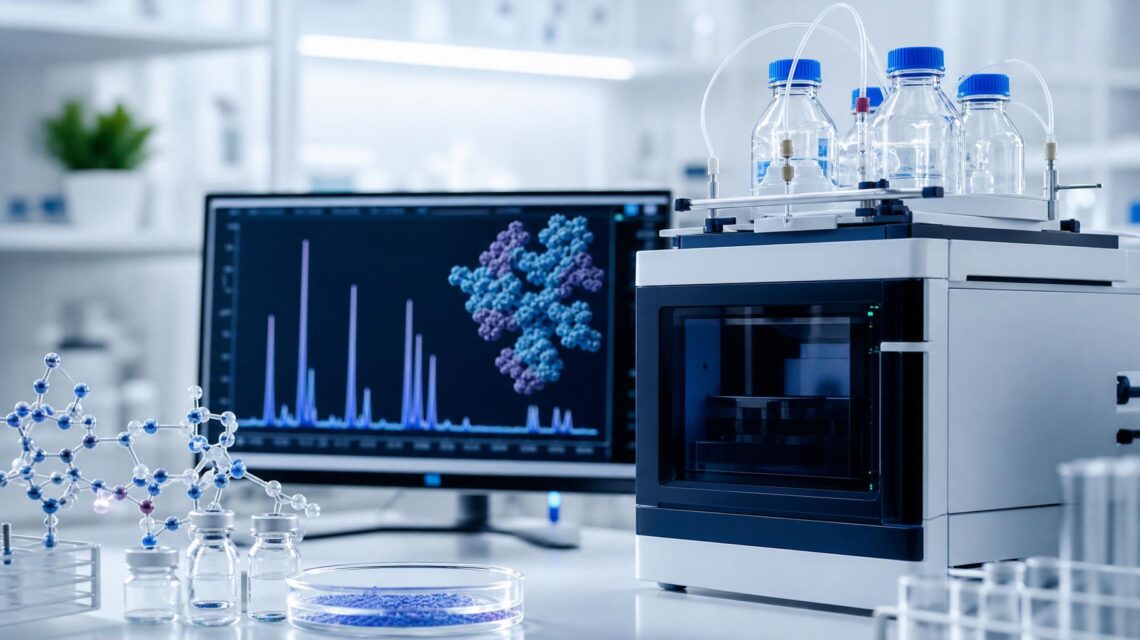
Chromatography has long been one of the most important techniques in proteomics, biopharmaceutical research, and analytical chemistry. Yet one major challenge continues to slow researchers down: accurately predicting how peptides will behave during separation. A new universal peptide prediction model is helping change that by improving chromatography analysis and giving…
-
-
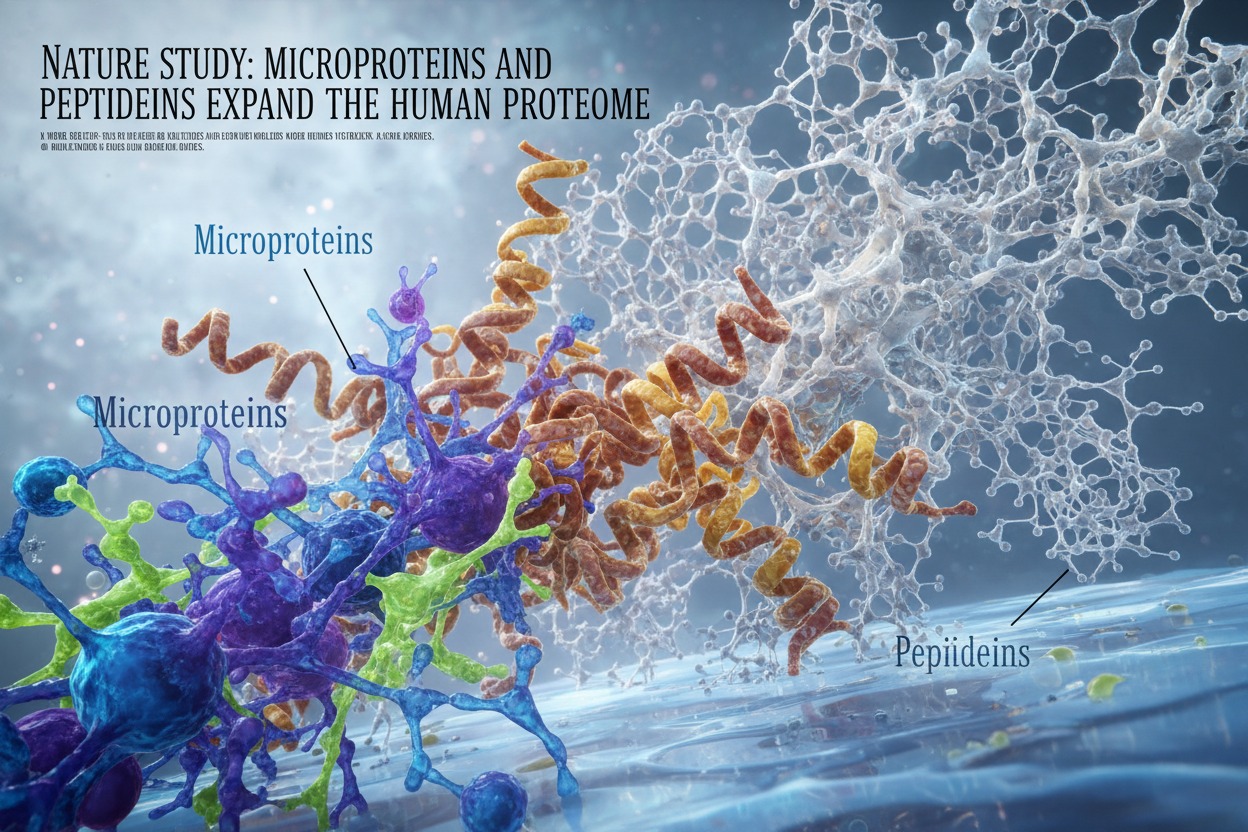
Rethinking the Boundaries of the Human Proteome The human proteome has traditionally been defined as the complete set of proteins encoded by our genes. For decades, scientists believed they had a relatively clear map of this landscape, focusing primarily on large, well-characterized proteins translated from clearly defined genes. However, recent…
-
The Convergence of Artificial Intelligence and Peptide Science Peptide therapeutics have long been recognized for their high specificity, strong potency, and relatively low toxicity. These short chains of amino acids bridge the gap between small molecules and large biologics, offering unique advantages in targeting complex diseases. However, traditional peptide discovery…