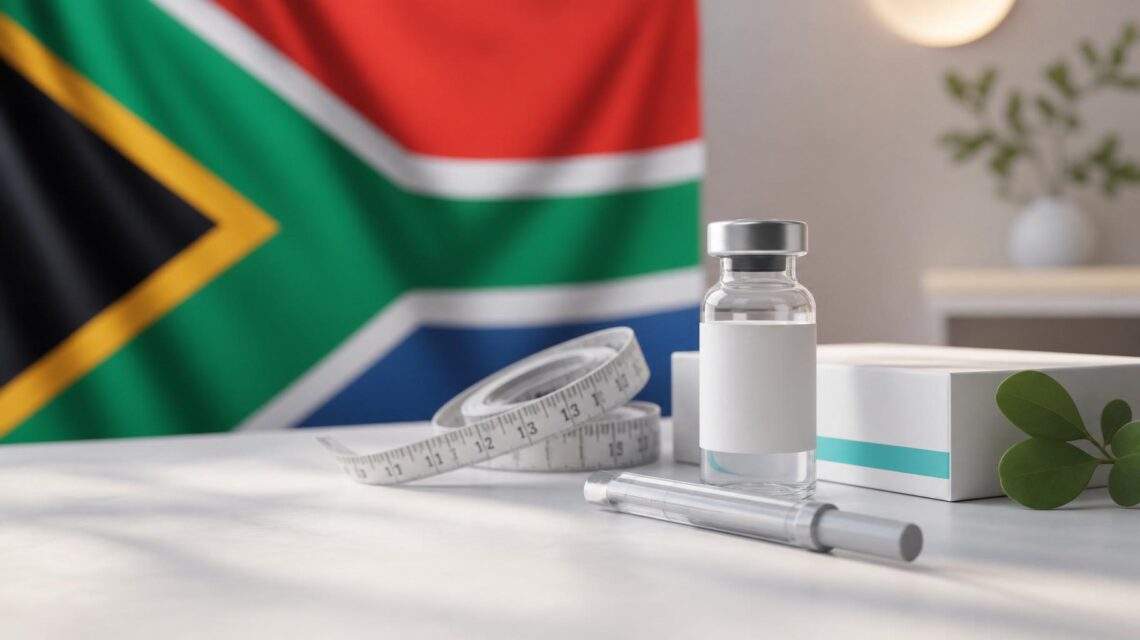
South Africa is intensifying efforts to stop the spread of illicit weight loss injections, as growing demand for prescription slimming medicines continues to attract illegal sellers, counterfeit products, and unsafe distribution networks. Health authorities are increasingly concerned that unregistered injectable drugs are being marketed to consumers outside regulated medical channels, creating serious risks for people hoping for fast weight loss results.
The crackdown reflects a wider global trend. As interest in anti-obesity and diabetes medicines rises, black market activity has followed. In South Africa, regulators and healthcare professionals are warning that buying weight loss jabs from unverified sources, social media sellers, beauty clinics, or informal resellers could expose patients to fake, contaminated, or improperly stored products.
Why South Africa Is Targeting Illegal Weight Loss Jabs
The popularity of injectable weight management treatments has grown rapidly in recent years. Medicines originally developed to help manage type 2 diabetes have also become well known for their ability to support weight loss when prescribed appropriately. This surge in public interest has created shortages in some markets and opened the door to illegal imports and unauthorized sales.
South African authorities are now moving more aggressively to address the issue because the consequences go beyond simple regulatory breaches. These products may be:
- Counterfeit, with unknown ingredients
- Improperly stored, reducing effectiveness or increasing danger
- Sold without medical supervision, putting patients at risk of harmful side effects
- Mislabeled, making dosage and usage unclear
- Imported illegally, bypassing quality and safety checks
For regulators, this is both a public health issue and a consumer protection challenge. The sale of high-demand medicines outside approved channels undermines trust in healthcare systems and may lead vulnerable people to make decisions based on misleading promises.
The Health Risks Behind Unregulated Slimming Injections
Prescription weight loss jabs are not simple cosmetic products. They are potent medicines that affect the body’s metabolism, appetite, and blood sugar regulation. Even when legitimate, they should only be used under the guidance of a qualified healthcare professional who can determine whether they are suitable for a patient’s medical history and goals.
When these injections are obtained illegally, the risks multiply. People may not know exactly what they are injecting, whether the medicine has been kept at the correct temperature, or whether the dosing instructions are accurate. This can lead to complications ranging from mild discomfort to severe health emergencies.
Possible Dangers of Illicit Weight Loss Medicines
- Nausea, vomiting, and severe gastrointestinal side effects
- Dehydration caused by prolonged vomiting or diarrhea
- Allergic reactions to unknown ingredients
- Incorrect dosing, which may reduce effectiveness or worsen side effects
- Infection from poor handling or unsafe injection practices
- Use by individuals with contraindications or underlying conditions
Another major concern is that many buyers may assume that if a product is widely discussed online, it must be safe. That assumption can be dangerously wrong. A medicine’s popularity does not replace proper diagnosis, monitoring, and prescription oversight.
The Role of Social Media and Informal Sellers
One of the biggest drivers of the illicit market is the ease with which sellers can reach consumers online. Social media platforms, messaging apps, and informal e-commerce spaces have made it easier for unauthorized vendors to advertise so-called miracle slimming injections directly to the public.
These promotions often rely on before-and-after photos, celebrity trends, exaggerated claims, and pressure tactics designed to create urgency. In many cases, the products are promoted as quick fixes rather than prescription therapies that require medical assessment and follow-up care.
Common red flags include:
- Products sold without a prescription
- Claims of guaranteed weight loss
- Prices that seem significantly lower than pharmacy rates
- No verifiable supplier or manufacturer information
- Advice provided by non-medical sellers
- Packaging that looks tampered with or lacks proper labeling
For consumers, the convenience of online buying can hide the reality that they may be dealing with unlicensed importers or counterfeit drug distributors. South Africa’s crackdown aims to disrupt these channels and remind the public that regulated medicine cannot safely be treated as a lifestyle accessory.
Why Demand for Weight Loss Jabs Keeps Rising
The strong demand for these injections is not difficult to understand. Obesity rates are rising in many countries, and more people are searching for medical solutions that can help where diet and exercise alone have not delivered the desired results. At the same time, widespread online discussion has turned certain medications into household names.
But demand alone does not justify unsafe access. Effective weight management treatment requires individualized care. A doctor may need to review:
- Body mass index and related health risks
- Existing medical conditions such as diabetes or hypertension
- Current medications and potential interactions
- History of eating disorders or gastrointestinal issues
- Long-term treatment and lifestyle support plans
Without this process, patients risk using powerful drugs inappropriately. Some may not need them at all. Others may need closer monitoring than they realize. The crackdown in South Africa sends a clear message that medical weight loss should remain within the healthcare system, not the underground market.
How the Regulatory Response Could Affect Consumers and Sellers
Authorities are expected to focus on unauthorized distributors, illegal imports, and businesses selling prescription medicines outside approved rules. This may include investigations into suppliers, enforcement actions against illegal retailers, and stronger public awareness campaigns.
For consumers, stricter enforcement could make it harder to access products through informal channels. While some buyers may find that frustrating, the ultimate goal is to reduce harm. Preventing access to questionable medicines can protect people from serious consequences that may not be obvious at the point of purchase.
For sellers, the message is more direct: the commercialization of prescription weight loss injections without proper authorization may result in penalties, seizures, or legal consequences. Regulators are increasingly aware that the illicit medicine trade is adapting quickly, especially where demand is driven by health and beauty trends.
What Legitimate Access Should Look Like
Consumers who are considering prescription weight loss injections should expect the following:
- A consultation with a registered healthcare professional
- A review of medical history and weight-related health concerns
- A lawful prescription, where appropriate
- Medicine dispensed by a licensed pharmacy or approved provider
- Clear instructions on dosage, side effects, and storage
- Ongoing monitoring and follow-up appointments
If any of these steps are missing, that should raise immediate concerns.
Public Awareness Is Just as Important as Enforcement
Cracking down on illegal supply is one side of the solution. The other is education. Many people seeking weight loss support may not fully understand the difference between a regulated prescription medicine and an unverified product sold online. They may also underestimate the health risks of using injections without supervision.
This is why public health messaging matters. South Africans need reliable information on:
- How to identify legitimate medical providers
- Why prescription control exists for injectable medicines
- How counterfeit medicines can circulate in online markets
- What side effects require urgent medical attention
- Where to report suspicious products or sellers
Better awareness can reduce demand for illegal products and make enforcement more effective. It also helps shift the conversation from rapid weight loss marketing to safe, evidence-based healthcare.
A Broader Warning for the Weight Loss Market
South Africa’s action highlights a broader issue affecting many countries: whenever a medicine becomes highly sought after, opportunistic sellers move in. Weight loss treatments are especially vulnerable because they sit at the intersection of health, body image, and consumer desire.
That makes them an easy target for hype and misinformation. Some buyers may feel desperate, embarrassed, or impatient, all of which can make flashy online offers seem appealing. But prescription injectable therapies are not harmless shortcuts. They carry real risks and should be treated with the same seriousness as any other regulated medical treatment.
The current crackdown is therefore about more than seizures or legal compliance. It is a reminder that safe weight loss treatment must be medically supervised, legally supplied, and carefully monitored. Anything less can put lives at risk.
Final Thoughts
South Africa’s crackdown on illicit weight loss jabs is a timely and necessary response to a fast-growing public health concern. As demand for injectable slimming medicines rises, so does the danger of counterfeit products, illegal sales, and unsafe self-medication. For consumers, the lesson is clear: if a product is offered without a prescription, sold through informal channels, or promoted as a guaranteed quick fix, it should be approached with extreme caution.
The