Sleep is one of the most important factors in physical recovery, hormone balance, mood, and daily performance. Because growth hormone is released primarily during deep sleep, interest has grown in therapies that may support the body’s natural growth hormone pathway. Sermorelin is one such therapy. It is a synthetic version of growth hormone-releasing hormone, or GHRH, a substance produced in the hypothalamus that signals the pituitary gland to release growth hormone.
Some clinics and healthcare providers discuss sermorelin for sleep, recovery, body composition, or age-related changes in hormone production. However, it is important to understand what sermorelin may do, what the research actually shows, and why professional medical supervision is essential. Sermorelin is not a guaranteed sleep solution, and its potential benefits can vary depending on a person’s age, health, hormone levels, and underlying cause of poor recovery.
What Is Sermorelin?
Sermorelin is a laboratory-made peptide that resembles growth hormone-releasing hormone. Rather than supplying growth hormone directly, it is designed to encourage the pituitary gland to produce and release more of the body’s own growth hormone.
This distinction is important. Growth hormone production is regulated by several factors, including sleep, nutrition, exercise, stress, age, and overall health. Sermorelin works within this natural signaling pathway, although the response may be limited if the pituitary gland is not functioning properly.
Sermorelin has been studied in children with growth hormone deficiencies and has also been used in some adult hormone and wellness settings. In the United States, it is commonly obtained through specialized or compounding pharmacies, depending on the formulation and clinical circumstances. Availability, prescribing practices, and regulatory status can change, so patients should discuss the medication with a licensed healthcare professional.
How Sermorelin May Relate to Sleep
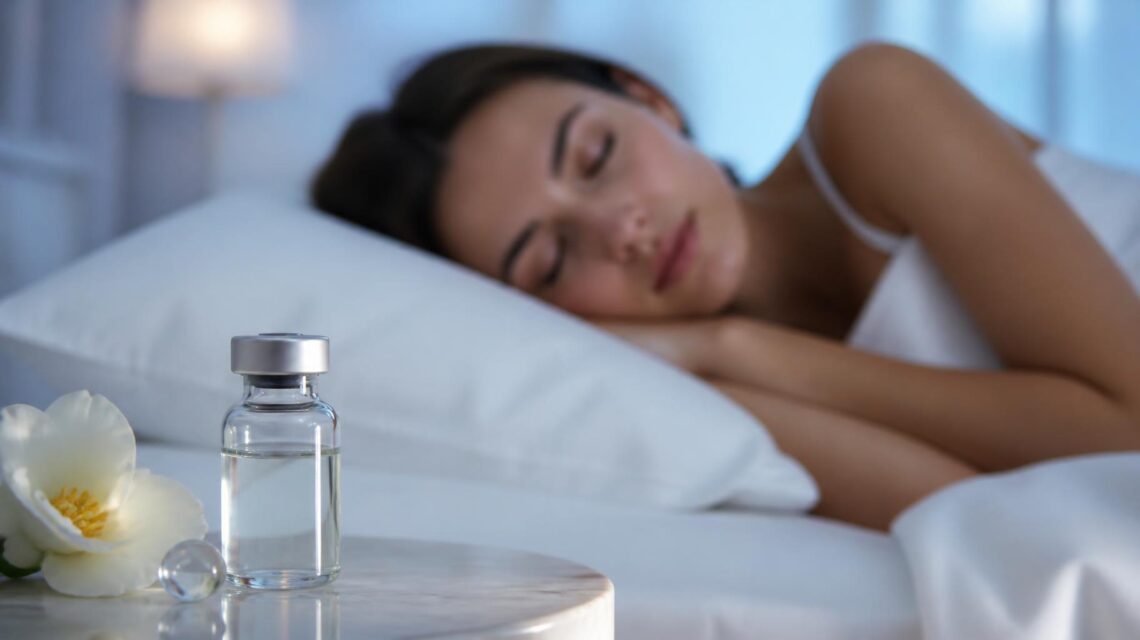
Growth hormone is released in pulses, with one of the largest pulses typically occurring shortly after falling asleep during slow-wave, or deep, sleep. This relationship has led researchers to investigate whether supporting growth hormone signaling could influence sleep quality or recovery.
Some people report that sermorelin helps them sleep more deeply or wake up feeling more refreshed. These experiences may relate to changes in growth hormone activity, but the evidence is not strong enough to conclude that sermorelin consistently treats insomnia or other sleep disorders.
It is also possible that improvements attributed to sermorelin may result from several factors at once. A person may be making lifestyle changes, receiving treatment for a hormone deficiency, improving nutrition, or simply experiencing normal fluctuations in sleep. For this reason, sermorelin should not be viewed as a replacement for an evaluation of common sleep problems such as sleep apnea, restless legs syndrome, anxiety, depression, medication effects, or irregular sleep schedules.
Potential Sleep-Related Benefits
When prescribed for an appropriate patient, sermorelin may potentially support sleep and nighttime recovery in several ways:
- Supporting the natural growth hormone release pathway
- Promoting the hormonal processes associated with deep sleep
- Helping some patients feel more rested after sleep
- Supporting recovery when low growth hormone activity is part of the problem
- Potentially complementing healthy sleep, exercise, and nutrition habits
These potential effects are not guaranteed. High-quality evidence for sermorelin as a direct treatment for insomnia remains limited, and a clinician should determine whether it is appropriate based on medical history and laboratory findings.
Sermorelin and Physical Recovery
Growth hormone plays a role in tissue repair, protein metabolism, bone health, and the maintenance of lean body mass. Because sermorelin may stimulate the body’s own growth hormone production, it has attracted attention among people interested in post-exercise recovery and healthy aging.
Some patients may notice changes in recovery time, energy, or exercise tolerance after beginning treatment. However, these outcomes depend on many variables, including training intensity, sleep duration, calorie intake, protein consumption, hydration, age, and the presence of medical conditions.
Possible Recovery Benefits to Know
Potential benefits discussed in clinical settings may include:
- Support for muscle repair and recovery after exercise
- Maintenance of lean tissue during aging or reduced activity
- Support for bone and connective tissue health
- Improved sense of physical well-being in selected patients
- Possible assistance with body composition when combined with lifestyle changes
It is important to keep expectations realistic. Sermorelin is not a substitute for progressive resistance training, adequate protein, or sufficient sleep. It is also not a proven shortcut for rapid fat loss or athletic performance enhancement. Any recovery benefit is more likely to be meaningful when the medication is used to address a documented hormone-related concern rather than as a general performance product.
Who May Consider Sermorelin?
A healthcare provider may consider sermorelin for an adult or child when symptoms and testing suggest reduced growth hormone activity or a related endocrine concern. Symptoms that may prompt an evaluation can include reduced muscle mass, low energy, changes in body composition, impaired recovery, or concerns about growth in children. These symptoms are nonspecific and can also be caused by thyroid disorders, anemia, chronic illness, medication use, poor sleep, or nutritional deficiencies.
A proper assessment may include a medical history, physical examination, medication review, and laboratory testing. Growth hormone itself is released in pulses, so a single random growth hormone measurement is usually not enough to assess overall function. A clinician may evaluate related markers, such as insulin-like growth factor 1, and may recommend additional testing when appropriate.
How Sermorelin Is Typically Used
Sermorelin is commonly administered as a subcutaneous injection, meaning it is injected into the fatty tissue beneath the skin. The dose, timing, and treatment schedule vary according to the patient’s age, health status, goals, laboratory results, and the prescribing clinician’s judgment.
Some providers recommend evening administration because the body’s natural growth hormone release is closely linked with nighttime sleep. However, timing should follow the specific instructions provided by the prescriber. Changing the dose or injection schedule without medical guidance can increase the risk of side effects or reduce the usefulness of treatment.
Patients should obtain sermorelin only through a legitimate pharmacy and should follow instructions for storage, preparation, injection technique, and disposal of needles. Products obtained from unverified online sources may be contaminated, incorrectly labeled, or improperly stored.
Potential Side Effects and Safety Considerations
Sermorelin is not appropriate for everyone. Possible side effects may include injection-site redness, swelling, itching, headache, dizziness, flushing, nausea, or fatigue. Some individuals may experience increased hunger or temporary changes in blood sugar regulation.
Because growth hormone can affect fluid balance and tissue growth, patients should discuss sermorelin carefully with a healthcare provider if they have diabetes, cancer, a history of intracranial lesions, severe obesity, untreated sleep apnea, or other significant medical conditions. A clinician may also need to monitor blood glucose, insulin-like growth factor 1, symptoms, and other relevant markers during treatment.
Seek prompt medical attention for severe allergic symptoms, unusual swelling, intense headaches, vision changes, chest pain, or other serious or rapidly worsening symptoms. Patients should also tell their healthcare provider about all prescription medications, supplements, and hormone therapies they use.
Sermorelin Versus Direct Growth Hormone Therapy
Sermorelin and prescription growth hormone are not the same treatment. Direct growth hormone therapy supplies the hormone itself, while sermorelin attempts to stimulate the body’s pituitary gland. This may offer a more physiologic approach for some patients, but it may not work well when the pituitary gland cannot respond appropriately.
The best option depends on the diagnosis, age, medical history, test results, treatment goals, and applicable regulations. Neither therapy should be used casually for anti-aging, bodybuilding, or sleep improvement without a clear medical rationale.
Ways to Improve Sleep and Recovery Naturally
Whether or not sermorelin is prescribed, daily habits remain central to sleep and recovery. Helpful strategies include:
- Keeping a consistent sleep and wake schedule
- Creating a dark, quiet, and comfortably cool bedroom
- Limiting alcohol and avoiding nicotine near bedtime
- Reducing caffeine later in the day
- Exercising regularly while allowing adequate recovery between intense sessions
- Eating enough protein and overall calories to support training and repair
- Managing stress through relaxation techniques, therapy, or mindfulness
- Discussing persistent snoring, gasping, or daytime sleepiness with a clinician
What to Ask Your Healthcare Provider
Before considering sermorelin for sleep or recovery, ask why the treatment is being recommended and what outcome can reasonably be expected. Useful questions include:
- Do my symptoms suggest a growth hormone or pituitary problem?
- What laboratory tests or evaluations do I need?
- Could sleep apnea, thyroid disease, stress, or another condition explain my symptoms?
- What side effects should I monitor?
- How will my response and safety be followed over time?
- Is the product obtained from a properly licensed pharmacy?
The Bottom Line on Sermorelin for Sleep and Recovery
Sermorelin may support the body’s growth hormone signaling pathway and could offer potential benefits for selected patients with documented hormone-related concerns. Some people may report better sleep quality, improved recovery, or enhanced well-being, but sermorelin is not a universally proven treatment for insomnia, fatigue, or athletic performance.
The safest approach is to identify the underlying cause of poor sleep or slow recovery before starting therapy. A qualified healthcare provider can determine whether sermorelin is appropriate, explain its limitations, monitor for side effects, and recommend evidence-based lifestyle strategies that support lasting results.