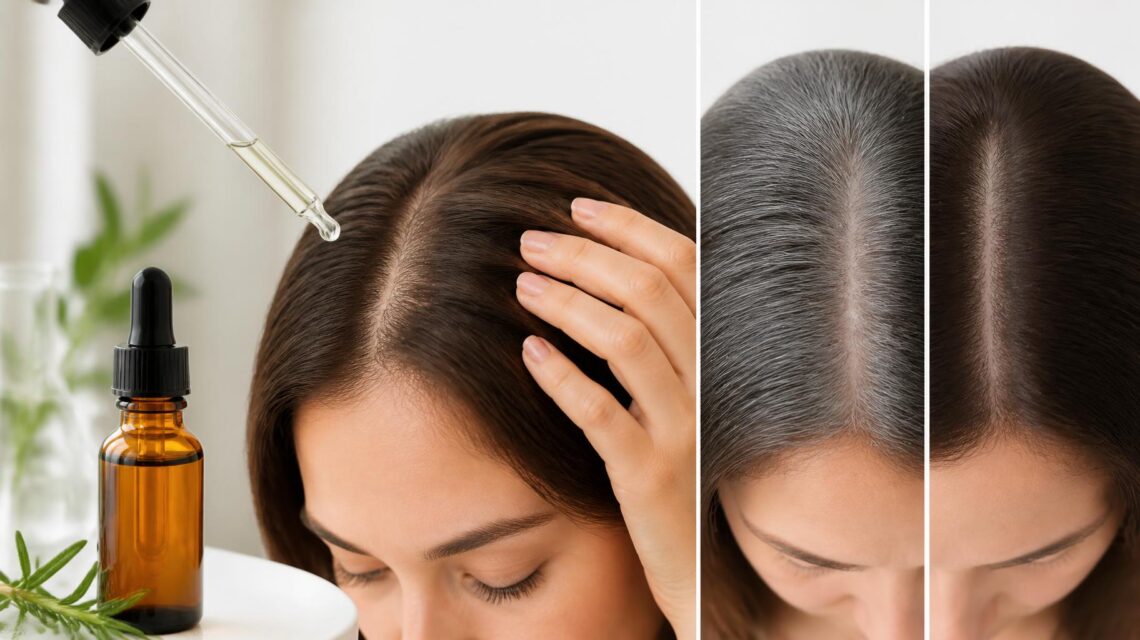
Gray strands and thinning hair are two of the most common beauty concerns people face as they age, yet most products only address one issue at a time. That is why interest is growing around the latest generation of hair serums designed to target both visible graying and reduced hair density. An anti-graying serum that also supports the appearance of fuller, healthier hair has quickly become one of the most talked-about innovations in the hair care space.
Instead of simply coating the hair or temporarily masking signs of aging, these formulas are being promoted as part of a more advanced approach to scalp and follicle care. For anyone looking to improve the look of thinning hair while also supporting natural color retention, this category is worth a closer look.
Why Hair Turns Gray and Starts Thinning
To understand why anti-graying hair serums are attracting attention, it helps to look at what happens to hair over time. Graying and thinning are often linked to aging, but they are influenced by several factors beyond just the years.
Hair gets its natural color from melanin, a pigment produced by specialized cells in the hair follicle. As people age, melanin production often slows down. When less pigment is produced, strands lose color and begin to appear gray, silver, or white.
At the same time, many people notice that their hair becomes finer, weaker, or less dense. This can happen when follicles produce thinner strands, when the growth cycle shortens, or when more hair enters the shedding phase than normal.
Some of the most common contributors include:
- Genetics, which often play the biggest role in when graying and thinning begin
- Hormonal changes, especially during aging, stress, or major life transitions
- Oxidative stress, which may impact pigment-producing cells and scalp health
- Nutrient deficiencies, including low levels of essential vitamins and minerals
- Environmental damage from sun exposure, pollution, and harsh styling habits
- Scalp inflammation, which can interfere with healthy hair growth
Because these issues can overlap, modern hair care products are increasingly formulated to address multiple concerns at once.
What Is an Anti-Graying Serum?
An anti-graying serum is a targeted scalp or hair treatment developed to support the conditions that may help hair maintain a more youthful appearance. Unlike basic leave-in products that focus mainly on shine or frizz control, these serums are typically designed to work closer to the root.
Many formulas aim to nourish the scalp, strengthen hair at the follicle level, and reduce the visible impact of aging on the hair. Some also include ingredients promoted for supporting pigment pathways, though results can vary widely from person to person.
What makes this category especially appealing is the combination of benefits. Rather than offering only cosmetic coverage, the goal is to help improve:
- The look of sparse or thinning areas
- The overall health of the scalp environment
- The appearance of stronger, denser strands
- The visible signs of premature aging in the hair
For consumers who want a more comprehensive hair care solution, that combination can be highly attractive.
How These Serums May Support Fuller-Looking Hair
Hair serums marketed for thinning hair generally focus on creating a better foundation for growth and retention. While not every product can truly regrow hair in a medical sense, many can help support healthier-looking hair and reduce the appearance of thinning.
Common ways these formulas may work include improving scalp hydration, minimizing breakage, and helping strands appear thicker and stronger. Some products also contain ingredients associated with stimulating the scalp or supporting circulation, which may contribute to a healthier growth environment.
Key Areas of Support
- Scalp nourishment: A healthy scalp is essential for healthier-looking hair
- Strand strengthening: Proteins, peptides, and botanical extracts may reduce breakage
- Follicle support: Certain actives are included to help support the natural hair cycle
- Moisture balance: Hydrated hair is often more resilient and less prone to snapping
- Volume enhancement: Some ingredients help hair look plumper and denser over time
This is why a well-formulated serum may become an important part of a broader hair wellness routine, especially for those dealing with fine, fragile, or aging hair.
Ingredients Often Found in Anti-Graying and Hair Density Serums
Not all serums are the same, and ingredient lists can vary significantly. However, many products in this category rely on a blend of cosmetic science and plant-based support. If you are comparing options, these are some common ingredient types to look for:
Peptides and Proteins
Peptides are often used in hair care to support stronger-looking strands and improve the feel of the hair. Protein-based ingredients may also help reinforce damaged areas, making hair appear fuller and healthier.
Antioxidants
Because oxidative stress is often linked with visible aging, antioxidants are commonly included in formulas intended for gray or thinning hair. These ingredients may help protect the scalp and hair from environmental stressors.
Botanical Extracts
Plant-based ingredients such as ginseng, rosemary, amla, and other herbal extracts are often added to promote scalp vitality. While results depend on the formula, these ingredients are popular in products targeting aging hair concerns.
Pigment-Supporting Compounds
Some anti-graying serums include ingredients marketed as supporting melanin-related activity in the hair follicle. These claims can sound exciting, but it is important to approach them with realistic expectations. Hair graying is complex, and no topical product works the same way for everyone.
Hydrating Agents
Ingredients like hyaluronic acid, glycerin, or lightweight oils can help maintain softness and reduce roughness. Hair that is moisturized tends to reflect light better and appear smoother, shinier, and healthier.
What to Expect From an Anti-Graying Hair Serum
One of the biggest misconceptions about trending hair products is that they deliver overnight transformations. In reality, most serums require consistent use over several weeks or months. Since hair grows in cycles, noticeable changes often take time.
In many cases, users may first notice that their hair feels softer, looks shinier, or appears less brittle. Improvements in the look of thickness or density may become more visible with ongoing use. Anti-graying benefits, when they occur, may be subtle and gradual rather than dramatic.
Reasonable expectations might include:
- Reduced breakage and improved manageability
- A healthier-looking scalp with better moisture balance
- Hair that appears thicker or more resilient
- Less visible dullness often associated with aging hair
- Support for a more youthful hair appearance over time
It is also important to remember that true regrowth claims should be viewed carefully. If someone is experiencing significant hair loss, patchy shedding, or sudden graying, a consultation with a dermatologist or healthcare professional is a smart next step.
How to Use a Hair Serum for Best Results
Even the most promising serum will not do much if it is used inconsistently or applied incorrectly. Following the directions on the product is essential, but there are also some general guidelines that can help maximize results.
Application Tips
- Apply the serum directly to the scalp rather than only coating the hair
- Use it on clean or slightly damp hair if recommended by the brand
- Massage gently to help distribute the formula evenly
- Stay consistent with daily or scheduled use
- Avoid overloading the scalp with too many heavy styling products
Pairing a serum with a gentle shampoo, a nourishing conditioner, and a scalp-friendly routine can also make a difference. Less heat styling, less tension from tight hairstyles, and better nutrition may all support healthier hair over time.
Who May Benefit Most From This Type of Serum?
An anti-graying serum that supports thinning hair may appeal to a wide range of people, especially those seeing the early signs of hair aging. It can be particularly useful for individuals who want a non-invasive option to improve the overall appearance of their hair.
People who may benefit