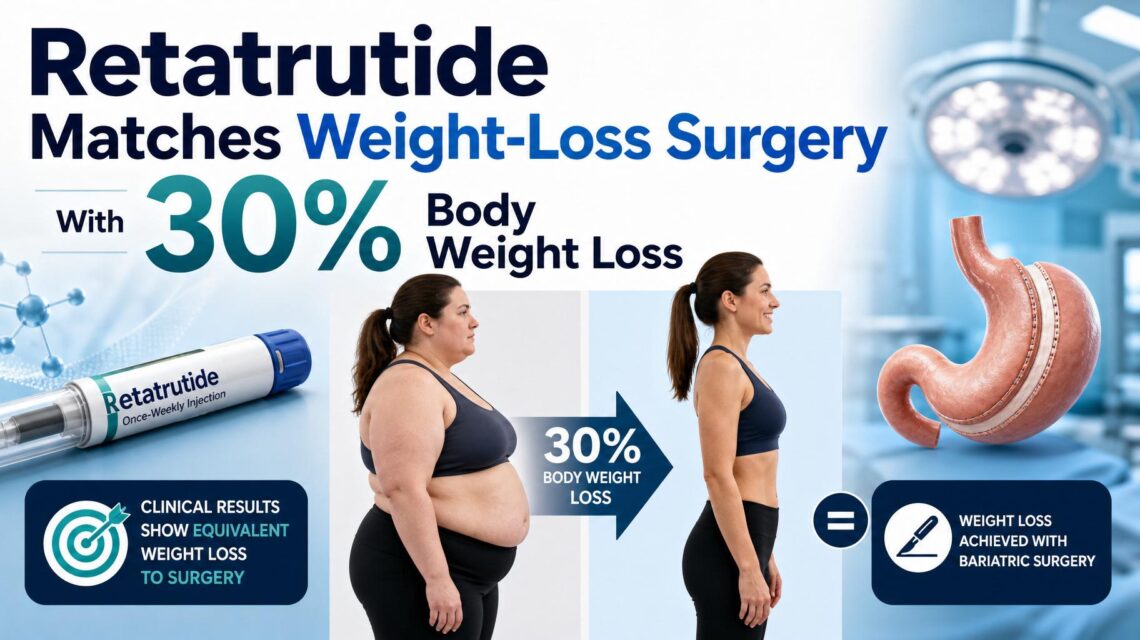
A new generation of obesity treatments is rapidly changing what patients and clinicians believe is possible, and retatrutide is emerging as one of the most talked-about medicines in the field. In recent clinical research, this investigational drug produced around 30% average body weight loss in some participants, a result that begins to approach outcomes typically associated with bariatric surgery. That level of effectiveness has drawn major attention because it suggests a future where some people may achieve profound weight reduction without undergoing an operation.
Obesity is a complex chronic disease linked to type 2 diabetes, heart disease, sleep apnea, fatty liver disease, joint problems, and reduced quality of life. While lifestyle changes remain essential, many patients struggle to lose a meaningful amount of weight and keep it off over time. That reality has fueled demand for treatments that target the biological drivers of appetite, metabolism, and energy balance. Retatrutide appears to do exactly that, which is why experts are watching its development so closely.
What Is Retatrutide?
Retatrutide is an investigational weight-loss drug being developed to treat obesity and related metabolic conditions. It belongs to a newer class of medicines designed to mimic multiple gut and hormone signals involved in hunger regulation, fullness, blood sugar control, and fat metabolism.
What makes retatrutide especially notable is that it acts on three different hormone receptors:
- GLP-1, which helps reduce appetite and improve blood sugar regulation
- GIP, which may enhance metabolic effects and support weight reduction
- Glucagon, which may increase energy expenditure and influence fat metabolism
This triple-action mechanism sets retatrutide apart from earlier obesity drugs that target only one pathway. Researchers believe this broader hormonal approach may explain why the medicine has shown such striking weight-loss results in trials.
Why the 30% Weight Loss Result Matters
In obesity medicine, the amount of weight lost matters because larger reductions are often associated with bigger improvements in health outcomes. Many older weight-loss medications delivered relatively modest results. Newer injectable therapies have raised expectations significantly, but a drug producing approximately 30% body weight loss moves the conversation into a different category.
That is because bariatric surgery, particularly procedures such as gastric bypass and sleeve gastrectomy, has long been considered the most effective treatment for severe obesity. Surgery can lead to dramatic and sustained weight loss, often in the range of 25% to 35% depending on the procedure and the patient. If a medication can reliably approach those outcomes, it has the potential to reshape obesity treatment.
For patients who are not candidates for surgery, who prefer not to undergo an operation, or who face access barriers due to cost, insurance, or health risks, a highly effective medication could become a powerful alternative.
How Retatrutide Compares With Weight-Loss Surgery
The headline claim that retatrutide matches weight-loss surgery needs context. Bariatric surgery and medication are not identical interventions, and they come with different benefits, risks, and long-term considerations.
Areas where retatrutide may compare favorably
- It is non-surgical and does not require operating room procedures
- It avoids many of the immediate surgical risks tied to anesthesia and recovery
- It may be more appealing to patients who want a less invasive option
- It could potentially be expanded to a broader patient population
Areas where surgery still has important advantages
- Bariatric surgery has a longer track record with durable outcome data
- Some procedures produce metabolic changes that go beyond weight loss alone
- Surgery may still be the best option for people with severe obesity or advanced obesity-related disease
- Medication benefits may depend on continued treatment over time
In other words, retatrutide is exciting not because it makes surgery obsolete, but because it may expand the treatment toolkit in a major way.
How Retatrutide Works in the Body
To understand why this medication is generating so much optimism, it helps to look at the biology. Obesity is not simply a matter of willpower. The body actively regulates hunger, satiety, insulin response, and energy storage through an intricate hormonal network. When a person loses weight, the body often fights back by increasing hunger and slowing metabolism, making long-term weight maintenance extremely difficult.
Retatrutide appears to address several of these pathways simultaneously. Its activity at GLP-1 receptors may help people feel fuller sooner and reduce food intake. Its effect on GIP receptors may support insulin function and optimize how nutrients are processed. The glucagon component may increase calorie burning and fat utilization. Together, these effects could help explain the scale of weight loss seen in clinical testing.
This multi-receptor design is one of the reasons many specialists view retatrutide as part of the next evolution in anti-obesity pharmacotherapy.
Potential Benefits Beyond Weight Loss
Although the dramatic reduction in body weight gets the headlines, the real significance of this kind of therapy may lie in its broader health effects. Meaningful weight loss can improve or even reverse several obesity-related conditions.
Possible downstream benefits may include:
- Better blood sugar control and reduced risk of type 2 diabetes complications
- Lower blood pressure in some patients
- Improved cholesterol and triglyceride levels
- Reduced strain on joints and improved physical mobility
- Improved sleep apnea symptoms
- Lower cardiovascular risk markers
Researchers will continue evaluating whether retatrutide’s weight-loss results translate into long-term protection against heart disease, metabolic illness, and other major complications. Those outcomes will be critical for determining its eventual place in obesity care.
What Patients Should Know About Side Effects
Like many medications that work through gut hormone pathways, retatrutide may cause gastrointestinal side effects. In clinical studies of similar drugs, the most common issues have included nausea, vomiting, diarrhea, constipation, and stomach discomfort. These effects often occur during dose escalation, when the body is adjusting to treatment.
Important points for patients to keep in mind include:
- Side effects can range from mild to significant
- Dosing is typically increased gradually to improve tolerability
- Not every patient responds the same way
- Long-term safety data are still being developed because retatrutide remains investigational
As with any obesity medication, treatment decisions should be made with a healthcare professional who can evaluate medical history, current conditions, and possible risks.
Is Retatrutide Available Now?
At this stage, retatrutide is still an experimental drug undergoing clinical development. That means it is not yet broadly available as a standard prescription treatment. Before any new medicine reaches the market, regulators review data on its safety, effectiveness, dosing, and manufacturing quality.
Even if the current results remain strong, several questions still matter:
- How durable is the weight loss over multiple years?
- What happens if patients stop taking the drug?
- Which patient groups benefit most?
- How does it compare head-to-head with other leading obesity medications?
- What will access and insurance coverage look like if approved?
These are practical issues that can determine whether a breakthrough therapy becomes a widely used solution or remains difficult for many people to obtain.
Why This Development Is Important for the Future of Obesity Treatment
The rise of highly effective obesity medicines marks a major shift in how excess weight is understood and treated. For years, obesity was often approached primarily through advice about diet and exercise, even though biology strongly influences appetite, hormonal signaling, and fat storage. The success of drugs like retatrutide reinforces the view that obesity is a chronic medical condition that often requires targeted treatment.
If future studies confirm its promise, retatrutide could help redefine treatment pathways for millions of people. Instead of viewing surgery as the only route to very large weight loss, healthcare providers may soon have another option that comes close for selected patients.
That could be especially important