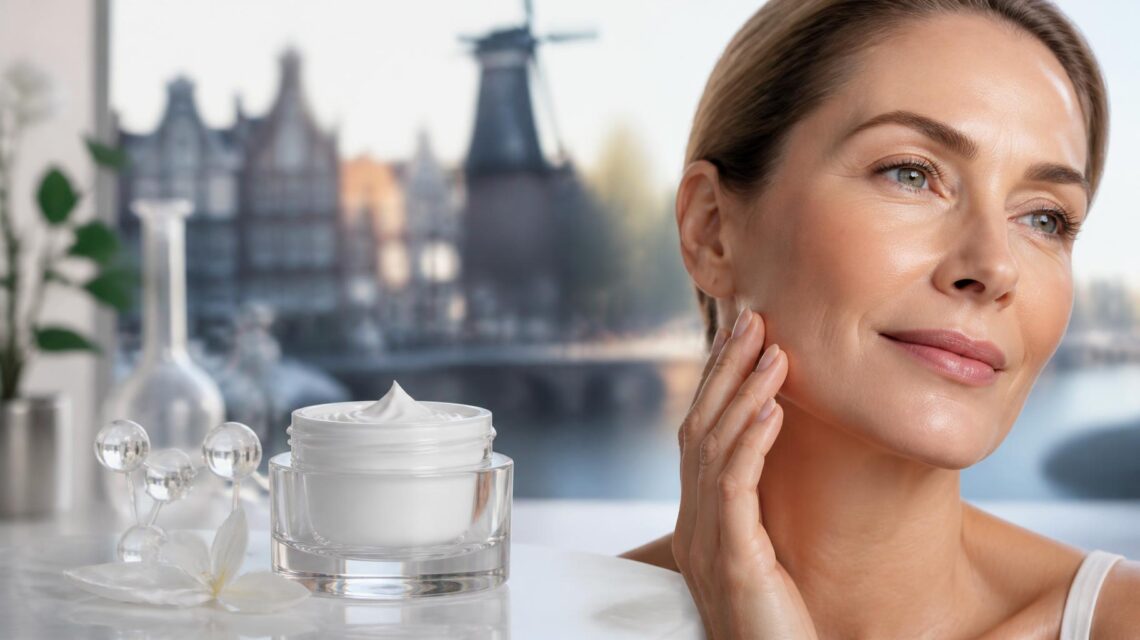
Overview of the Netherlands Peptide Firming Creams Market
The Netherlands peptide firming creams market is gaining steady momentum as consumers increasingly seek science-backed skincare solutions that support firmer, smoother, and more youthful-looking skin. Peptide-based creams have become a major category within the anti-aging skincare segment because they are widely associated with improving skin elasticity, supporting collagen production, and reducing the visible appearance of fine lines and wrinkles.
In the Netherlands, the beauty and personal care sector continues to evolve alongside changing consumer preferences. Today’s skincare buyers are more informed, ingredient-conscious, and willing to invest in products that combine efficacy, safety, and convenience. As a result, peptide firming creams are moving from niche prestige products into broader mainstream awareness, helped by digital marketing, dermatologist-led education, and growing interest in preventive skincare.
This market is expected to experience sustained expansion over the forecast period, driven by a mix of demographic, technological, and retail factors. An aging population, rising beauty consciousness, product innovation, and premiumization in skincare are all contributing to stronger demand across the Dutch market.
What Are Peptide Firming Creams?
Peptide firming creams are topical skincare formulations containing peptides, which are short chains of amino acids that serve as building blocks for proteins such as collagen and elastin. These proteins are essential for maintaining the skin’s firmness, structure, and resilience. In cosmetic formulations, peptides are included to help improve the appearance of the skin and support anti-aging skincare routines.
These creams are especially popular among consumers looking to address common age-related skin concerns, including:
- Loss of elasticity
- Fine lines and wrinkles
- Dull or tired-looking skin
- Sagging around the jawline or cheeks
- Uneven skin texture
The appeal of peptide firming creams lies in their positioning as advanced yet non-invasive skincare treatments. Consumers who are not ready for dermatological procedures or more aggressive interventions often see peptide creams as an accessible and effective alternative.
Key Market Drivers in the Netherlands
Rising Demand for Anti-Aging Skincare
One of the primary growth drivers in the Netherlands peptide firming creams market is the increasing interest in anti-aging skincare. Consumers are becoming more proactive about maintaining skin health from an earlier age, rather than waiting until visible signs of aging appear. This preventive approach is expanding the target audience for peptide-based products beyond older age groups.
Millennials and Gen X consumers, in particular, are contributing to category growth by adopting daily skincare routines that include serums, moisturizers, eye creams, and firming creams enriched with active ingredients. Peptides are often viewed as a premium and intelligent addition to these routines.
Growing Ingredient Awareness
Dutch consumers are showing a stronger preference for skincare products with clearly communicated ingredient lists and proven benefits. Social media, online reviews, beauty influencers, and dermatology-focused content have made shoppers more knowledgeable about ingredients like retinol, hyaluronic acid, niacinamide, and peptides.
This rising ingredient literacy is helping peptide firming creams gain credibility. Brands that explain how peptides work and highlight clinical testing, research, or visible results are well positioned to build consumer trust in the Dutch market.
Innovation in Cosmetic Formulations
Product innovation is another major factor shaping this market. Manufacturers are developing advanced formulations that combine peptides with complementary actives such as antioxidants, ceramides, collagen boosters, and botanical extracts. These combinations enhance product appeal by offering multiple benefits in a single cream.
Modern peptide firming creams are also being designed with improved texture, absorption, fragrance profiles, and compatibility with sensitive skin. Lightweight creams, fast-absorbing formulas, and products suitable for both day and night use are becoming increasingly attractive to busy consumers who value practicality.
Expansion of E-Commerce Channels
The continued growth of online beauty retail is playing a significant role in the market’s expansion. E-commerce gives consumers easy access to a wider variety of peptide firming creams, from international luxury brands to indie skincare labels and pharmacy-based options. Online platforms also allow shoppers to compare ingredients, prices, reviews, and brand claims before making a purchase.
In the Netherlands, digital shopping habits are well established, making online channels especially valuable for skincare brands. Subscription models, direct-to-consumer sales, promotional bundles, and personalized skincare recommendations are further increasing online sales potential in this category.
Important Consumer Trends
Preference for Premium and High-Performance Skincare
Consumers in the Netherlands are increasingly prioritizing quality over quantity when it comes to skincare. Rather than purchasing numerous low-cost products, many are choosing fewer but more sophisticated items that promise visible results. This trend is supporting the premium peptide firming creams segment, where formulations often feature advanced delivery systems, higher-quality ingredients, and luxury branding.
Premiumization is also being reinforced by the perception that skincare is part of broader wellness and self-care. For many consumers, using a firming cream is not just about aesthetics but also about confidence, routine, and maintaining a healthy appearance.
Clean Beauty and Skin-Friendly Formulations
Another strong trend is the demand for cleaner, more transparent formulations. Consumers are paying closer attention to whether products are dermatologically tested, cruelty-free, vegan-friendly, or free from controversial additives. In response, brands in the peptide firming cream market are emphasizing ethical sourcing, environmentally conscious packaging, and formulas designed for sensitive skin.
This trend is especially important in competitive markets like the Netherlands, where consumers may compare not only the performance of a cream but also the brand’s sustainability commitments and values.
Personalized Skincare Solutions
Personalization is influencing purchasing behavior across the skincare industry. Consumers want products that align with their age, skin type, climate concerns, and specific goals. Peptide firming creams are increasingly marketed for:
- Mature skin
- Early prevention of aging signs
- Dry and dehydrated skin
- Sensitive skin
- Combination skincare regimens
Brands offering customized guidance, skin quizzes, or regimen builders can create stronger engagement and encourage repeat purchases.
Market Challenges
Despite the positive outlook, the Netherlands peptide firming creams market also faces several challenges. One of the biggest issues is intense competition. The skincare space is crowded, with peptide creams competing against retinol creams, collagen creams, hyaluronic acid moisturizers, and multifunctional anti-aging treatments.
Another challenge is consumer skepticism. While peptides are popular, some shoppers may still question whether topical peptide products deliver meaningful results. This makes education, transparent branding, and evidence-based marketing essential for success.
Price sensitivity can also act as a limitation. Premium peptide creams may be perceived as expensive, especially when multiple products are recommended in a full anti-aging routine. Brands must therefore strike a balance between performance, pricing, and brand positioning.
Competitive Landscape
The Netherlands market includes a mix of global skincare brands, dermocosmetic companies, pharmacy-led products, and emerging niche beauty labels. Competition is based on several factors, including formulation quality, brand reputation, visible results, scientific credibility, packaging, and pricing.
Well-established beauty and skincare players are likely to maintain strong visibility through retail distribution, online campaigns, and product extensions. Meanwhile, smaller or specialized brands can capture interest by focusing on specific peptide technologies, cleaner ingredient profiles, or tailored anti-aging claims.
Successful companies in this space typically invest in:
- Clinical and consumer testing
- Strong digital marketing strategies
- Clear ingredient storytelling
- Partnerships with beauty retailers and online marketplaces
- Appealing premium packaging and branding
Distribution Channels Shaping Growth
Peptide firming creams in the Netherlands are being distributed through a range of sales channels, each with its own strategic importance. These include supermarkets, pharmacies, specialty beauty stores, department stores, brand websites, and third-party e-commerce platforms.
Pharmacies and dermocosmetic outlets are especially important for consumers seeking trust, safety, and expert guidance. Beauty specialty retailers help brands connect with trend-driven shoppers looking for innovation and premium presentation. At the same time, direct online channels allow companies to communicate their value proposition more effectively and build direct relationships with customers.
An omnichannel strategy is becoming increasingly valuable, enabling brands to reach consumers wherever they prefer to browse and buy skincare products.
Forecast and Future Outlook
The future of the Netherlands peptide firming creams market appears promising, with continued growth expected over the coming years. Several structural trends are likely to sustain momentum, including an aging yet appearance-conscious population, rising disposable spending on premium beauty products, and continuous innovation in active skincare ingredients.
As the market develops, brands that can successfully combine scientific credibility, visible results, transparency, and