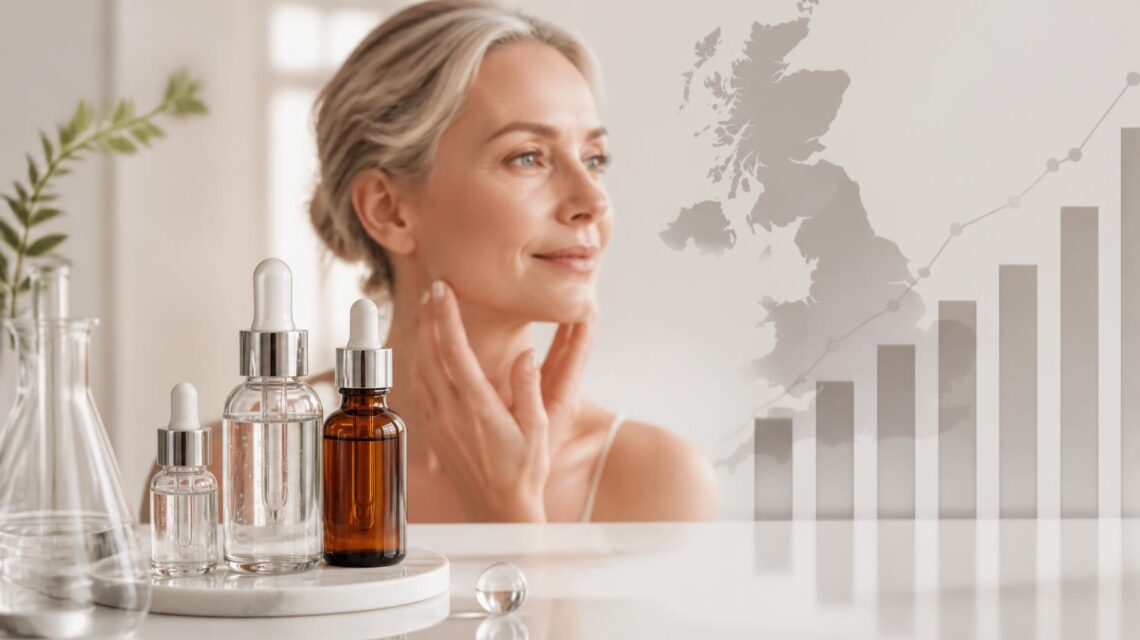
The UK peptide anti-aging serums market is gaining strong momentum as consumers increasingly seek science-backed skincare solutions that target visible signs of aging. From fine lines and wrinkles to loss of firmness and uneven skin texture, peptide-based serums are becoming a preferred choice for people who want effective, non-invasive skincare products. As beauty buyers in the UK grow more ingredient-aware and results-focused, this market is expected to see continued expansion over the coming years.
Understanding the Rise of Peptide Anti-Aging Serums in the UK
Peptides have become one of the most talked-about ingredients in modern skincare. These short chains of amino acids are known for their role in supporting skin structure, especially by helping maintain proteins such as collagen and elastin. In anti-aging formulations, peptides are widely recognized for their ability to improve the appearance of skin firmness, smoothness, and hydration.
In the UK, the anti-aging skincare category has evolved beyond traditional moisturizers and creams. Today’s consumers are more educated, more digital-savvy, and more willing to invest in premium skincare products that promise visible results. This has created favorable conditions for peptide serums, which are often positioned as advanced, high-performance treatments.
The growing popularity of peptide formulations is also linked to changing beauty routines. Many consumers now follow multi-step skincare regimens and are actively searching for targeted serums that can address specific concerns. This trend has helped peptide anti-aging serums become a staple in both luxury and mass-market skincare lines.
Key Market Drivers Fueling Growth
Several factors are contributing to the expansion of the UK peptide anti-aging serums market. Consumer demand is being shaped by a blend of demographic change, product innovation, and the wider influence of wellness culture.
Increasing Demand for Preventive Skincare
More UK consumers are adopting preventive skincare routines at a younger age. Instead of waiting for visible aging signs to appear, many people in their 20s and 30s are using peptide serums as part of a long-term skin maintenance strategy. This proactive approach is broadening the customer base for anti-aging products.
Growing Awareness of Active Ingredients
Ingredient transparency has become a major purchase driver. Consumers now pay close attention to labels and seek products containing clinically recognized ingredients. Peptides are often grouped with high-performance skincare actives such as hyaluronic acid, retinol, niacinamide, and vitamin C, which enhances their appeal among informed buyers.
Expansion of Premium Skincare
The premium beauty segment continues to perform well in the UK. Peptide serums are frequently marketed as advanced formulations with superior efficacy, allowing brands to position them at higher price points. This premiumization trend supports revenue growth and encourages innovation across the category.
Influence of Social Media and Beauty Experts
Social media platforms, skincare influencers, dermatologists, and beauty editors play an important role in educating consumers about peptide benefits. Product reviews, before-and-after content, and ingredient breakdowns have accelerated market visibility, helping peptide serums move into the mainstream.
Consumer Trends Shaping the Market
The UK peptide anti-aging serums market is being shaped by several important consumer trends that reflect broader changes in the beauty and personal care industry.
- Preference for evidence-based skincare: Shoppers increasingly favor products supported by scientific claims, testing, or dermatologist recommendations.
- Demand for multi-functional products: Consumers want serums that address several concerns at once, such as wrinkles, dryness, dullness, and skin barrier support.
- Shift toward clean and conscious beauty: Many UK buyers are looking for formulations that are cruelty-free, vegan-friendly, and free from certain controversial ingredients.
- Personalized skincare routines: Brands that offer tailored recommendations or customizable regimens are attracting strong consumer interest.
- Focus on skin longevity: Anti-aging is increasingly being reframed as healthy aging, with an emphasis on maintaining skin quality over time rather than simply reversing age.
These trends are pushing brands to develop more sophisticated peptide serum offerings while clearly communicating benefits, texture, compatibility, and expected outcomes.
Product Innovation and Competitive Landscape
Innovation remains central to growth in the peptide anti-aging serum sector. Skincare companies in the UK are introducing products that combine peptides with complementary ingredients to enhance performance and differentiate positioning.
Some of the most common formulation pairings include:
- Peptides and hyaluronic acid for hydration and plumping
- Peptides and retinol for wrinkle-targeting and skin renewal
- Peptides and antioxidants for protection against environmental stressors
- Peptides and ceramides for barrier repair and soothing support
- Peptides and vitamin C for brightening and firmness
Brands are also paying closer attention to texture, absorption, and packaging. Lightweight serums, airless pumps, and minimalistic clinical-style branding are especially popular among UK consumers. These features contribute to the perception of efficacy and premium quality.
The market includes a mix of established beauty corporations, dermocosmetic brands, indie skincare labels, and direct-to-consumer players. Large brands benefit from strong retail distribution and marketing resources, while smaller brands often compete through niche positioning, ingredient storytelling, and digital engagement.
Distribution Channels in the UK Market
The distribution landscape for peptide anti-aging serums in the UK is diverse and increasingly digital. E-commerce has become one of the strongest sales channels, providing consumers with easy access to a wide range of domestic and international brands.
Online Retail Growth
Brand websites, online beauty retailers, pharmacies, and major marketplaces are all contributing to category growth. Online platforms make it easier for shoppers to compare products, read reviews, and learn about ingredients before purchasing. Subscription models and targeted online promotions are also helping drive repeat sales.
In-Store Beauty Retail and Pharmacies
Physical stores remain important, especially for consumers who prefer to test products or seek guidance from beauty advisors. High street retailers, department stores, and pharmacy chains continue to support peptide serum sales through in-store sampling, promotions, and skincare consultations.
Clinics and Professional Skincare Channels
Some peptide serums are marketed through aesthetic clinics, dermatology settings, and professional skincare outlets. This channel helps reinforce the clinical credibility of peptide-based products and may appeal to consumers seeking expert-recommended anti-aging solutions.
Challenges Facing the UK Peptide Anti-Aging Serums Market
Although the outlook is positive, the market also faces a number of challenges. Competition is intense, and brands must work hard to stand out in a crowded anti-aging space.
One major issue is consumer confusion. Skincare shoppers are exposed to a huge number of active ingredients, many of which promise similar benefits. If peptide messaging is not clear and credible, consumers may choose more familiar options such as retinol or vitamin C.
Another challenge is price sensitivity. Peptide serums often carry premium pricing, which can create barriers for budget-conscious shoppers, especially during periods of economic uncertainty. Brands need to justify pricing through clinical data, ingredient quality, and visible results.
Regulatory scrutiny and claim substantiation are also important considerations. As consumers become more knowledgeable, vague anti-aging claims are less effective. Brands that invest in transparent communication and product testing are likely to build stronger trust.
Forecast and Future Outlook
The future of the UK peptide anti-aging serums market appears promising. Rising interest in advanced skincare, continued premiumization, and the growing shift toward targeted treatment products are expected to support long-term demand. As more consumers prioritize effective, non-invasive methods for maintaining youthful-looking skin, peptide serums are likely to remain a high-growth segment.
Several developments are expected to shape the forecast period:
- More advanced peptide technologies designed to improve stability and skin delivery
- Greater product segmentation based on age group, skin type, and concern-specific benefits
- Increased adoption among male consumers as men’s skincare continues to expand
- Stronger sustainability positioning through recyclable packaging and ethical sourcing
- Enhanced personalization using digital diagnostics and AI-driven skincare recommendations
Brands that can successfully combine efficacy, education, and trust are likely to secure a competitive advantage. The winners in this space will be those that understand the UK consumer’s growing expectation for products that are both high-performing and aligned with broader lifestyle values.
Why Peptide Serums Are Becoming a Skincare Essential
Peptide anti-aging serums are increasingly viewed as more than just a trend. They represent the wider transformation of the skincare market toward targeted, ingredient-led, and performance-oriented solutions.