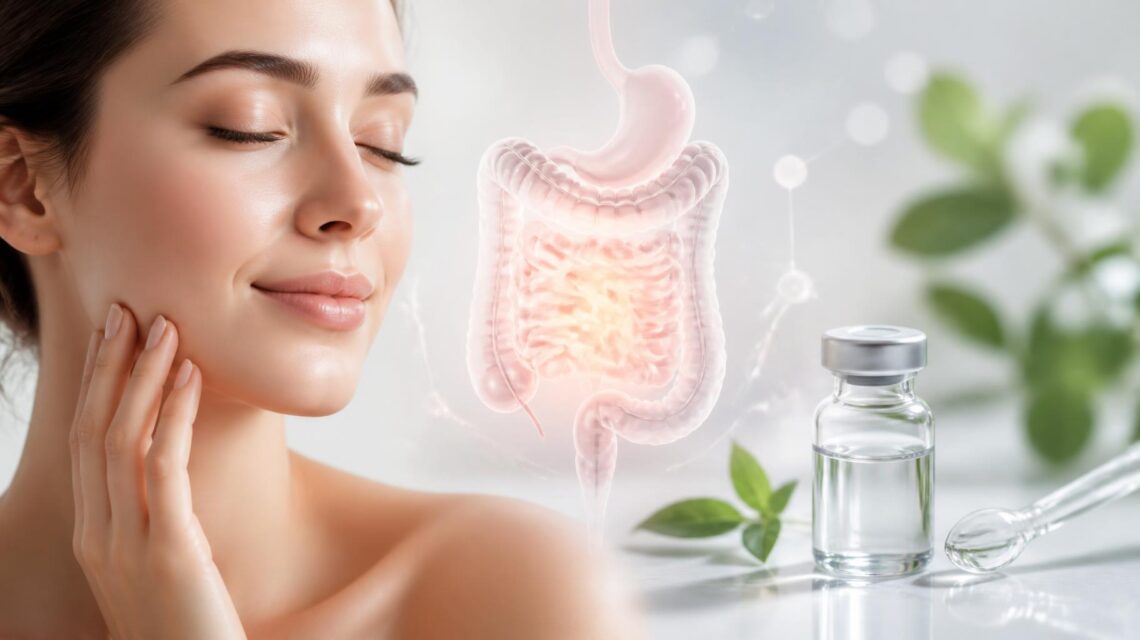
KPV peptide is a short sequence derived from alpha-melanocyte-stimulating hormone, a naturally occurring peptide involved in several biological processes. Interest in KPV has grown among people exploring advanced approaches to gut and skin wellness, largely because early research suggests that it may influence inflammatory pathways, microbial balance, and tissue recovery.
Although KPV is often discussed in the peptide research and wellness communities, it is important to distinguish scientific investigation from proven medical treatment. Much of the available evidence comes from laboratory and preclinical studies rather than large, high-quality human clinical trials. For that reason, KPV should be viewed as an emerging research compound, not a guaranteed solution for digestive or skin concerns.
What Is KPV Peptide?
KPV is a tripeptide made up of three amino acids: lysine, proline, and valine. It represents the C-terminal portion of alpha-melanocyte-stimulating hormone, commonly known as alpha-MSH. Alpha-MSH has been studied for its role in pigmentation, immune signaling, and inflammation.
Unlike the full alpha-MSH molecule, KPV does not appear to produce the same prominent pigment-related effects. Instead, researchers have focused on its potential anti-inflammatory activity. Laboratory findings suggest that KPV may interact with cellular signaling pathways associated with inflammatory responses, including pathways involving nuclear factor kappa B, or NF-kB.
This potential has led to interest in KPV for conditions involving irritation or inflammation of the skin and gastrointestinal tract. However, more research is needed to determine how KPV behaves in humans, how it should be delivered, and whether it can provide meaningful benefits in real-world clinical settings.
Potential Benefits of KPV for Gut Wellness
May Help Regulate Inflammatory Signaling
Inflammation is a normal immune response that helps protect the body. Problems may arise when inflammatory activity becomes excessive, prolonged, or poorly controlled. In the digestive system, ongoing inflammation can affect the intestinal lining, alter comfort, and interfere with normal gut function.
Preclinical research has explored whether KPV can reduce the release of certain inflammatory molecules. These findings have created interest in its possible role in supporting a more balanced intestinal environment. KPV is not an established treatment for inflammatory bowel disease, irritable bowel syndrome, or other digestive disorders, but its proposed effect on inflammatory signaling remains an important area of study.
May Support the Intestinal Barrier
The intestinal barrier is a protective layer made up of intestinal cells, mucus, immune components, and beneficial microorganisms. This barrier helps nutrients pass through while limiting the movement of unwanted substances into the body.
When the gut lining is irritated or compromised, researchers often examine changes in tight junctions, which help hold intestinal cells together. Early experimental work suggests that KPV may support processes involved in maintaining or restoring intestinal barrier function. If confirmed through human studies, this could be relevant to broader digestive health and immune balance.
It is important to note that phrases such as leaky gut are often used broadly online and may not describe a specific diagnosis. Anyone experiencing persistent abdominal pain, blood in the stool, unexplained weight loss, or ongoing changes in bowel habits should consult a qualified healthcare professional for proper evaluation.
Possible Effects on Gut Microbial Balance
The gut microbiome includes trillions of microorganisms that influence digestion, immune activity, and interactions with the intestinal lining. Inflammation and changes in the gut environment can affect the composition and behavior of these microbes.
Some laboratory research has investigated whether KPV may influence the relationship between intestinal inflammation and microbial activity. This does not mean that KPV is a probiotic or that it can replace dietary fiber, fermented foods, or clinically recommended treatment. Instead, it highlights a possible area where KPV could interact with existing biological systems.
A balanced approach to gut wellness should still include adequate hydration, regular movement, sufficient sleep, and a varied diet containing fiber-rich foods such as vegetables, fruits, legumes, and whole grains, when tolerated.
Potential Benefits of KPV for Skin Wellness
May Calm Skin-Related Inflammation
Skin inflammation may appear as redness, sensitivity, dryness, itching, or irritation. It can be associated with environmental exposure, a weakened skin barrier, allergic reactions, acne-related processes, or inflammatory skin conditions.
Because KPV is connected to alpha-MSH-related signaling, researchers have studied whether it may help moderate inflammatory responses in skin cells. Early laboratory findings suggest that KPV could influence the production of inflammatory mediators. This has prompted interest in topical formulations designed for targeted skin application.
However, evidence remains preliminary. KPV should not be considered a replacement for established care for eczema, psoriasis, rosacea, acne, or infections. A dermatologist can help identify the underlying cause of skin symptoms and recommend treatments supported by stronger clinical evidence.
May Support the Skin Barrier
A healthy skin barrier helps retain moisture and protects against irritants, allergens, pollutants, and microorganisms. When the barrier is disrupted, the skin may become dry, tight, flaky, or more reactive.
Research into KPV has included its potential role in tissue repair and barrier support. Although these findings are encouraging, the outcome of a topical product may depend on several factors, including concentration, formulation, stability, absorption, and the condition of the skin.
Basic barrier-supportive skincare remains essential. Gentle cleansing, regular moisturising, and daily broad-spectrum sunscreen use may offer more dependable benefits than relying on an emerging peptide alone.
Interest in Acne and Irritated Skin
Acne involves several processes, including excess oil production, blocked pores, changes in skin bacteria, and inflammation. Since KPV has been studied for its potential effects on inflammatory pathways, some skincare researchers are exploring whether it may be useful in products intended for blemish-prone or reactive skin.
At present, there is not enough clinical evidence to confirm KPV as an effective acne treatment. It should not replace ingredients or therapies recommended by a healthcare professional, such as benzoyl peroxide, retinoids, azelaic acid, antibiotics, or other appropriate options.
How KPV Is Commonly Discussed
KPV may be mentioned in connection with topical creams, laboratory research, or non-approved wellness products. The route of administration can significantly affect how a peptide is absorbed and how it acts in the body. Products applied to the skin are not automatically equivalent to products administered through other routes.
People considering a KPV product should pay attention to:
- Whether the product is intended for research, cosmetic, or medical use
- Ingredient quality, testing, storage, and manufacturing standards
- Clear directions and warnings provided by the manufacturer
- Potential contamination, inaccurate labelling, or uncertain potency
- Advice from a qualified healthcare professional
Products marketed for injection or internal use require particular caution. Unapproved injectable peptides may carry risks related to sterility, dosing errors, allergic reactions, interactions, and contamination. Never use an injectable product without appropriate medical supervision.
Safety Considerations and Possible Side Effects
The complete safety profile of KPV in humans has not been established. The risks may vary depending on how the peptide is prepared and administered. Possible concerns with topical use may include redness, burning, itching, dryness, or contact dermatitis. With products used internally or by injection, the potential risks may be broader and less predictable.
Anyone who is pregnant or breastfeeding, has a chronic illness, takes prescription medication, or has a history of severe allergies should seek medical advice before considering any peptide product. A healthcare professional can help assess whether symptoms require diagnosis rather than experimental supplementation.
Stop using a product and seek medical care if severe swelling, difficulty breathing, widespread rash, intense pain, or other serious symptoms develop.
What the Research Says About KPV Peptide
The most promising KPV findings currently come from cell studies and animal models. These studies can help researchers understand mechanisms and identify possible therapeutic directions, but they cannot confirm that the same effects will occur in people.
More human research is needed to clarify the potential benefits of KPV, including appropriate dosing, delivery methods, long-term safety, interactions with medications, and effectiveness for specific health conditions. Until larger controlled studies are available, claims that KPV can heal the gut, cure inflammation, reverse skin disease, or provide guaranteed anti-aging results should be treated with caution.
Final Thoughts on KPV for Gut and Skin Wellness
KPV peptide is an emerging compound being investigated for its potential influence on inflammation, intestinal barrier function, microbial interactions, and skin health. Its biological background makes it an interesting subject for research, particularly for conditions involving irritation and immune signaling.
Still, potential is not the same as proven effectiveness. KPV is not a substitute for medical diagnosis, evidence-based treatment, a balanced diet, or a consistent skincare routine. Anyone interested in using KPV should review the risks and benefits with a qualified healthcare professional and choose products only from reputable, transparent sources.