Recovery is a major goal for athletes, active adults, and people managing age-related changes in strength, sleep, or physical resilience. As interest in peptide therapies continues to grow, hexarelin is often discussed for its potential effects on growth hormone release, tissue repair, and post-exercise recovery. However, understanding what hexarelin may do requires separating early research from proven medical benefits.
Hexarelin is a synthetic peptide that belongs to a class of compounds known as growth hormone secretagogues. These substances are designed to stimulate the body’s release of growth hormone rather than supply growth hormone directly. Although early studies have explored its biological activity, hexarelin is not an approved treatment for general recovery, muscle building, anti-aging, or sports performance in many countries. Its use may also carry risks, particularly when obtained outside regulated medical channels.
What Is Hexarelin?
Hexarelin, sometimes identified by the research code name examorelin, is a growth hormone-releasing peptide. It acts primarily on receptors associated with the release of growth hormone from the pituitary gland. In simple terms, it may encourage the body to produce and release more of its own growth hormone for a limited period.
Growth hormone is involved in several important processes, including the regulation of metabolism, maintenance of lean tissue, bone health, and the production of insulin-like growth factor 1, commonly known as IGF-1. These functions help explain why compounds that influence growth hormone have attracted attention in areas such as recovery, body composition, and healthy aging.
It is important to remember that a change in growth hormone levels does not automatically translate into better healing, greater strength, or improved athletic performance. The body’s hormone systems are complex, and the results observed in laboratory or clinical research may not apply to recreational use.
Why Is Hexarelin Discussed for Recovery?
Recovery involves much more than muscle repair. It includes the restoration of energy, connective tissue, nervous system function, sleep quality, and normal performance after physical stress. Since growth hormone contributes to tissue maintenance and repair, researchers have investigated whether growth hormone secretagogues could support some aspects of recovery.
Potential areas of interest include:
- Support for the body’s natural growth hormone response
- Possible involvement in muscle and connective tissue repair
- Recovery from training-related physical stress
- Potential effects on sleep-related hormone patterns
- Support for maintaining lean body mass in specific medical settings
These potential benefits remain areas of investigation. Evidence for hexarelin specifically is limited compared with the amount of promotional material found online. Many claims are based on animal studies, small human studies, or indirect evidence from other growth hormone secretagogues.
Potential Benefits Under Investigation
Influence on Growth Hormone Release
The most established biological action of hexarelin is its ability to stimulate growth hormone release. Research has suggested that it can produce a pronounced response under certain conditions. However, the size and duration of that response may vary according to age, sex, existing hormone levels, dosing schedule, health status, and other medications.
More growth hormone is not necessarily better. Hormone levels naturally rise and fall throughout the day, especially during sleep. Artificially altering this pattern may produce unpredictable results, and long-term outcomes are not well established for people using hexarelin outside a controlled research environment.
Muscle and Physical Recovery
Because growth hormone and IGF-1 are involved in tissue maintenance, hexarelin is sometimes promoted as a way to support muscle recovery after resistance training or intense exercise. Some users report improvements in training tolerance or recovery time, but personal anecdotes cannot establish effectiveness.
There is not enough high-quality evidence to confirm that hexarelin reliably increases muscle mass, improves strength, or accelerates recovery in healthy adults. Nutrition, sleep, training design, injury management, and appropriate medical care remain much better-supported foundations for recovery.
Connective Tissue and Injury Repair
Tendons, ligaments, cartilage, and other connective tissues often recover more slowly than muscle. This has led to interest in whether growth hormone-related pathways could influence collagen production or tissue remodeling.
Although biological mechanisms make this topic worthy of research, it would be inappropriate to describe hexarelin as a proven treatment for tendon injuries, ligament damage, joint pain, or post-surgical healing. A suspected injury should be assessed by a qualified healthcare professional. Relying on an unapproved peptide could delay diagnosis or appropriate rehabilitation.
Sleep and General Well-Being
Growth hormone release is closely linked to deep sleep, and poor sleep can interfere with physical recovery, mood, immune function, and exercise performance. Some people are interested in hexarelin because of its possible relationship with growth hormone patterns during rest.
However, there is no reliable evidence that hexarelin is a safe or consistent sleep treatment. Sleep problems may be caused by stress, sleep apnea, medication, pain, mood disorders, or other medical conditions. Addressing the underlying cause is more effective and safer than attempting to manipulate hormones without supervision.
What Does the Research Say?
Early research on hexarelin has examined its effects on growth hormone secretion and related physiological pathways. Some studies have reported that it can stimulate growth hormone more strongly than certain earlier compounds in the same category. Researchers have also investigated its possible cardiovascular and metabolic effects.
Nevertheless, important limitations remain. Studies may involve small sample sizes, short follow-up periods, or highly selected participants. Research findings may also concern hormone measurements rather than meaningful outcomes such as faster return to sport, fewer injuries, improved mobility, or better quality of life.
For a recovery product to be considered well established, researchers would need robust clinical trials showing consistent benefits and acceptable long-term safety. At present, the evidence does not support treating hexarelin as a proven recovery therapy for the general public.
Possible Risks and Side Effects
Any compound that affects hormone signaling may cause unwanted effects. Potential concerns associated with growth hormone secretagogues may include:
- Headache, nausea, or dizziness
- Water retention and swelling
- Joint discomfort or muscle aches
- Changes in blood glucose or insulin sensitivity
- Increased appetite
- Fatigue or changes in sleep
- Changes in blood pressure or fluid balance
- Injection-site irritation when administered by injection
There may also be more serious concerns. Excessive or prolonged growth hormone activity can affect glucose regulation and may contribute to abnormal tissue growth. People with diabetes, prediabetes, cancer, heart disease, uncontrolled hypertension, sleep apnea, or pituitary disorders may face additional risks.
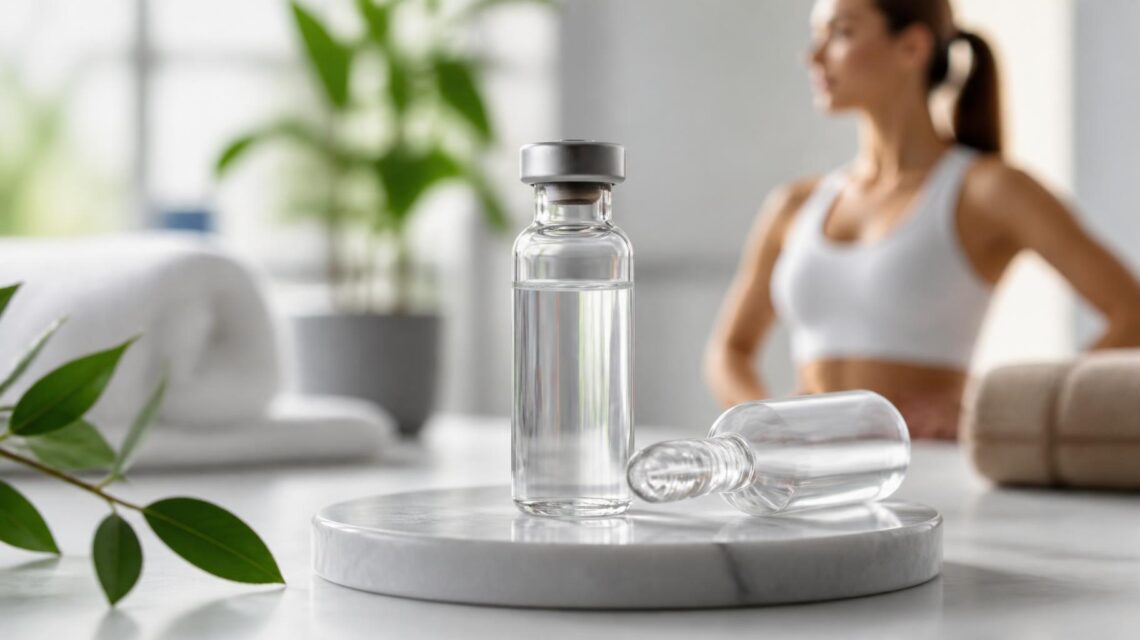
The quality of the product is another major issue. Hexarelin sold online may be labeled for research use only and may not be manufactured under pharmaceutical standards. Products can be contaminated, incorrectly dosed, mislabeled, or entirely different from what the packaging claims. A sterile-looking vial does not guarantee safety.
Is Hexarelin Legal or Approved?
Regulations vary by country, but hexarelin is generally not an approved prescription treatment for routine recovery, athletic enhancement, or anti-aging. It may be restricted to scientific research, and its status can differ between sports organizations and national authorities.
Athletes should check the current rules of their governing body before considering any peptide. Growth hormone secretagogues may be prohibited in competitive sport, and testing policies can change. A substance being available online does not mean it is legal, medically appropriate, or permitted in competition.
Safer Ways to Improve Recovery
Most recovery goals can be addressed with strategies supported by stronger evidence. These include:
- Consistent, high-quality sleep with a regular schedule
- Adequate protein and total calorie intake
- Carbohydrate replenishment after demanding exercise
- Progressive training with planned rest days
- Strength and mobility work appropriate to current ability
- Hydration and replacement of electrolytes when necessary
- Professional assessment of persistent pain or reduced performance
- Stress management and treatment of underlying sleep problems
Supplements such as protein powder or creatine may be appropriate for some people, but they should still be selected carefully and discussed with a healthcare professional when medical conditions or medications are involved.
Questions to Discuss With a Healthcare Professional
Anyone considering hexarelin should speak with a qualified clinician before using it. Useful questions include:
- Is there a diagnosed medical reason to consider hormone-related treatment?
- Could an existing condition make growth hormone stimulation unsafe?
- Should blood glucose, IGF-1, thyroid function, or other markers be tested?
- Are there safer and better-studied options for the recovery goal?
- Could the substance interact with current medication or affect sports eligibility?
A clinician can also help determine whether slow recovery is related to overtraining, inadequate nutrition, iron deficiency, hormonal disease, sleep apnea, depression, or an untreated injury.
Final Thoughts on Hexarelin for Recovery
Hexarelin is an interesting research peptide because of its ability to influence growth hormone release. This mechanism has created interest in muscle recovery, connective tissue repair, sleep, and healthy aging. However, potential biological activity is not the same as proven clinical benefit.
At this time, hexarelin should not be viewed as a guaranteed recovery solution or a risk-free performance aid. Its long-term safety, optimal use, product quality, and effectiveness for healthy adults remain uncertain. Anyone considering it should prioritize evidence-based recovery habits and obtain individualized medical advice before making a decision.