Thinning hair can feel frustrating, confusing, and deeply personal. Whether you are noticing a widening part, more shedding in the shower, or a ponytail that seems less full than it used to, it is natural to start looking for solutions. One category drawing growing attention is peptides for hair growth. These ingredients are showing up in scalp serums, shampoos, and professional treatments, often marketed as a science-backed way to support healthier, fuller-looking hair.
But can peptides really help with thinning hair? The short answer is that they may play a supportive role, especially when used as part of a broader hair-care plan. Still, they are not a miracle cure, and results depend on the cause of hair thinning, the specific formula, and consistency of use.
Below, we break down what peptides are, how they may help the scalp and hair follicles, what dermatologists generally want people to know, and how to use them realistically.
What Are Peptides?
Peptides are short chains of amino acids, which are the building blocks of proteins. Since hair is made largely of keratin, a structural protein, peptides are often included in products designed to strengthen hair fibers or support the scalp environment where hair grows.
In skin care, peptides are already well known for helping support collagen and improving the appearance of aging skin. In hair care, the idea is similar: certain peptides may help signal or support biological processes associated with stronger, healthier hair growth.
Depending on the formula, peptides may be used to:
- Support the scalp barrier
- Improve hydration around the follicle
- Reduce breakage in the hair shaft
- Help create a healthier environment for hair growth
- Work alongside other active ingredients aimed at shedding and thinning
Can Peptides Help Thinning Hair?
Peptides may help with thinning hair, but they are best viewed as supportive rather than curative. Dermatologists often point out that hair loss has many causes, including genetics, hormonal shifts, nutrient deficiencies, stress, illness, inflammation, and certain hair-care practices. Because of that, no single ingredient works for everyone.
That said, some peptide-based products may be beneficial in a few important ways. They can help improve the condition of the scalp, support the hair fiber itself, and in some cases may encourage follicles to remain in a healthier growth cycle. If your hair looks thinner partly because of breakage or scalp stress, peptides may be especially useful.
For people dealing with more significant or ongoing hair loss, peptides may be one piece of a larger treatment strategy that may also involve medical evaluation, prescription options, minoxidil, lifestyle changes, or treatment of underlying health issues.
How Peptides May Support Hair Growth
1. They May Help Strengthen Existing Hair
One of the more immediate benefits of peptide-containing products is that they may help hair feel stronger and look healthier. While that does not necessarily mean new hair will sprout quickly, it can reduce the appearance of thinning caused by fragile strands snapping or shedding prematurely from damage.
Healthier-looking hair often appears fuller, shinier, and more resilient, which can make a noticeable cosmetic difference.
2. They May Support the Scalp Environment
A healthy scalp is essential for healthy hair. Some peptides are included in formulas designed to calm, balance, and hydrate the scalp. When the scalp is irritated, dry, or inflamed, hair growth can be negatively affected. By supporting the skin barrier and improving comfort, peptide products may help create better conditions for follicles.
This is especially relevant for people who use heat styling often, color their hair, or deal with scalp sensitivity.
3. They May Help Signal Follicle Activity
Certain peptides are thought to have signaling functions, meaning they may influence how cells behave. In hair-care marketing, this often translates to claims that peptides help encourage the follicle to stay in the anagen, or growth, phase longer. While this area is promising, the evidence varies depending on the exact peptide and formula used.
Some research on specific peptide complexes suggests potential benefits, but dermatologists generally caution that more robust, large-scale studies are still needed.
4. They May Work Well in Combination Formulas
Peptides are often not used alone. Many of the most popular hair-thinning products combine peptides with other ingredients such as:
- Caffeine
- Biotin
- Niacinamide
- Plant extracts
- Growth-supporting botanical blends
- Hydrating agents like hyaluronic acid or panthenol
In these cases, the overall product may offer broader scalp and strand support than peptides alone.
What Dermatologists Usually Emphasize
When discussing peptides for thinning hair, dermatologists typically focus on a few key points: manage expectations, identify the cause of hair loss, and choose evidence-based treatment when needed.
Hair thinning is not one-size-fits-all. If your hair loss is related to hereditary pattern hair loss, postpartum changes, a recent illness, thyroid imbalance, iron deficiency, or traction from tight hairstyles, the best treatment approach may look very different.
That is why experts often recommend paying attention to the bigger picture rather than relying on a trendy ingredient alone.
- Peptides may help support healthier hair and scalp conditions
- They are unlikely to replace proven medical hair-loss treatments in more advanced cases
- Consistency matters, since hair growth is slow and results take time
- A dermatologist can help determine whether your thinning is temporary, progressive, or linked to a medical issue
Who Might Benefit Most From Peptide Hair Products?
Peptide-based hair products may be especially appealing for people who are in the early stages of thinning or who want a noninvasive addition to their routine. They may also be a good fit for those focused on prevention and scalp wellness.
You may be a good candidate if you have:
- Mild thinning or increased shedding
- Hair breakage that makes hair appear less dense
- Scalp dryness or irritation
- An interest in supporting hair health alongside other treatments
- A desire for topical, at-home options
However, if you have sudden hair loss, patchy bald spots, scalp pain, heavy shedding, or noticeable recession that is getting worse, it is wise to seek professional evaluation rather than depending only on cosmetic products.
How to Use Peptides for Thinning Hair
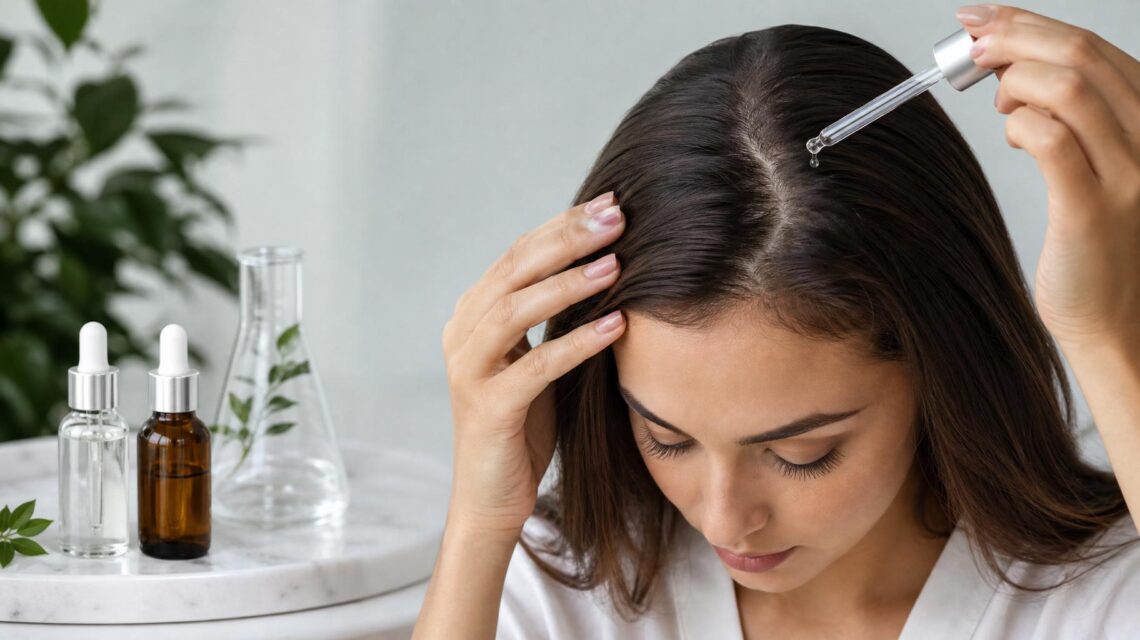
If you want to try peptides, the best approach is to use them consistently and realistically. You will usually find them in leave-in scalp serums, tonics, conditioners, and masks.
Tips for Getting the Most Out of Peptide Hair Products
- Apply directly to the scalp when using a serum, since the follicle area matters more than the hair lengths alone
- Follow the product instructions carefully, especially regarding frequency
- Be patient, because visible changes often take at least several weeks to a few months
- Take progress photos in the same lighting to track subtle improvements
- Pair with gentle hair care to reduce breakage and protect the hair you already have
Supportive habits matter, too. Avoid overly tight hairstyles, minimize excessive heat, eat a balanced diet with adequate protein, and address stress when possible.
How Long Does It Take to See Results?
Hair growth is a slow process, so peptide products are not likely to deliver overnight results. In many cases, people need to use a product consistently for at least 8 to 12 weeks before they can fairly judge whether it is helping. Some may notice softer, healthier-feeling hair sooner, while visible fullness can take longer.
Results also depend on what you are measuring. Reduced breakage and improved hair texture may happen before you see less shedding or more density near the roots.
Limitations of Peptides for Hair Loss
While peptides are promising, it is important to understand where they may fall short. They are not guaranteed to regrow hair in cases of significant follicle miniaturization or advanced pattern hair loss. They also may not correct internal causes of shedding such as low iron, hormonal fluctuations, or autoimmune conditions.