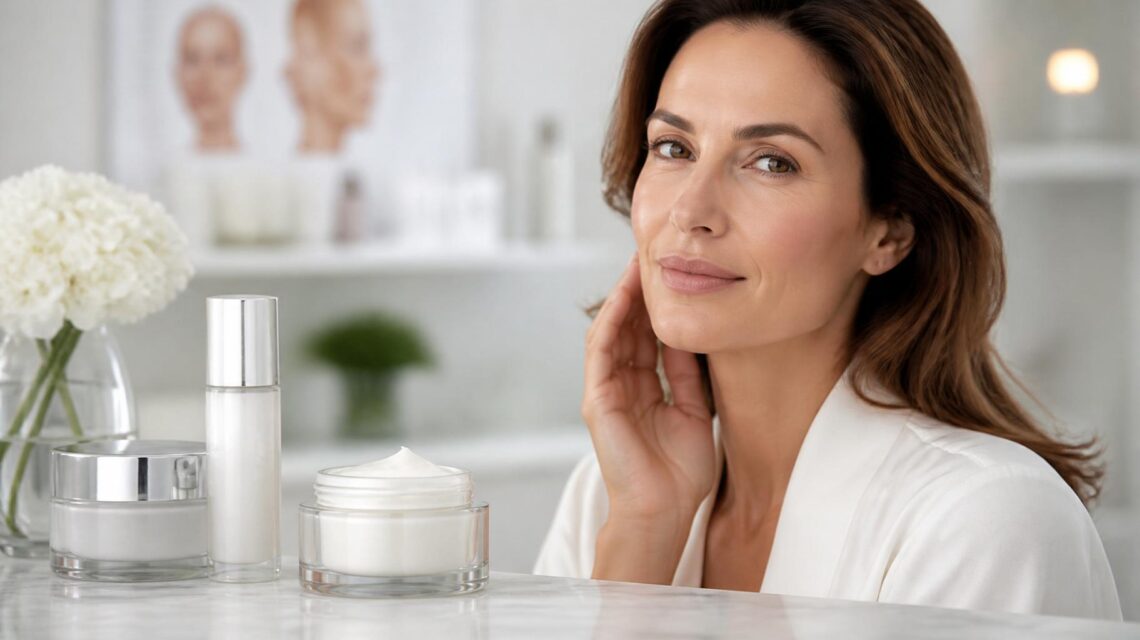
As skin matures, it naturally begins to lose some of the firmness, bounce, and smooth texture it once had. One of the biggest reasons is the gradual decline of collagen, the structural protein that helps keep skin looking plump and resilient. After 35, many people start noticing fine lines, dullness, uneven texture, and a loss of elasticity, which is why collagen creams have become such a popular part of skincare routines.
While no topical product can replace the body’s natural collagen production overnight, dermatologist-recommended collagen creams can play an important role in helping the skin appear firmer, more hydrated, and healthier. The best formulas typically combine collagen-supporting ingredients with moisturizers, peptides, antioxidants, and skin-repairing compounds that improve the look and feel of aging skin.
Why Skin After 35 Needs Extra Support
By the time you reach your mid-30s, the skin’s renewal process starts slowing down. Collagen production decreases, elastin fibers weaken, and hydration levels may drop more quickly than they did in your 20s. Environmental factors such as sun exposure, pollution, stress, and lifestyle habits can accelerate these visible changes.
This is why adding a well-formulated collagen cream to your routine can be beneficial. Rather than relying on collagen alone, many dermatologist-backed creams focus on ingredients that help support the skin barrier, improve moisture retention, and encourage a smoother, firmer-looking complexion.
- Fine lines and wrinkles become more noticeable
- Skin firmness may gradually decline
- Dryness and rough texture can increase
- Dullness may replace a naturally radiant glow
- Skin recovery from irritation or dryness may take longer
What Dermatologists Look For In A Collagen Cream
Not every cream labeled as a collagen cream is equally effective. Dermatologists often recommend formulas that do more than simply include collagen in the ingredient list. Since collagen molecules are generally too large to deeply penetrate the skin, the most effective creams tend to use a broader approach that supports the skin in multiple ways.
Peptides
Peptides are among the most valued ingredients in anti-aging skincare. These small amino acid chains help support the skin’s natural repair process and can improve the appearance of firmness and fine lines over time. Many of the best creams for skin after 35 include peptides because they complement collagen-focused skincare very well.
Hyaluronic Acid
Hyaluronic acid is essential for hydration. As skin matures, keeping it deeply moisturized becomes even more important because dehydration can make fine lines look more prominent. A collagen cream with hyaluronic acid can help the skin look fuller, softer, and smoother.
Retinol And Retinoid Alternatives
Dermatologists often recommend retinol as one of the most proven ingredients for improving the appearance of aging skin. Some collagen creams include retinol, while others use gentler plant-based alternatives for people with sensitive skin. These ingredients can help refine texture and promote a more youthful look.
Antioxidants
Antioxidants such as vitamin C, vitamin E, niacinamide, and green tea extract help protect the skin from oxidative stress. Since free radical damage contributes to visible aging, antioxidant-rich collagen creams can be especially useful after 35.
Ceramides And Barrier-Supporting Ingredients
Healthy skin starts with a strong moisture barrier. Ceramides, squalane, glycerin, and nourishing botanical oils help prevent moisture loss and reduce the dry, tight feeling many people experience as they age.
Best Types Of Dermatologist-Recommended Collagen Creams For Skin After 35
Instead of focusing only on one trending product, it is more useful to understand the categories of creams dermatologists tend to support. This helps you choose a formula that matches your skin type and goals.
1. Peptide-Rich Firming Creams
These are excellent for anyone concerned about early sagging, fine lines, and loss of elasticity. Peptide-rich formulas are commonly recommended because they help give the skin a smoother, firmer appearance without being overly harsh.
These creams are often best for:
- Normal skin
- Combination skin
- Those seeing the first signs of aging
2. Deeply Hydrating Collagen Moisturizers
If your skin feels drier after 35, a rich collagen moisturizer with hyaluronic acid, glycerin, and ceramides can be especially helpful. Hydrated skin naturally looks more supple and radiant, and moisture can temporarily soften the appearance of fine lines.
These creams are often best for:
- Dry skin
- Dehydrated skin
- Mature skin needing barrier support
3. Night Creams With Retinol And Collagen Support
Night creams formulated with retinol, peptides, and moisturizers are often a top choice for those who want visible anti-aging benefits. These products work well overnight when the skin naturally undergoes repair and renewal.
These creams are often best for:
- Fine lines
- Uneven texture
- Dullness and early wrinkles
4. Sensitive Skin Collagen Creams
Not everyone can tolerate strong anti-aging ingredients. Dermatologist-recommended collagen creams for sensitive skin usually avoid heavy fragrance and irritating actives. Instead, they focus on soothing ingredients such as niacinamide, panthenol, aloe, and ceramides.
These creams are often best for:
- Sensitive skin
- Redness-prone skin
- People new to anti-aging skincare
5. Brightening Collagen Creams
Some people over 35 are more concerned about dullness, uneven tone, or sun-related discoloration than wrinkles alone. In those cases, collagen creams with antioxidants and brightening ingredients such as vitamin C or niacinamide can help refresh the complexion.
How To Choose The Right Collagen Cream For Your Skin Type
The right product depends on your skin’s needs. A cream that works beautifully for dry skin may feel too heavy on oily skin, while a potent anti-aging formula may be too strong for someone with sensitivity.
For Dry Skin
Look for richer textures with ceramides, shea butter, squalane, glycerin, and hyaluronic acid. These ingredients help lock in moisture and reduce tightness.
For Oily Or Combination Skin
Choose a lightweight collagen cream or gel-cream that includes peptides, niacinamide, and non-comedogenic hydrators. This can support firmer-looking skin without feeling greasy.
For Sensitive Skin
Pick a fragrance-free formula with soothing and barrier-repair ingredients. Avoid overly aggressive exfoliants if your skin reacts easily.
For Visible Aging Concerns
If your main goals are firmness and wrinkle reduction, consider formulas that combine peptides, retinol, antioxidants, and hydrating ingredients. Multi-tasking creams often deliver the best overall results.
How To Use A Collagen Cream For Best Results
Even the best dermatologist-recommended cream will not do much if it is used inconsistently. Skincare works best when applied regularly and paired with other healthy habits.
- Apply your collagen cream to clean, slightly damp skin
- Use it after serums and before sunscreen in the morning
- At night, apply it as the last step of your routine or after treatment products
- Be consistent for several weeks before evaluating results
- Always wear daily sunscreen, especially if using retinol-based products
Most users notice improved hydration fairly quickly, while firmer-looking skin and smoother texture typically take more time. Visible benefits usually build with regular use.
Can A Collagen Cream Really Boost Collagen?
This is one of the most common skincare questions. Topical collagen creams do not rebuild lost collagen in the same way an in-office dermatology treatment might target deeper layers of the skin. However, that does not mean they are ineffective.
The value of