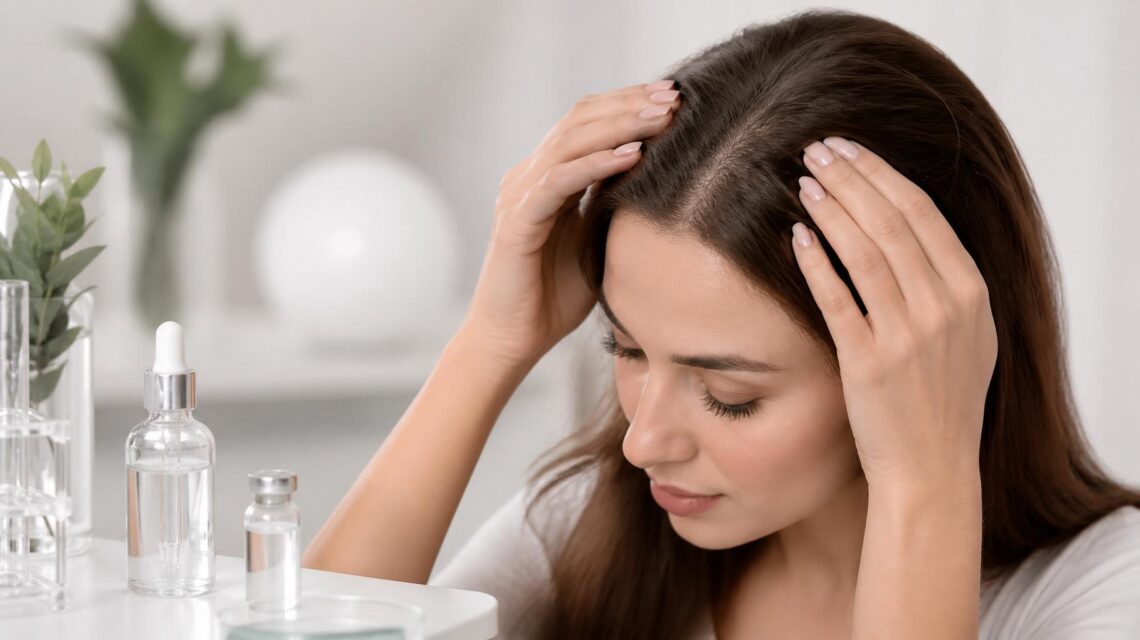
Hair thinning can be frustrating, emotionally draining, and surprisingly complex. While many people immediately think of well-known treatments like minoxidil or prescription medications, a newer category of ingredients is drawing attention in the hair-care world: peptides. These small chains of amino acids are already popular in skin care, where they are used to support firmness, hydration, and repair. Now, they are increasingly being added to scalp serums, shampoos, and leave-in treatments marketed for fuller-looking hair.
But can peptides actually help revive thinning hair, or are they simply another trend dressed up in scientific language? The answer is more nuanced than a simple yes or no. Peptides may offer meaningful support for the scalp and hair-growth environment, but they are not a guaranteed cure for hair loss. Their effectiveness often depends on the type of hair thinning involved, the specific peptide used, and whether the treatment is paired with a broader hair-health strategy.
What Are Peptides and Why Are They Showing Up in Hair Products?
Peptides are short chains of amino acids, which are the building blocks of proteins. Since hair is largely made of keratin, a structural protein, the idea behind peptide-based hair care is appealing: support the proteins and signals that contribute to stronger, healthier growth.
In topical formulas, peptides are often promoted for their ability to help signal repair processes, support the scalp barrier, and potentially improve the condition of hair follicles. Some are designed to encourage a healthier scalp environment, while others are marketed as helping reduce breakage or making hair appear denser over time.
The growing interest in peptides reflects a larger shift in beauty and wellness. Consumers increasingly want products that seem both science-backed and less intimidating than prescription drugs. A peptide serum can feel like a middle ground between basic cosmetic care and medical treatment.
How Peptides May Support Thinning Hair
It is important to understand that peptides are not all the same. Different peptide compounds may work in different ways, and the research behind them varies considerably. That said, several potential benefits make them attractive in the context of thinning hair.
1. Supporting the Scalp Environment
A healthy scalp is essential for healthy hair growth. If the scalp is inflamed, overly dry, irritated, or burdened by product buildup, follicles may not function at their best. Some peptides are included in scalp-care products because they may help soothe the skin and improve the overall environment where hair grows.
When the scalp barrier is supported, it may be better able to retain moisture and resist irritation. While this does not directly regrow hair in the way a medication might, it can remove some of the obstacles that contribute to unhealthy or fragile strands.
2. Encouraging Better-Looking Hair Density
Certain peptide blends are used in cosmetic formulas aimed at improving the appearance of fuller hair. In some cases, they may help strengthen strands, reduce breakage, and make hair feel more resilient. This matters because not all thinning is caused by active follicle loss. Sometimes hair appears thinner because the strands themselves are weaker, more brittle, or more prone to shedding from damage.
If a peptide treatment helps hair remain stronger longer, the overall look may become thicker and healthier, even before dramatic regrowth occurs.
3. Potentially Influencing Follicle Activity
This is the most exciting and most debated area. Some peptides are being studied for their potential role in supporting follicle function and signaling pathways involved in hair growth. Hair follicles cycle through growth, rest, and shedding phases. If a peptide can help encourage follicles to stay in the growth phase longer, or support healthier cycling, it could theoretically aid people experiencing thinning.
However, this is also where expectations need to be realistic. The science is promising in some areas, but it is not universally strong across all over-the-counter peptide products. A serum may contain a peptide, but that does not automatically mean it has the concentration, delivery system, or clinical evidence needed to substantially regrow hair.
What the Research Says
Research into peptides for thinning hair is still developing. Some peptide complexes used in cosmetic and dermatologic products have shown encouraging results in early studies, especially when used consistently over several months. These studies often report improvements in perceived density, reduced shedding, or better scalp health.
Still, the evidence is not yet as established as it is for better-known treatments such as:
- Minoxidil for pattern hair loss
- Finasteride for certain cases of male pattern hair loss
- Medical evaluation for hormonal, nutritional, or autoimmune causes of shedding
That does not mean peptides are ineffective. It means they currently fit best into the category of supportive or complementary care rather than a proven standalone solution for all types of hair loss.
Who Might Benefit Most from Peptide Hair Products?
Peptide-based products may be most useful for people in the early stages of thinning, those with weakened or breakage-prone hair, and individuals interested in improving scalp health as part of a broader routine. They may also appeal to people who are not ready for prescription interventions or who want to support results from other treatments.
You might consider peptide hair care if you are dealing with:
- Mild to moderate thinning
- Hair that breaks easily and looks sparse
- Scalp dryness or irritation
- Post-stress or seasonal shedding support
- A desire to strengthen an existing hair-growth routine
On the other hand, if hair loss is sudden, severe, patchy, or accompanied by itching, redness, scaling, or other symptoms, it is important to see a dermatologist or medical professional. Hair thinning can stem from multiple causes, including thyroid imbalance, iron deficiency, hormonal shifts, autoimmune conditions, and alopecia. In those situations, relying only on a cosmetic peptide product could delay proper diagnosis and treatment.
What to Look for in a Peptide Hair Product
Not every product formulated with peptides is worth the investment. Marketing claims can be impressive, but ingredient quality and formulation matter. When evaluating options, focus on products that are transparent about their active ingredients and intended use.
Key features to consider
- Ingredient specificity: Look for named peptides or peptide complexes rather than vague claims.
- Scalp-focused application: Serums and leave-in treatments may offer more direct contact with follicles than rinse-off shampoos.
- Supportive ingredients: Products may work better when paired with hydrating, soothing, or strengthening ingredients.
- Consistency instructions: Hair-growth support usually requires daily or near-daily use for several months.
- Clinical testing: Brands that reference actual trials or testing data may be more credible than those relying only on buzzwords.
It is also wise to be cautious of exaggerated promises. If a product claims dramatic regrowth in days or guarantees reversal of all thinning, skepticism is warranted.
How to Use Peptides in a Hair-Thinning Routine
If you want to try peptides for thinning hair, think of them as one part of a comprehensive strategy rather than a miracle fix. Most users see the best results when they apply peptide treatments consistently and combine them with habits that protect follicle health.
A practical routine may include:
- Applying a peptide scalp serum as directed, usually once or twice daily
- Using a gentle shampoo that does not overly strip the scalp
- Reducing heat styling and harsh chemical processing
- Eating a balanced diet with enough protein, iron, zinc, and essential nutrients
- Managing stress, which can contribute to shedding
- Seeking medical advice if thinning persists or worsens
Patience is essential. Hair grows slowly, and changes in thickness or shedding often take at least three to six months to become noticeable. Stopping too early is one of the main reasons people assume a product did not work.
Peptides vs Traditional Hair-Loss Treatments
Peptides occupy an interesting middle space in the hair-care market. They are generally more advanced than purely cosmetic volumizing products, but they are not always as rigorously validated as pharmaceutical treatments.
Compared with traditional options, peptides may offer:
- A gentler entry point