If your skin is easily irritated, prone to breakouts, or reacts to seemingly everything, there is one ingredient that keeps earning praise from dermatologists and skincare professionals alike: hypochlorous acid. Once mainly associated with wound care and medical settings, this gentle yet effective compound has become a standout in modern skincare for its ability to support clearer, calmer-looking skin without the harshness of many traditional treatments.
What makes hypochlorous acid especially appealing is its simplicity. It is not a trendy exfoliating acid that strips the skin or an aggressive active that can leave your face red and flaky. Instead, it works with the skin in a far more balanced way, helping reduce visible irritation, refresh the skin surface, and support a healthier skin environment overall. For people dealing with acne, sensitivity, redness, or a compromised skin barrier, that can be a major advantage.
What Is Hypochlorous Acid?
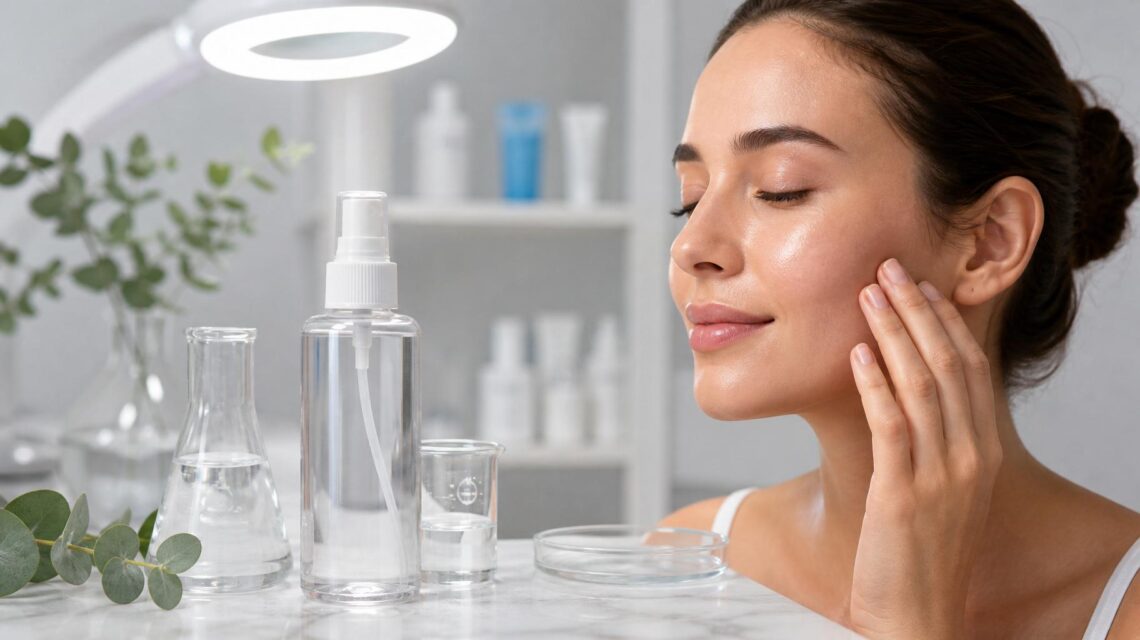
Despite its scientific-sounding name, hypochlorous acid is actually a substance naturally produced by the body. Your immune system creates it as part of its defense response, helping fight off unwanted bacteria and support healing. In skincare, hypochlorous acid is recreated in carefully formulated topical products, usually facial mists or sprays, to deliver those soothing and purifying benefits directly to the skin.
It is important not to confuse hypochlorous acid with harsh household cleaning ingredients. Skincare-grade hypochlorous acid is specifically formulated for topical use and is known for being extremely gentle. That is one reason dermatologists often recommend it for people who cannot tolerate stronger acne-fighting ingredients or who are trying to calm inflammation without causing further irritation.
Why Dermatologists Recommend It for Clear, Calm Skin
Hypochlorous acid has gained a strong reputation because it addresses several common skin concerns at once. It can help purify the skin, reduce the appearance of redness, and support recovery when the skin feels stressed or inflamed. This combination makes it especially appealing to those who want visible results without overwhelming their complexion.
Dermatologists often favor ingredients that are both effective and easy to tolerate, and hypochlorous acid checks both boxes. It is suitable for a wide range of skin types and can fit into routines focused on acne, sensitivity, post-workout cleansing, or barrier repair.
- Helps reduce breakout-causing buildup on the skin surface
- Calms visible redness and irritation without stinging
- Supports the skin barrier rather than stripping it
- Works well for sensitive skin and reactive complexions
- Can be used throughout the day as a refreshing mist
How Hypochlorous Acid Benefits Acne-Prone Skin
One of the biggest reasons hypochlorous acid has become so popular is its usefulness for acne-prone skin. Many acne treatments focus on drying out oil or accelerating skin turnover, which can be effective but often lead to peeling, tightness, and irritation. Hypochlorous acid takes a different approach by helping keep the skin environment cleaner and calmer.
Because breakouts are often made worse by inflammation and bacterial imbalance, hypochlorous acid can be a helpful addition to an acne routine. It is not necessarily a replacement for prescription treatments or tried-and-true acne ingredients like retinoids or benzoyl peroxide, but it can complement them well. In fact, people using stronger active ingredients may find that hypochlorous acid helps offset some of the visible irritation that comes with those treatments.
A Good Option for Reactive Breakout-Prone Skin
For people whose skin is both acne-prone and sensitive, finding the right products can be especially difficult. Ingredients that target blemishes may trigger more redness, while calming products may not do enough for congestion. Hypochlorous acid offers a middle ground. It is refreshing, lightweight, and usually non-sticky, making it easy to use even when your skin feels overwhelmed.
Why It Works So Well for Sensitive and Redness-Prone Skin
Not all skincare ingredients are suitable for people with rosiness, sensitivity, or a damaged moisture barrier. Hypochlorous acid stands out because it is generally well tolerated and does not rely on exfoliation or high potency to deliver benefits. Instead, it supports the skin in a way that feels more restorative than aggressive.
This makes it especially useful after situations that leave the skin stressed, such as over-exfoliation, sun exposure, sweating, shaving, or cosmetic treatments. A few spritzes can leave the skin feeling cleaner and soothed without adding heaviness or causing the stinging sensation that some toners and serums create.
- After exercise to refresh sweaty skin
- After cleansing if your skin feels tight or irritated
- Following shaving to calm the skin
- During travel when skin is exposed to dry cabin air and environmental stress
- As a quick reset during hot, humid weather
How to Use Hypochlorous Acid in Your Skincare Routine
One of the best things about hypochlorous acid is how easy it is to use. Most products come in mist form, which means they can be sprayed directly onto clean skin and left to dry. In many routines, it fits naturally after cleansing and before serums or moisturizers.
Because it is so mild, many people use it more than once a day. Some apply it morning and night, while others keep a bottle on hand for post-gym use, midday refreshment, or after wearing a mask for long periods. It layers well with many other skincare steps and usually does not leave behind residue.
Basic Routine Placement
- Cleanse the skin gently
- Spray hypochlorous acid evenly across the face
- Allow it to air dry
- Follow with hydrating serums, moisturizer, and sunscreen in the morning
If you are already using strong actives, hypochlorous acid can be introduced as a low-risk supportive step. It may be especially helpful on days when your skin feels irritated or when you want to reduce the chance of overdoing your routine.
Can It Be Used With Other Skincare Ingredients?
In general, hypochlorous acid is considered easy to pair with other skincare products. It is commonly used alongside moisturizers, barrier-repair serums, niacinamide, and even prescription acne treatments. Since formulas vary, it is still wise to follow product instructions and avoid overcomplicating your regimen all at once.
If your skin is very sensitive, introduce one new product at a time and keep the rest of your routine simple. The goal is not to overload your skin with every active available, but to build a routine that keeps inflammation low and skin comfortable.
What to Look for in a Hypochlorous Acid Product
As the ingredient becomes more popular, more brands are introducing hypochlorous acid sprays and mists. While many are straightforward, it is still worth checking the label and packaging. Since hypochlorous acid is often formulated in simple solutions, look for products that are designed to maintain stability and are packaged in a way that protects the formula.
When shopping, keep these points in mind:
- Minimal ingredient lists are often a good sign for sensitive skin
- Fragrance-free formulas are ideal if you are prone to irritation
- Fine mist packaging can make application easier and more even
- Clear usage instructions help ensure you get the best results
Who Should Try Hypochlorous Acid?
Hypochlorous acid can be a smart addition for many different skin types, but it may be especially useful if you fall into one of the following categories:
- People with acne-prone skin looking for a gentle supportive step
- Those with sensitive or reactive skin who cannot tolerate harsh treatments
- Anyone dealing with visible redness or post-exercise irritation
- People trying to repair an overworked skin barrier
- Those who want a simple, low