Cam Hanes Responds to Peptide Controversy
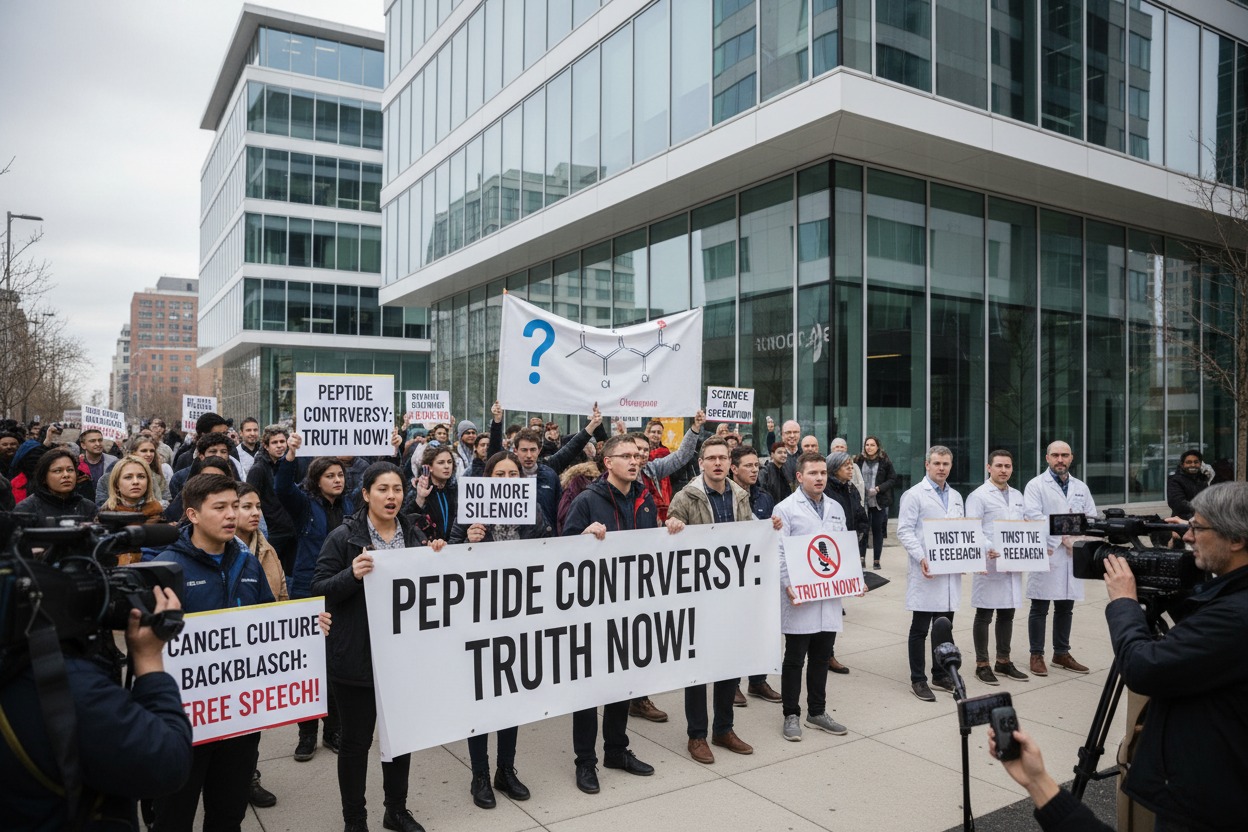
Cam Hanes, a prominent bowhunter, endurance athlete, and motivational figure, has recently found himself at the center of a growing controversy involving the use of peptides. Known for his relentless training regimen, disciplined lifestyle, and outspoken mindset, Hanes has built a massive following across social media and the outdoor community. However, allegations and speculation regarding his use of performance-enhancing substances have triggered a wider debate—one that now intersects with the topic of so-called cancel culture.
The controversy began circulating after online discussions questioned whether Hanes used peptides as part of his training and recovery process. In elite fitness and endurance communities, peptides are often discussed for their regenerative potential, purported fat-burning effects, and ability to support muscle recovery. Yet despite increasing mainstream discussion, they remain a controversial topic tied to ethics, legality, and sports integrity.
Hanes did not shy away from addressing the issue directly. Instead, he confronted the rumors head-on, using his platform to clarify his stance and defend his reputation.
Understanding the Peptide Debate
What Are Peptides?
Peptides are short chains of amino acids that can influence various physiological processes in the body. In fitness and athletic circles, certain peptides are promoted for benefits such as:
- Muscle recovery and repair
- Improved sleep quality
- Enhanced fat loss
- Hormonal regulation
While some peptides are legally prescribed under medical supervision, others remain in regulatory gray areas. In professional sports, specific peptides are banned by organizations like WADA due to their potential performance-enhancing properties.
The broader issue is not only about legality but fairness and authenticity—especially when influencing millions of followers who may attempt to replicate a public figure’s routine.
Why The Accusations Gained Attention
Cam Hanes has long positioned himself as a symbol of extreme discipline. His brand revolves around rigorous training, daily running, heavy lifting, bow practice, and a no-excuses mentality. Because he promotes hard work as the cornerstone of success, even the suggestion of artificial enhancement raised eyebrows among critics.
Social media amplified the discussion. Fitness commentators and podcast clips fueled speculation, while supporters pushed back, arguing that recovery optimization does not negate work ethic.
This digital amplification is central to how modern controversies unfold.
Cam Hanes’ Direct Response
Rather than avoiding the conversation, Hanes addressed the peptide allegations publicly. He emphasized transparency and made it clear that he stands by the hard work he has documented for decades.
Key elements of his response included:
- A reaffirmation of his work ethic
- Clarification about health and recovery practices
- Criticism of online speculation and ‘cancel culture’ dynamics
- A call for personal responsibility and resilience
Hanes argued that recovery is a legitimate focus for high-performance athletes—particularly as they age. He has consistently promoted longevity in training, and his defense framed health optimization as responsible, not deceptive.
Importantly, he also criticized the rapid social media tendency to judge without full context. In his view, much of the backlash stemmed less from verified facts and more from internet outrage cycles.
Cancel Culture and Fitness Influencers
The Speed of Online Judgment
The controversy surrounding Hanes highlights a broader cultural issue: the speed at which public figures are criticized and, in some cases, ‘canceled.’ Social platforms allow narratives to form quickly, often before full details emerge.
For influencers in the health and fitness industry, this creates a delicate balance. Audiences crave authenticity, yet public figures also have private medical and personal considerations. When lines blur, speculation quickly fills the gaps.
Hanes positioned himself not as a victim, but as someone unwilling to bend under social pressure. He suggested that resilience in the face of criticism is essential—not just in training, but in life.
Public Expectations of Authenticity
One reason this controversy resonated strongly is that fitness audiences demand transparency. Influencers often monetize training programs, supplements, coaching, and motivational content. As a result, followers expect honesty regarding factors that contribute to performance.
This expectation becomes complicated when discussions turn toward:
- Hormone replacement therapy
- Biohacking strategies
- Medical recovery protocols
- Age-related performance optimization
In recent years, conversations about testosterone therapy, peptides, and regenerative medicine have become mainstream. Yet stigma remains, particularly among purists who value entirely natural performance.
Hanes’ response underscores a larger shift in how aging athletes discuss longevity and recovery science.
The Broader Impact on the Outdoor Community
Cam Hanes is not only a fitness personality—he is a central figure in the modern bowhunting world. His discipline-driven philosophy has influenced hunters to prioritize conditioning and preparation.
For many supporters, the controversy changes little. They argue that:
- Hanes’ decades of documented training speak for themselves
- Recovery strategies do not erase work ethic
- The outrage reflects cultural polarization more than ethical violation
However, critics maintain that fitness role models hold a responsibility to clearly disclose any substances that may enhance recovery or performance—especially when promoting a “hard work beats talent” narrative.
The divide illustrates how public figures can simultaneously inspire and polarize audiences.
Health Optimization vs Performance Enhancement
One central thread in this debate is the difference between enhancement and optimization.
As athletes age, recovery slows. Hormone levels change. Injury risk increases. Many high-performing individuals explore medical options to sustain training intensity without long-term damage.
Supporters of this approach argue that:
- Health optimization is not cheating
- Longevity requires strategic recovery
- Responsible medical supervision matters
Opponents argue that any chemical assistance undermines claims of purely hard-earned performance.
This gray area makes clear communication critical—especially for influencers whose success is tied to perceived authenticity.
The Role of Media Amplification
Digital media plays a powerful role in controversies like this. Short clips, headlines, and commentary channels thrive on conflict. Nuanced medical discussions often become oversimplified into divisive narratives.
The phrase ‘cancel culture’ itself is polarizing. Some see it as accountability; others see it as mob mentality.
For Hanes, framing the backlash within cancel culture allowed him to reassert his brand identity—resilient, disciplined, and unbothered by criticism. That framing resonates strongly with his audience, many of whom value personal responsibility and mental toughness.
Lessons From the Controversy
Regardless of where one stands, the situation offers valuable insights for influencers and audiences alike.
For Public Figures
- Transparency builds long-term trust
- Addressing controversy directly prevents speculation from growing
- Clear communication about health practices reduces confusion
For Audiences
- Online narratives rarely tell the full story
- Recovery and health science are complex topics
- Critical thinking is essential in viral debates
This controversy reinforces how interconnected modern fitness culture, medicine, and digital influence have become.
What This Means for Cam Hanes Moving Forward
Despite the backlash, Hanes remains a dominant figure in bowhunting and endurance circles. His personal brand—centered around grit, consistency, and pushing limits—appears largely intact.
If anything, the controversy may strengthen loyalty among his core supporters. Audiences who admire his no-excuses mentality see his refusal to capitulate to criticism as aligned with his lifelong message: endure hardship, ignore noise, and stay focused.
However, discussions about peptides, hormone therapy, and recovery enhancement are unlikely to disappear. As more athletes openly share their health optimization strategies, transparency will become even more critical to maintaining credibility.
Final Thoughts
The peptide controversy surrounding Cam Hanes is less about one individual and more about the evolving landscape of performance, health, and internet culture. In an era where biohacking meets branding, the lines between discipline, medical science, and public perception are increasingly blurred.
Hanes’ response demonstrates the power of confronting criticism directly. Whether one views peptides as legitimate recovery tools or problematic shortcuts, the conversation reflects broader cultural tensions about authenticity, aging, and accountability.
Ultimately, the debate underscores a simple truth: in the age of social media, reputation is shaped not only by actions—but by how those actions are explained, defended, and understood.