Understanding BAC Water
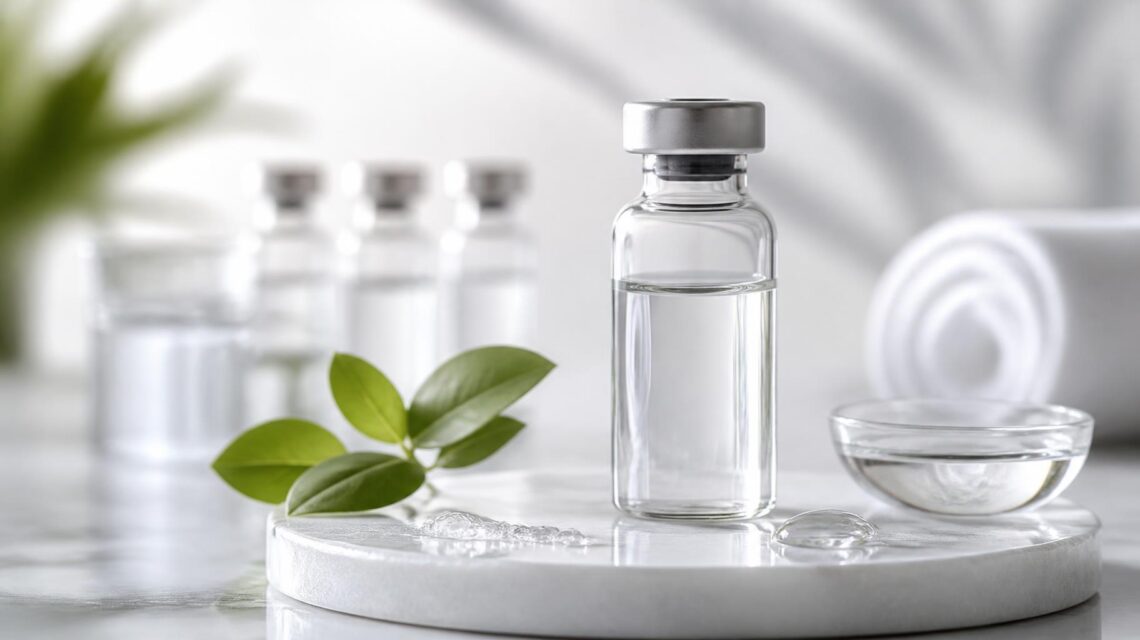
BAC water, short for bacteriostatic water for injection, is a sterile water-based solution that contains a small amount of benzyl alcohol as a preservative. It is commonly used by licensed healthcare professionals and pharmacies to dilute or reconstitute certain injectable medications. In peptide-related discussions, BAC water is often mentioned because some prescription or compounded peptide products may require a compatible diluent before use.
However, BAC water is not a peptide, supplement, treatment, or wellness product by itself. It does not improve energy, support weight loss, increase muscle mass, or produce anti-aging effects. Its role is limited to serving as a diluent when a medication’s official instructions specifically allow it.
Understanding what BAC water is, how it differs from sterile water, and why professional guidance matters can help people make safer decisions about peptide wellness goals.
What Does Bacteriostatic Water Mean?
The word bacteriostatic means that the solution contains a preservative intended to inhibit the growth of bacteria under appropriate conditions. BAC water generally contains sterile water and benzyl alcohol, often at a concentration of 0.9 percent, although product labeling should always be checked.
Because of the preservative, a properly manufactured multi-dose vial may be accessed more than once when used according to the product label and applicable healthcare protocols. This does not mean the vial is immune to contamination. Every puncture, storage decision, and handling step can affect sterility.
BAC water is different from ordinary purified, distilled, or drinking water. It is manufactured, packaged, and tested for injectable use. Using non-injectable water in an injectable medication can introduce serious risks, including infection, tissue injury, and unpredictable medication effects.
BAC Water Compared With Sterile Water
BAC water and sterile water for injection are not interchangeable in every situation. Both are designed for medical use, but their formulations and labeling differ.
- BAC water: Contains a preservative, usually benzyl alcohol, and may be supplied in a multi-dose vial.
- Sterile water for injection: Contains no antimicrobial preservative and is generally intended for single-use applications unless the product labeling states otherwise.
- Compatibility: The correct diluent depends on the medication, formulation, route of administration, and manufacturer’s instructions.
- Patient suitability: Some people, including infants and individuals sensitive to benzyl alcohol, may require a preservative-free option.
The presence of a preservative does not automatically make BAC water the better choice. A healthcare professional or pharmacist should confirm which diluent is appropriate for a particular medication.
Why Is BAC Water Mentioned With Peptides?
Some peptide medications are supplied as a powder that must be prepared into a liquid before administration. In clinical settings, a pharmacist or trained healthcare professional may use a specified diluent to prepare the medication according to validated instructions.
Online peptide sellers sometimes promote BAC water alongside products marketed for weight management, muscle development, recovery, or longevity. This marketing can create the impression that BAC water is a standard part of a personal wellness routine. In reality, the appropriate diluent depends on the specific product and its approved or professionally established instructions.
Many products sold online as research peptides are not approved for human use. They may have uncertain identity, concentration, purity, sterility, and storage requirements. Adding BAC water does not make an unapproved product safe, sterile, or suitable for injection.
Important Safety Considerations
Injectable products carry risks even when they are prescribed. Those risks may increase when a medication is obtained from an unverified source or prepared without professional supervision.
Confirm the Product Source
Use medications and medical supplies obtained through a licensed pharmacy or healthcare provider. A legitimate product should have clear labeling, an expiration date, storage instructions, lot information, and directions for use. Avoid vials with damaged seals, unclear labels, unusual discoloration, particles, or missing information.
Check Compatibility
Not every injectable medication or peptide should be diluted with BAC water. Benzyl alcohol may affect certain formulations, and some medications require a particular pH, concentration, or preservative-free diluent. A pharmacist can verify compatibility and identify whether the final preparation is stable.
Understand Sterility Risks
Contamination can occur when a vial is handled incorrectly, when a needle or syringe is reused, or when a vial is stored outside the recommended conditions. Contaminated injectable products may cause skin infections, abscesses, bloodstream infections, or other severe complications.
Never share needles, syringes, or medication vials. Do not use a vial if the seal has been compromised or if the solution looks cloudy, discolored, or contains unexpected particles. Questions about storage, beyond-use dates, or handling should be directed to the dispensing pharmacy.
Consider Benzyl Alcohol Sensitivity
Benzyl alcohol is well tolerated by many adults when used as directed, but it is not appropriate for everyone. It can cause irritation or allergic reactions in some individuals. Products containing benzyl alcohol are generally avoided in neonates and may not be suitable for certain infants or medically vulnerable patients.
Tell a healthcare professional about allergies, pregnancy, breastfeeding, liver disease, kidney disease, and any history of reactions to preservatives before using a product containing benzyl alcohol.
BAC Water and Peptide Wellness Claims
Peptides are a broad category of compounds with different structures, mechanisms, and levels of clinical evidence. Some peptide-based medicines are approved for specific conditions, while others are being studied in clinical research. A product’s use in online wellness communities does not establish that it is effective or safe.
BAC water does not change a peptide’s biological activity or improve its results. It only serves as a diluent when the medication requires one. Claims that a particular BAC water brand enhances peptide performance, accelerates results, or increases absorption should be treated cautiously unless supported by reliable clinical evidence.
For wellness goals such as weight management, recovery, or improved metabolic health, it is important to focus on evidence-based care. A qualified clinician can review medical history, laboratory findings, current medications, nutrition, sleep, physical activity, and realistic treatment options.
Potential Problems With Unregulated Peptide Products
Unregulated injectable peptides may present several concerns:
- Incorrect or inconsistent active ingredient concentrations
- Contamination with bacteria, fungi, endotoxins, or other substances
- Mislabeling or substitution of ingredients
- Unknown stability after dilution
- Inadequate temperature-controlled shipping
- Lack of reliable instructions for storage and administration
- Unclear legal or regulatory status
These concerns cannot be solved simply by purchasing BAC water. A sterile diluent cannot correct a contaminated powder, inaccurate dosing information, or an inappropriate medication choice.
Questions to Ask a Healthcare Professional
Before using BAC water with any injectable medication, consider asking:
- Is this medication approved or appropriately prescribed for my condition?
- Is BAC water specifically compatible with this formulation?
- Would preservative-free sterile water be more appropriate?
- How should the prepared medication be stored?
- How long can the preparation be used after dilution?
- What signs of contamination or adverse reactions should I watch for?
- How should used needles, syringes, and vials be disposed of?
A licensed pharmacist is especially helpful because pharmacists routinely evaluate diluents, medication stability, packaging, storage, and beyond-use requirements.
When to Seek Medical Attention
Seek prompt medical care for increasing redness, warmth, swelling, severe pain, pus, fever, chills, rapidly worsening symptoms, difficulty breathing, facial swelling, or widespread hives after using an injectable product. These may indicate an infection or allergic reaction.
Do not attempt to manage a suspected contaminated injection at home or continue using the product while waiting for symptoms to improve. Bring the vial, packaging, and medication information to the healthcare professional when possible.
The Bottom Line on BAC Water
BAC water is a medical diluent containing sterile water and a preservative, most commonly benzyl alcohol. It may be used with certain injectable medications when the product instructions and a qualified healthcare professional confirm that it is appropriate.
For peptide wellness goals, the most important considerations are not the brand of BAC water but the legitimacy of the medication, the quality of the pharmacy, the evidence supporting the treatment, and safe professional oversight. BAC water does not make an unapproved peptide safe, does not guarantee better results, and should never be used as a substitute for medical guidance.
Anyone considering injectable peptides should speak with a licensed healthcare provider and obtain products through a regulated source. Responsible preparation, accurate information, and careful monitoring are essential parts of safer care.