Understanding Peptide Injections in Modern Skincare
In the world of cutting-edge skincare, one of the most fascinating breakthroughs is the rise of **peptide injections**—a promising innovation that’s redefining how we approach anti-aging. Once reserved for medical or fitness-related therapies, peptides are now making their mark in the beauty industry, touted for their ability to stimulate collagen, improve elasticity, and rejuvenate tired skin from within.
Unlike traditional creams and serums that only penetrate the skin’s surface, peptide injections work at a **cellular level**, targeting the root causes of skin aging. This new approach has caught the attention of beauty professionals, dermatologists, and skincare enthusiasts alike, as early adopters report visible improvements in texture, tone, and overall youthfulness.
What Are Peptides and How Do They Work?
Peptides are short chains of amino acids, the building blocks of proteins such as collagen and elastin—two essential substances that keep our skin firm, supple, and youthful. As we age, the body’s natural production of these proteins slows down, resulting in wrinkles, fine lines, and sagging skin.
When introduced into the body through injection, **bioactive peptides** can signal skin cells to ramp up collagen synthesis. This not only restores volume and elasticity but can also repair damaged tissues and strengthen the skin barrier.
The Science Behind Peptide Therapy
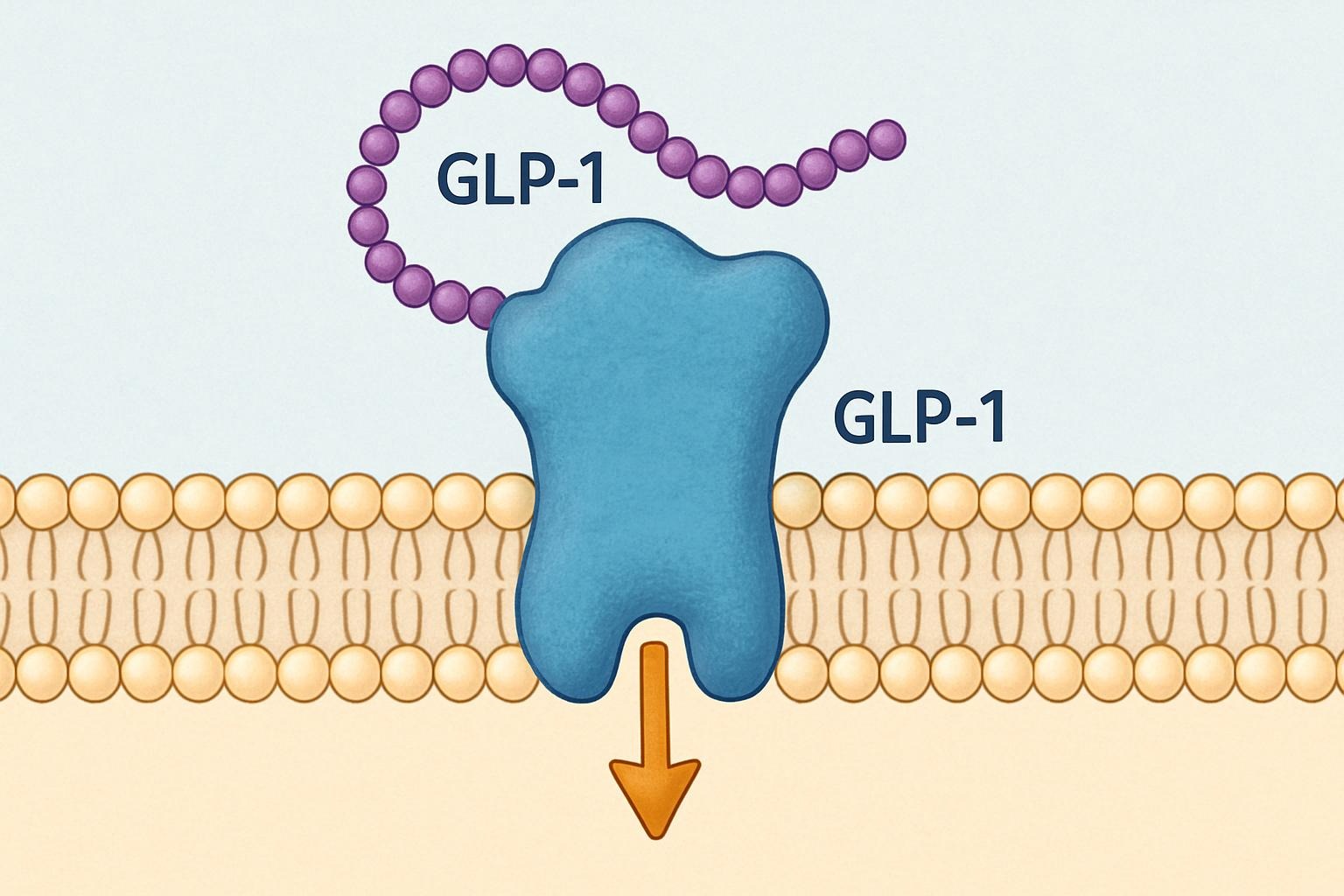
The science is simple but powerful: peptides act as “messengers” between cells. When injected into the dermis, they mimic natural proteins that tell the body to begin regeneration processes. Certain peptides are designed to:
- Boost collagen and elastin production for firmer, smoother skin.
- Inhibit facial muscle movement to reduce the appearance of dynamic wrinkles, similar to the effects of Botox but with a more natural result.
- Improve hydration and repair function by stimulating hyaluronic acid synthesis.
- Reduce inflammation and promote even skin tone.
These effects make peptide injections a multifaceted treatment—addressing not just one sign of aging but **the entire spectrum** of skin rejuvenation.
Why Peptide Injections Are Becoming a Beauty Craze
The growing popularity of peptide injections is no coincidence. They cater to a generation of consumers searching for **non-invasive yet highly effective** anti-aging options. These treatments sit perfectly between topical skincare and surgical procedures, offering tangible results without downtime.
Key Benefits Setting Peptide Injections Apart
- Minimally Invasive: Unlike facelifts or laser treatments, peptide injections involve micro-needles or fine syringes with minimal discomfort or scarring.
- Fast-Acting Results: Some users report improvement in skin texture and plumpness within just a few weeks.
- Natural Rejuvenation: Rather than artificially stretching or paralyzing facial muscles, peptides encourage the body to heal and regenerate itself.
- Versatility: Suitable for the face, neck, décolletage, and even hands—anywhere that shows visible signs of aging.
- Customizable Formulas: Dermatologists can tailor peptide blends to specific skin concerns, from deep wrinkles to sun damage.
Types of Peptides Used in Anti-Aging Injections
Not all peptides are created equal. Different forms target different cellular pathways, and the choice of peptide often depends on a patient’s unique skin profile.
1. Collagen-Boosting Peptides
These peptides directly trigger fibroblast cells to ramp up collagen synthesis. The result is firmer, plumper, and more youthful-looking skin.
2. Copper Peptides
Known for their regenerative properties, copper peptides promote wound healing and help strengthen the skin’s protective barrier. They also have antioxidant benefits that combat environmental stressors.
3. Signal Peptides
These are the “messenger molecules” that tell skin cells it’s time to repair and rebuild. Signal peptides can also enhance skin tone and radiance.
4. Carrier Peptides
Carrier peptides deliver essential minerals, such as manganese or zinc, to skin cells to support enzymatic functions and promote healing.
5. Neurotransmitter Peptides
Designed to relax facial muscles, these peptides reduce fine lines caused by repetitive movement—offering a Botox-like smoothing effect without the stiffness or loss of expression.
The Treatment Experience: What to Expect
Considering peptide injections? Here’s what typically happens during a professional session.
Consultation and Customization
Your dermatologist or licensed aesthetician begins with a skin analysis and a discussion of your goals. Based on your age, skin type, and particular concerns, they recommend a peptide blend tailored to your needs.
Injection Process
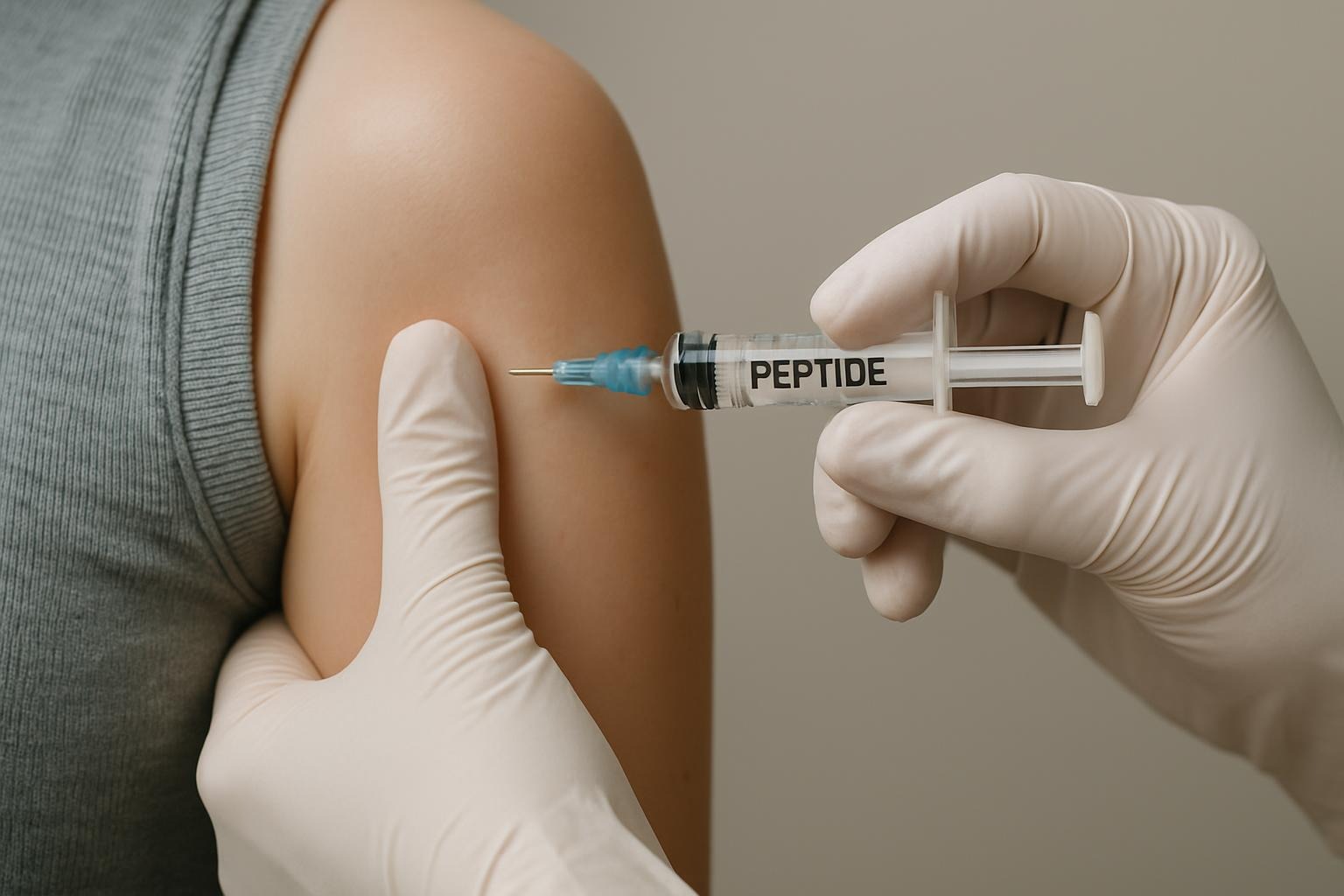
A numbing cream may be applied before the procedure. The treatment involves multiple micro-injections into targeted areas. Each session lasts between **30 to 60 minutes**, depending on the size of the treatment area.
Aftercare and Recovery
Post-treatment, you might notice mild redness or swelling, which usually subsides within 24–48 hours. Your specialist may advise avoiding makeup or strenuous exercise for a day to allow your skin to settle.
Results Timeline
Visible results often appear within **2–4 weeks**, as collagen regeneration is a gradual process. For optimal results, most clients undergo a series of treatments spaced a few weeks apart.
Safety and Considerations
While peptide injections are generally considered safe, they should be administered only by trained professionals to avoid adverse reactions. Always ensure your clinic sources high-quality, pharmaceutical-grade peptides.
Potential side effects are minimal but can include:
- Slight redness or bruising at the injection site.
- Temporary tenderness or swelling.
- Rare allergic reactions if sensitivities exist.
If you’re pregnant, breastfeeding, or on certain medications, consult a healthcare provider before treatment.
Comparing Peptide Injections With Other Anti-Aging Treatments
While peptide injections are making waves, it’s essential to understand how they stack up against other popular anti-aging methods.
- Versus Botox: Botox temporarily paralyzes facial muscles, while peptides encourage natural collagen production. The former offers faster results but can appear less natural.
- Versus Fillers: Fillers add volume under the skin using substances like hyaluronic acid. Peptides, on the other hand, rejuvenate the skin itself, providing a longer-lasting and more organic outcome.
- Versus Topical Creams: While peptide creams improve skin texture gradually, injections deliver ingredients directly to the dermis for faster, more noticeable results.
Cost and Accessibility
Peptide injections are an investment in your skin’s future. Costs vary widely depending on location, clinic reputation, and treatment complexity. On average, sessions can range from **$300 to $1,000** each.
However, many clients see this as a worthwhile expenditure, as the results often last several months and enhance natural radiance without surgery. Increasingly, clinics are offering **membership programs** or **package deals** to make ongoing treatments more accessible.
What Experts Are Saying
Dermatologists praise peptide-based injectables for their **versatility and safety profile**, particularly when compared to more invasive options. Unlike over-the-counter serums, which face challenges penetrating the skin’s protective barrier, injectable peptides deliver active compounds where they can truly make a difference.
Innovative clinics are even combining peptides with **microneedling**, **PRP (platelet-rich plasma)**, or **laser treatments** to amplify results and customize rejuvenation protocols.
Are Peptide Injections Right for You?
Peptide injections are most effective for individuals who are beginning to notice early signs of aging—fine lines, mild sagging, or dullness. They also offer a maintenance solution for those who have already undergone other treatments but want a more natural, incremental renewal.
You may be a great candidate if you:
- Desire subtle yet visible rejuvenation without surgery.
- Have realistic expectations about gradual improvements.
- Value scientifically backed ingredients and professional oversight.
- Want to boost the results of your existing skincare routine.
Final Thoughts: The Future of Anti-Aging Skincare
The evolution of beauty science continues to shift toward **biotechnology and natural regeneration**—and peptide injections perfectly embody that movement. By leveraging the body’s own healing mechanisms, these treatments represent a new era in sustainable, science-backed skincare.
While further research and innovation will undoubtedly refine peptide therapy, its current results are already impressive. For those seeking a bridge between luxury skincare and aesthetic medicine, peptide injections may be the **next-generation solution** that redefines aging gracefully.
As this trend grows, expect to see continued advancements in peptide formulations, making it possible to personalize every treatment to the unique needs of each individual—ushering