Healthy, firm-looking skin depends heavily on collagen, the structural protein that helps keep the complexion smooth, plump, and resilient. As natural collagen production slows with age, many people begin to notice fine lines, reduced elasticity, and a less youthful texture. That is why ingredients that support collagen have become such a major focus in modern skincare.
Among the most talked-about ingredients right now are tripeptides. These small but powerful compounds are gaining attention for their ability to support the skin’s natural repair processes, improve the appearance of fine lines, and promote a smoother, more refreshed look. In the world of anti-aging skincare, tripeptides are emerging as a smart addition to targeted routines.
If you are looking for effective ways to improve skin texture without turning to aggressive treatments, understanding how tripeptides work can help you make better skincare choices. From collagen support to hydration and barrier care, these ingredients offer several benefits that make them worth a closer look.
What Are Tripeptides?
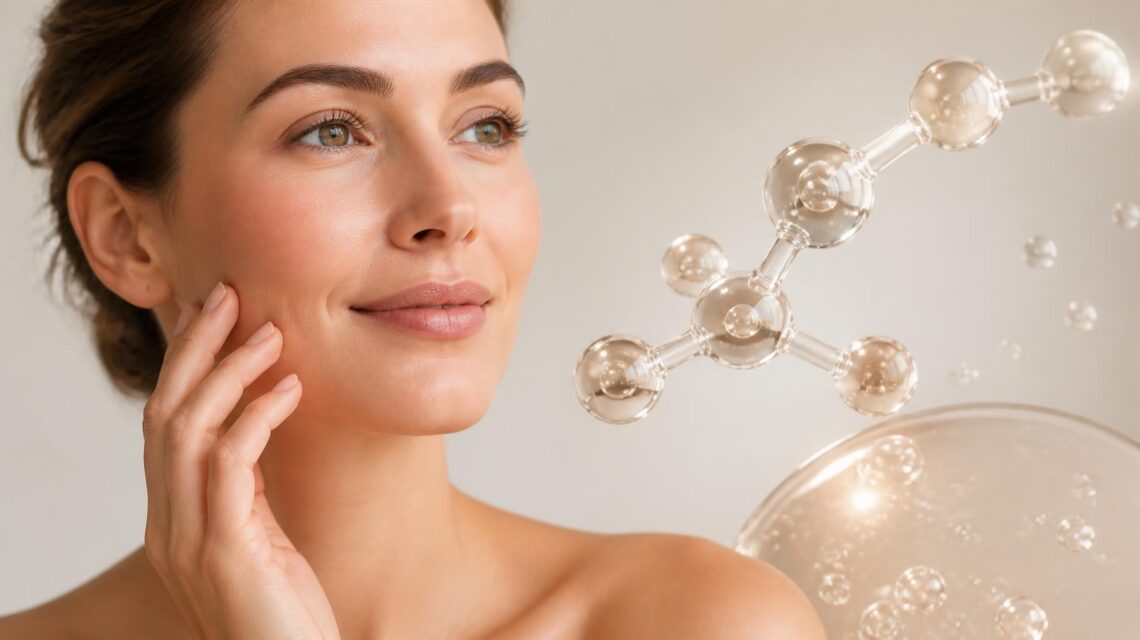
Tripeptides are short chains of three amino acids, which are the building blocks of proteins. In skincare, these peptides are prized because they can act as messengers, signaling the skin to perform specific functions such as producing more collagen or improving repair activity.
Because they are smaller than longer peptide chains, tripeptides are often considered especially useful in cosmetic formulations. Their compact structure can make them easier to incorporate into products designed to target visible signs of aging.
While the word peptide may sound technical, the concept is actually fairly simple. These ingredients help support the skin’s natural communication system. When included in serums, creams, or treatments, they may encourage the skin to behave in a more youthful, balanced way.
Why Size Matters in Peptide Skincare
The effectiveness of a skincare ingredient often depends on how well it can interact with the skin. With tripeptides, their small size is one reason they stand out. Although no ingredient works like magic overnight, a smaller molecular structure may help improve performance in products aimed at softening visible aging.
That makes tripeptides particularly appealing in formulas created to:
- Support collagen production
- Reduce the appearance of fine lines
- Improve skin smoothness
- Enhance firmness over time
How Tripeptides Support Collagen
Collagen is essential for skin strength and elasticity. It gives the skin its supportive framework, helping it remain lifted, supple, and smooth. Over time, factors such as aging, sun exposure, environmental stress, and lifestyle habits can all contribute to collagen breakdown.
Tripeptides are believed to help by signaling the skin to increase its natural support processes. In many skincare products, these peptides are used to encourage collagen synthesis, which may help improve the skin’s appearance over consistent use.
This matters because a boost in visible skin firmness does not simply affect one area. Improved collagen support can contribute to:
- A softer look to fine lines
- Better skin texture
- More elasticity and bounce
- A plumper, healthier-looking complexion
Although results vary depending on the product, formulation, and skin type, collagen-supporting ingredients like tripeptides are popular because they work with the skin rather than simply masking the signs of aging.
Can Tripeptides Really Smooth Fine Lines?
Fine lines are often one of the earliest visible signs of skin aging. They may appear around the eyes, mouth, forehead, and cheeks as the skin loses moisture, support, and flexibility. Since tripeptides are linked to collagen support and repair signaling, they are often included in products designed to address these concerns.
Rather than acting as an instant filler, tripeptides typically work gradually. Over time, they may help the skin look smoother and more refined by supporting its underlying structure. This can lead to a more rested and youthful appearance.
Consistency is key. Most peptide-based skincare products need regular application over several weeks to show visible improvements. People who stick with a routine often report that their skin feels softer, looks fresher, and appears more even in texture.
What Improvements You May Notice
When used as part of a well-rounded skincare routine, tripeptide products may contribute to visible improvements such as:
- Diminished appearance of crow’s feet
- Smoother forehead lines
- Improved skin softness
- A firmer look along the cheeks and jawline
- Better overall radiance
These changes tend to be subtle at first, then become more noticeable with continued use.
Additional Skin Benefits of Tripeptides
While collagen support is the main reason tripeptides are getting so much attention, they may offer additional skincare benefits as well. Many peptide-rich products are designed to help improve the skin’s overall condition, not just target wrinkles.
Depending on the formula, tripeptides may help with:
- Skin barrier support, helping the skin feel less stressed and more balanced
- Hydration retention, which can make fine lines look less pronounced
- Texture refinement, creating a smoother skin surface
- Recovery support, especially when combined with nourishing ingredients
This broader set of benefits makes tripeptides attractive for those who want anti-aging support without overcomplicating their skincare routine.
How to Use Tripeptides in Your Skincare Routine
Tripeptides are commonly found in serums, moisturizers, and eye creams. To get the most out of them, it helps to apply them in a routine that supports skin health overall. A gentle, consistent approach often delivers the best results.
Best Practices for Application
- Apply peptide products to clean, dry skin
- Use them before heavier creams or oils unless the product instructions say otherwise
- Follow with a moisturizer to help seal in hydration
- Use sunscreen daily, since UV exposure contributes to collagen breakdown
Tripeptides often pair well with hydrating and barrier-supporting ingredients. Look for formulas that also include components such as hyaluronic acid, ceramides, glycerin, or soothing botanical extracts.
Ingredients That Work Well Alongside Tripeptides
For a more complete anti-aging strategy, tripeptides can be used with ingredients that support different aspects of skin health. Some of the most common pairings include:
- Hyaluronic acid for hydration and plumping
- Ceramides for barrier protection
- Niacinamide for tone and resilience
- Antioxidants such as vitamin C to help defend against environmental damage
As always, it is wise to introduce new products gradually, especially if you have sensitive skin.
Who Should Consider Tripeptide Skincare?
Tripeptide products can appeal to a wide range of skincare users. They are especially relevant for anyone beginning to see the effects of collagen loss or wanting to take preventive steps before deeper wrinkles develop.
You may want to consider adding tripeptides to your routine if you are dealing with:
- Fine lines and early wrinkles
- Loss of firmness
- Dull or tired-looking skin
- Uneven skin texture
- Age-related dryness
Because peptide products are often seen as gentler than more aggressive resurfacing ingredients, they can be a good option for people who want visible anti-aging support with less risk of irritation.
What to Look for When Choosing a Tripeptide Product
Not all skincare formulas are created equal. If you want to see the most benefit from tripeptides, it is important to choose products that are well-formulated and suited to your skin type.
When shopping, consider the following:
- Ingredient placement: If tripeptides appear higher on the ingredient list, the formula may contain a more meaningful amount
- Packaging: Air-tight and opaque packaging can help protect active ingredients
- Supporting ingredients: Hydrators and soothing ingredients can improve the overall performance of the product
- Skin type compatibility: Choose lightweight serums for oily skin or