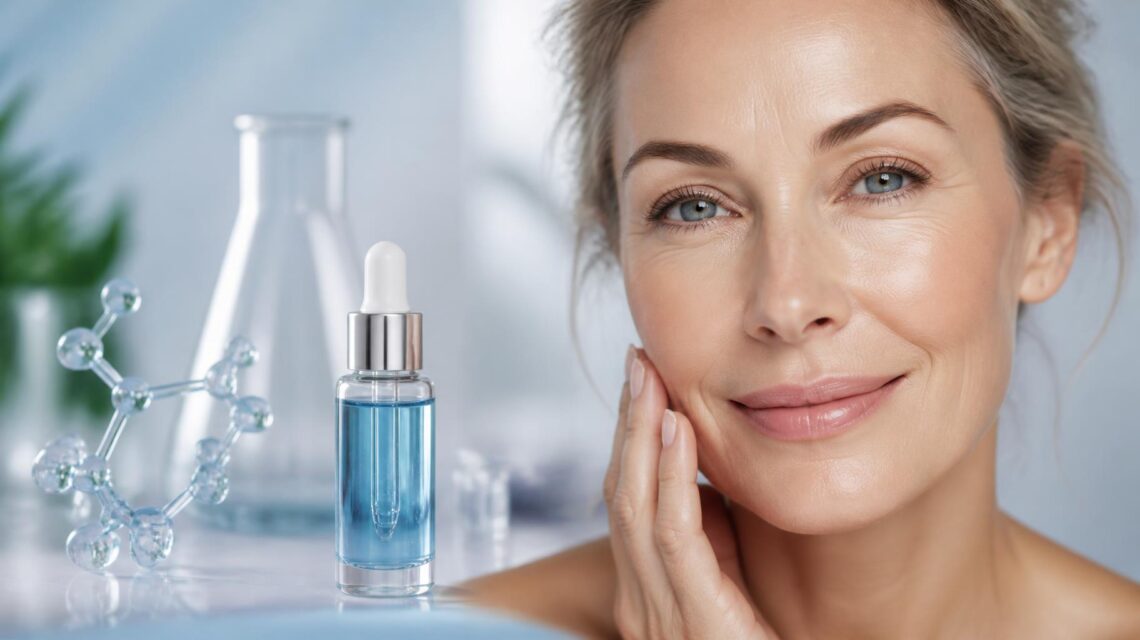
Healthy aging is influenced by many factors, including daily sun protection, nutrition, sleep, stress management, and a consistent skincare routine. In recent years, GHK-Cu has attracted attention as a cosmetic ingredient that may support the appearance of firmer, smoother, and more resilient skin. Often found in serums, creams, and professional skincare formulas, this copper peptide is being studied for its potential role in skin repair and the maintenance of the extracellular matrix.
But what exactly is GHK-Cu, and what can it realistically do for your skin? Understanding the science, benefits, limitations, and safe-use considerations can help you decide whether this ingredient is suitable for your healthy-aging routine.
What Is GHK-Cu?
GHK-Cu is a naturally occurring copper peptide made from three amino acids: glycine, histidine, and lysine. The term GHK refers to the peptide sequence, while Cu indicates that it is bound to copper. Copper is an essential mineral involved in several biological processes, including those associated with connective tissue and skin structure.
Levels of naturally occurring GHK may change with age. This observation has contributed to interest in using GHK-Cu in topical skincare products designed to support mature or environmentally stressed skin. In cosmetic formulations, it is generally used as a skin-conditioning ingredient and is often included in products marketed for firmness, texture, and visible signs of aging.
GHK-Cu is not the same as a traditional exfoliating acid or retinoid. Instead of primarily increasing surface-level cell turnover, it is commonly discussed for its potential to support the skin’s repair environment and extracellular matrix, which includes structural components such as collagen and elastin.
How GHK-Cu May Support Skin Health
Research into GHK-Cu has explored several possible mechanisms. However, laboratory findings and early studies do not always translate into dramatic results in everyday skincare. The strength of the evidence can also vary depending on the product formula, concentration, delivery system, and whether the ingredient is applied topically or used in a clinical setting.
It May Support Collagen and Skin Structure
Collagen helps give skin its firmness and support. As people age, collagen production gradually declines, while repeated ultraviolet exposure, pollution, smoking, and other lifestyle factors can accelerate the visible effects of collagen breakdown.
GHK-Cu has been studied for its possible role in signaling processes related to collagen and other extracellular matrix components. This is one reason it appears in skincare products intended to improve the look of fine lines, laxity, and uneven texture. While a peptide serum cannot replace lost collagen overnight, consistent use may help support a smoother and more conditioned appearance over time.
It May Help Improve the Look of Skin Texture
Skin texture can become rougher or less even due to dehydration, environmental exposure, reduced cell turnover, and changes in the skin barrier. GHK-Cu is often formulated in moisturizing products that help soften and condition the surface of the skin.
Users may notice that skin feels more comfortable, supple, or hydrated when a copper peptide product is paired with other supportive ingredients. These immediate improvements may come from the overall formula, including humectants, emollients, and barrier-supporting ingredients, rather than GHK-Cu alone.
It May Support the Appearance of Skin Recovery
GHK-Cu has been investigated in connection with wound-healing and tissue-repair processes. In cosmetic skincare, this has led to interest in its potential to support skin that looks stressed by dryness, environmental exposure, or signs of aging.
It is important to distinguish cosmetic support from medical wound care. A GHK-Cu serum should not be applied to open wounds, burns, infected areas, or recently treated skin unless a qualified healthcare professional specifically recommends it. Medical injuries require appropriate assessment and treatment.
It May Have Antioxidant and Soothing Potential
Oxidative stress can contribute to the visible effects of environmental aging. Preliminary research has examined whether GHK-Cu may help moderate processes associated with oxidative stress and inflammation. This potential is one reason the ingredient is sometimes positioned as a complement to antioxidant skincare.
However, GHK-Cu should not be considered a replacement for sunscreen or a complete solution for inflammation. Daily broad-spectrum sunscreen remains one of the most effective ways to help prevent premature visible aging caused by ultraviolet radiation.
Potential Benefits of GHK-Cu for Healthy Aging
When used consistently in a well-formulated topical product, GHK-Cu may help support several visible aspects of skin health. Potential cosmetic benefits include:
- A smoother-looking skin texture
- Improved skin softness and comfort
- A more hydrated and supple appearance
- Support for the look of firmness and elasticity
- A reduction in the appearance of fine lines over time
- More resilient-looking skin exposed to everyday environmental stress
Results are usually gradual. Some people may notice improved hydration within days or weeks, while changes related to texture and visible firmness may take longer. Individual outcomes depend on age, skin type, product quality, routine consistency, and the presence of other effective skincare habits.
How to Use a GHK-Cu Skincare Product
GHK-Cu is commonly found in serums, moisturizers, masks, and professional products. To introduce it into a routine, apply the product according to the manufacturer’s instructions. A simple routine may include a gentle cleanser, GHK-Cu serum, moisturizer, and sunscreen during the day.
Introduce It Gradually
Although copper peptides are often considered suitable for many skin types, any new product can cause irritation or sensitivity. Begin with application every other day or a few times per week, particularly if your skin is reactive or you are already using active ingredients.
Apply a small amount to clean, dry skin unless the product directions state otherwise. Follow with moisturizer if needed. During the daytime, finish with a broad-spectrum sunscreen of SPF 30 or higher.
Patch Test Before Full Application
Apply a small amount to an inconspicuous area, such as the inner forearm or behind the ear, and monitor the area for signs of irritation. Redness, itching, burning, swelling, or a rash may indicate that the product is not suitable for you. Stop using it and seek medical advice if a reaction is severe or persistent.
Be Careful When Combining Active Ingredients
There is ongoing discussion about how copper peptides interact with certain highly acidic or oxidizing ingredients. To reduce the risk of irritation or formula instability, many people choose to use GHK-Cu separately from strong exfoliating acids, low-pH vitamin C products, or prescription retinoids.
For example, you might use a vitamin C product in the morning and GHK-Cu in the evening, while using a retinoid on alternate nights. The best approach depends on your skin’s tolerance and the instructions provided by the product manufacturer or dermatologist.
Topical GHK-Cu Versus Injectable Products
Topical GHK-Cu products are applied to the skin and are generally marketed as cosmetic products. Injectable or systemic copper peptide products are a different category and may involve considerably different risks, regulations, and medical considerations.
Claims about injectable GHK-Cu for anti-aging, hair growth, recovery, or general wellness may extend beyond the available evidence. The safety, purity, dosage, and appropriate use of unapproved injectable products can be uncertain. Anyone considering an injectable peptide should speak with a licensed healthcare professional and avoid products from unverified sources.
What GHK-Cu Cannot Do
GHK-Cu can be a useful addition to a broader skincare strategy, but it is not a miracle ingredient. It cannot reverse all signs of aging, permanently tighten loose skin, erase deep wrinkles, or substitute for professional treatment when a medical concern is present.
Its effects may also be difficult to isolate when it is included in a formula containing several other active ingredients. A product that improves the appearance of skin may be helping through a combination of hydration, barrier support, peptides, antioxidants, and consistent use.
Who May Consider GHK-Cu?
Adults interested in a gentle, peptide-based approach to maintaining the appearance of mature or environmentally stressed skin may consider a topical GHK-Cu product. It may be especially appealing to people who want to focus on hydration, skin comfort, and gradual improvements in visible texture.
Those with eczema, rosacea, active dermatitis, allergies, or a compromised skin barrier should introduce new products cautiously. If you are pregnant, breastfeeding, undergoing dermatological treatment, or using prescription medication on the skin, ask a healthcare professional for personalized guidance.
A Practical Healthy-Aging Skincare Routine
GHK-Cu works best as part of a complete routine rather than as a standalone solution. A practical approach may include:
- Gentle cleansing without excessive scrubbing
- A GHK-Cu serum or moisturizer used as directed
- A moisturizer containing barrier-supporting ingredients
- Daily broad-spectrum sunscreen
- A balanced diet, adequate hydration, and sufficient sleep
- Professional advice for persistent redness, unusual lesions, or rapidly changing skin concerns
The Bottom Line on GHK-Cu
GHK-Cu is a copper-binding peptide with promising cosmetic potential for supporting the appearance of healthy, resilient, and aging skin. It may help promote a smoother-looking texture, improved softness, and a firmer appearance when used consistently in a well-designed topical formula.
At the same time, expectations should remain realistic. Evidence continues to develop, and results vary between individuals and products. The most reliable foundation for healthy aging remains daily sunscreen, gentle skincare, healthy lifestyle habits, and professional guidance when needed. Used thoughtfully, GHK-Cu may be a valuable supporting ingredient rather than a standalone anti-aging solution.