Thinning hair can feel frustrating, especially when shelves are packed with products promising fuller, healthier strands. One category getting a lot of attention is peptide serums for thinning hair. These lightweight scalp treatments are often marketed as science-backed solutions that support stronger follicles, reduce shedding, and encourage healthier growth. But do they actually work?
The short answer is that peptide serums may help improve the scalp environment and support healthier-looking hair, but they are not a miracle cure for every type of hair loss. Their effectiveness depends on the cause of thinning, the ingredients in the formula, and how consistently the product is used. To understand whether they are worth adding to your routine, it helps to know what peptides are and how they interact with the scalp and hair follicle.
What Are Peptides in Haircare?
Peptides are short chains of amino acids, which are the building blocks of proteins. Since hair is made primarily of keratin, a structural protein, peptide-based formulas are often designed to support the scalp and strengthen the hair fiber.
In skincare, peptides are already popular for promoting firmer, healthier-looking skin. In haircare, the idea is similar. Certain peptides may send signals that help support the scalp barrier, improve hydration, and create a better environment for hair follicles to function at their best.
It is important to note that peptide serums do not usually regrow hair in the same way prescription or clinically proven medical treatments might. Instead, they are often used as part of a broader hair wellness strategy.
How Peptide Serums May Help Thinning Hair
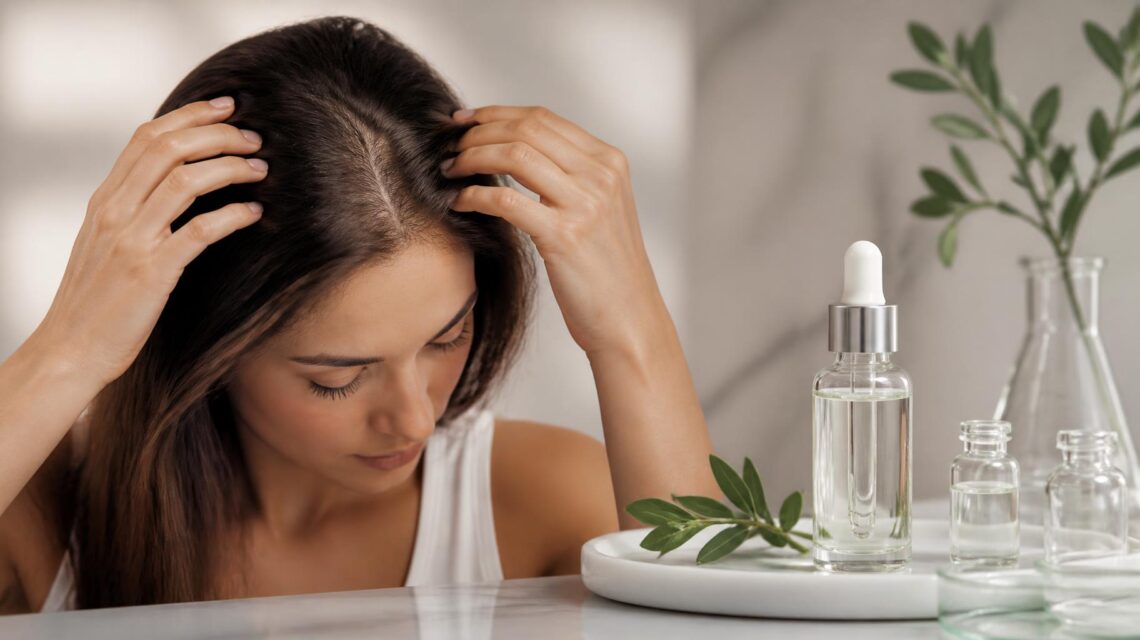
Peptide serums are typically applied directly to the scalp rather than the hair lengths. This is because the target is the hair follicle and surrounding skin. Depending on the formula, these serums may offer several potential benefits.
1. Supporting the Scalp Barrier
A healthy scalp is the foundation of healthy hair. If the scalp is dry, irritated, or inflamed, follicles may not function optimally. Some peptide serums include ingredients that help calm the scalp, reduce moisture loss, and support a balanced skin barrier.
When the scalp is in better condition, hair may appear fuller and healthier over time because follicles are under less stress.
2. Strengthening Existing Hair
Not all thinning hair is caused by follicle loss alone. In many cases, the hair itself becomes weaker, finer, or more prone to breakage. Peptides can help reinforce the hair shaft and improve resilience, which may reduce the appearance of thinning caused by fragile strands snapping off.
This means a peptide serum may not necessarily increase the number of hairs on your head, but it can help your current hair look and feel stronger.
3. Encouraging a Healthier Growth Environment
Some peptide blends are formulated to support the hair growth cycle by helping maintain a scalp environment where follicles can thrive. These products often include additional active ingredients such as caffeine, niacinamide, biotin, or botanical extracts.
While evidence varies by ingredient, the overall goal is to reduce stressors that can contribute to shedding and miniaturization.
4. Improving the Look of Density
Consistent use of a good scalp serum may lead to hair that looks shinier, less brittle, and more voluminous. Even if the biological effect on hair growth is modest, the cosmetic improvement can still be meaningful for someone dealing with early thinning.
Do Peptide Serums Actually Regrow Hair?
This is where expectations matter. Peptide serums can be helpful, but they are not always enough on their own, especially if thinning hair is linked to genetics, hormonal changes, medical conditions, or nutritional deficiencies.
For example, androgenetic alopecia, also known as pattern hair loss, often requires more targeted treatment. In those cases, peptide serums may complement a routine, but they are usually not considered a stand-alone solution.
That said, if your thinning is related to stress, seasonal shedding, scalp imbalance, or hair breakage, a peptide serum may provide noticeable support. Results are often subtle and gradual rather than dramatic.
Who Might Benefit Most From a Peptide Serum?
Peptide serums are generally best suited for people who are noticing mild to moderate thinning or who want to support scalp health before hair loss becomes more advanced.
- People with early signs of thinning hair
- Those experiencing increased breakage or weaker strands
- Anyone with a dry or stressed scalp
- People looking for a non-invasive addition to their routine
- Individuals who want to complement other hair growth treatments
They may be especially appealing for those who are not ready to try medication or who prefer a more cosmetic, scalp-focused option first.
What Ingredients Should You Look For?
Not all peptide hair serums are created equal. The best formulas usually combine peptides with other scalp-friendly ingredients that support overall hair wellness.
Helpful Ingredients Often Found in Hair Serums
- Peptides to support the scalp and strengthen hair structure
- Niacinamide to help maintain scalp barrier function
- Caffeine to energize the scalp and support hair vitality
- Biotin to reinforce the appearance of stronger hair
- Panthenol for hydration and softness
- Hyaluronic acid to help attract moisture to the scalp
- Botanical extracts such as rosemary or ginseng for added scalp support
What matters most is the overall formulation, not just the presence of one trendy ingredient. A serum should feel comfortable on the scalp, absorb well, and be used consistently without causing buildup or irritation.
How to Use a Peptide Serum for Best Results
Application technique and consistency both play a major role in results. Most peptide serums are designed to be left on the scalp rather than rinsed out.
Tips for Using a Hair Peptide Serum
- Apply directly to a clean, dry or towel-dried scalp
- Focus on areas where thinning is most noticeable
- Massage gently to help distribute the formula
- Use as directed, often daily or several times a week
- Give the product at least 8 to 12 weeks before judging results
Hair growth moves slowly, so patience is essential. Many users stop too early because they expect immediate change. In reality, improvements in shedding, texture, and density can take several months to become visible.
Limitations of Peptide Serums
Although peptide serums can be a valuable supportive product, they do have limitations. They are not a universal treatment for all forms of hair loss, and marketing claims can sometimes overpromise.
Common Drawbacks to Keep in Mind
- Results are often gradual and modest
- They may not reverse advanced pattern hair loss
- Effectiveness depends on the formula and the cause of thinning
- Some products can be expensive for long-term use
- Consistency is required to maintain any progress
If you are experiencing sudden, patchy, or severe hair loss, it is best to speak with a dermatologist or healthcare professional. Hair thinning can sometimes signal an underlying issue such as thyroid imbalance, iron deficiency, hormonal changes, or scalp disease.
Peptide Serums Versus Other Hair Loss Treatments
Compared with more established hair loss treatments, peptide serums are generally gentler and easier to incorporate into a routine. However, they are usually less clinically proven than treatments specifically approved for hair regrowth.
That does not make them ineffective. It simply means they often work best as part of a multifaceted haircare approach. This may include:
- A scalp serum with peptides
- A balanced diet rich in protein, iron, and vitamins