Copper peptides may not get as much attention as retinol, vitamin C, or hyaluronic acid, but this blue-hued skin-care ingredient is steadily earning a reputation as a multitasking powerhouse. Known for supporting skin repair, improving the appearance of fine lines, and helping maintain a healthier-looking skin barrier, copper peptides are becoming a favorite among dermatologists, formulators, and skin-care enthusiasts alike.
If you have seen a vivid blue serum on a beauty shelf and wondered whether it was worth the hype, the answer is that copper peptides offer far more than eye-catching color. They are especially appealing for people who want visible anti-aging support without the irritation that often comes with stronger active ingredients.
What Are Copper Peptides?
Copper peptides are small protein fragments bound to copper ions. In skin care, the most commonly used form is GHK-Cu, a naturally occurring copper complex that has been studied for its role in skin renewal and wound healing. Because peptides act as messengers in the skin, they can help signal various repair processes. When combined with copper, these peptides become even more interesting for cosmetic formulations.
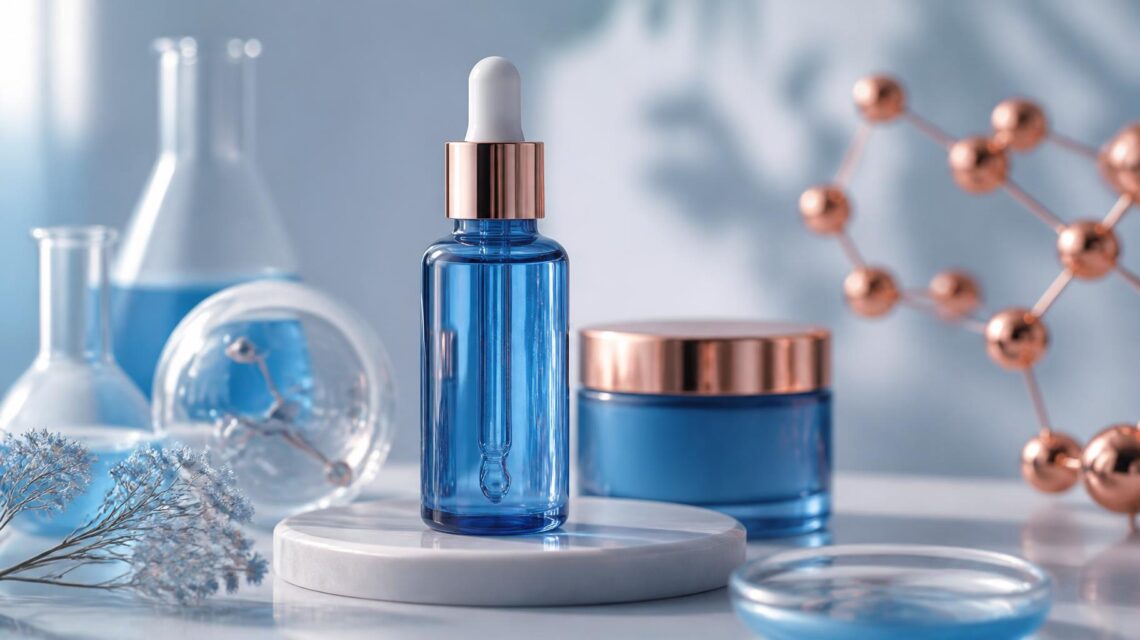
The ingredient is often recognized by its distinctive blue color, though not every formula containing copper peptides looks bright blue. The color comes from the copper itself, and many brands use it as a visual cue that the product contains active levels of the ingredient.
Why Copper Peptides Stand Out
Unlike single-focus ingredients, copper peptides are valued because they can address several skin concerns at once. They are commonly included in products designed to support:
- The appearance of fine lines and wrinkles
- Skin firmness and elasticity
- Recovery after environmental stress
- The moisture barrier
- Overall smoother, healthier-looking skin
This makes them especially attractive to people seeking a balanced anti-aging routine that does not rely entirely on harsh exfoliants or intense resurfacing ingredients.
How Copper Peptides Benefit the Skin
One of the reasons copper peptides are gaining attention is their ability to support skin in a gentle but meaningful way. While they are not an overnight miracle, consistent use may contribute to stronger, more resilient skin over time.
1. They Help Support Collagen and Elastin
Collagen and elastin are essential for keeping skin looking firm, smooth, and youthful. As we age, natural production slows, leading to sagging and more noticeable wrinkles. Copper peptides are often used in anti-aging products because they may help support the skin’s natural renewal processes, including those involved in maintaining collagen and elastin.
This is one reason copper peptide serums are frequently recommended for mature skin or for anyone beginning to notice a loss of firmness.
2. They Promote Skin Repair
Copper peptides are closely associated with healing and regeneration. In research settings, they have been examined for their role in wound recovery and tissue repair. In cosmetic skin care, this translates to formulas aimed at helping stressed, compromised, or post-breakout skin look calmer and healthier.
For anyone dealing with visible irritation or rough texture, copper peptides can be a useful addition to a routine focused on recovery rather than aggressive treatment.
3. They Can Improve Skin Texture
Regular use of copper peptide products may help skin appear smoother and more refined. While they are not exfoliants, their supportive role in skin renewal can improve the overall look and feel of the complexion. This makes them appealing to people who want gradual results with a lower risk of sensitivity.
4. They Help Defend Against Environmental Stress
Daily exposure to pollution, UV rays, and other external aggressors can contribute to visible signs of aging. Copper peptides are often praised for their antioxidant-supportive properties, which may help the skin better cope with oxidative stress. This does not replace sunscreen, but it can complement a broader skin-protective routine.
5. They Support the Skin Barrier
A healthy skin barrier is critical for retaining moisture and keeping irritants out. When the barrier is weakened, skin can become dry, reactive, and dull. Copper peptides are often found in formulas targeting barrier support because they can help the skin feel more balanced and resilient.
This makes them useful for people who have overused acids, retinoids, or harsh cleansers and need to rebuild tolerance.
Who Should Use Copper Peptides?
Copper peptides are remarkably versatile and suitable for many skin types. They are especially beneficial for people concerned with:
- Early or advanced signs of aging
- Dullness and uneven texture
- Skin that feels fragile or compromised
- Post-acne marks and visible stress
- Dry or dehydrated skin needing extra support
Because they tend to be gentler than many active ingredients, copper peptides are often a good option for those who cannot tolerate stronger treatments. However, as with any new product, patch testing is still important.
How to Use Copper Peptides in a Skin-Care Routine
Copper peptides are most commonly found in serums, but they can also appear in moisturizers, masks, and eye treatments. The best routine placement depends on the specific formula, but in general, a serum goes on after cleansing and before moisturizer.
A Simple Routine Example
- Cleanser
- Copper peptide serum
- Moisturizer
- Sunscreen in the morning
If you use a more advanced routine, copper peptides can fit in alongside hydrating and barrier-supportive products. Many people prefer using them once or twice daily, depending on their skin needs and the product directions.
Can You Use Copper Peptides With Other Ingredients?
In many cases, yes. Copper peptides generally pair well with gentle hydrators and soothing ingredients such as:
- Hyaluronic acid
- Ceramides
- Niacinamide
- Panthenol
- Glycerin
There has long been discussion in the skin-care world about whether copper peptides should be used at the same time as certain strong actives, particularly direct acids or pure vitamin C. Some users prefer to separate them into different routines, such as copper peptides at night and vitamin C in the morning, to avoid potential conflicts and minimize sensitivity.
If your skin is reactive or your routine already includes multiple actives, alternating application can be a smart approach.
Are Copper Peptides Better Than Retinol?
This is a common question, but the better comparison is not whether one ingredient is superior overall. It is whether one is better suited to your skin goals and tolerance level.
Retinol is highly regarded for improving fine lines, acne, and discoloration, but it can also cause dryness, peeling, and irritation. Copper peptides, on the other hand, tend to be gentler and more focused on supporting repair, elasticity, and barrier health.
For some people, the ideal routine includes both, used carefully and not necessarily at the same time. If retinoids are too strong for your skin, copper peptides may offer a more comfortable path to smoother, healthier-looking skin.
What to Look for in a Copper Peptide Product
Not all copper peptide products are created equal. If you are shopping for one, keep these points in mind:
- Ingredient list: Look for recognizable copper peptide ingredients such as GHK-Cu or copper tripeptide-1
- Packaging: Air-restrictive or opaque packaging can help preserve formula stability
- Supporting ingredients: Hydrators and barrier-supportive ingredients can enhance the overall benefits
- Brand reputation: Choose brands known for effective, well-formulated products
You do not necessarily need the most expensive formula, but a well-designed serum from a reputable company is often worth the investment if your goal is long-term skin support.
Are There Any Side Effects?
Copper peptides are generally considered well tolerated, especially when compared with more aggressive anti-aging ingredients. That said, any skin-care product can cause irritation in certain individuals. Mild redness, stinging, or breakouts are possible, particularly if the product is layered with too many strong actives.
To reduce the chance of a negative reaction:
- Patch test before full use
- Introduce the product slowly
- Avoid combining with too many