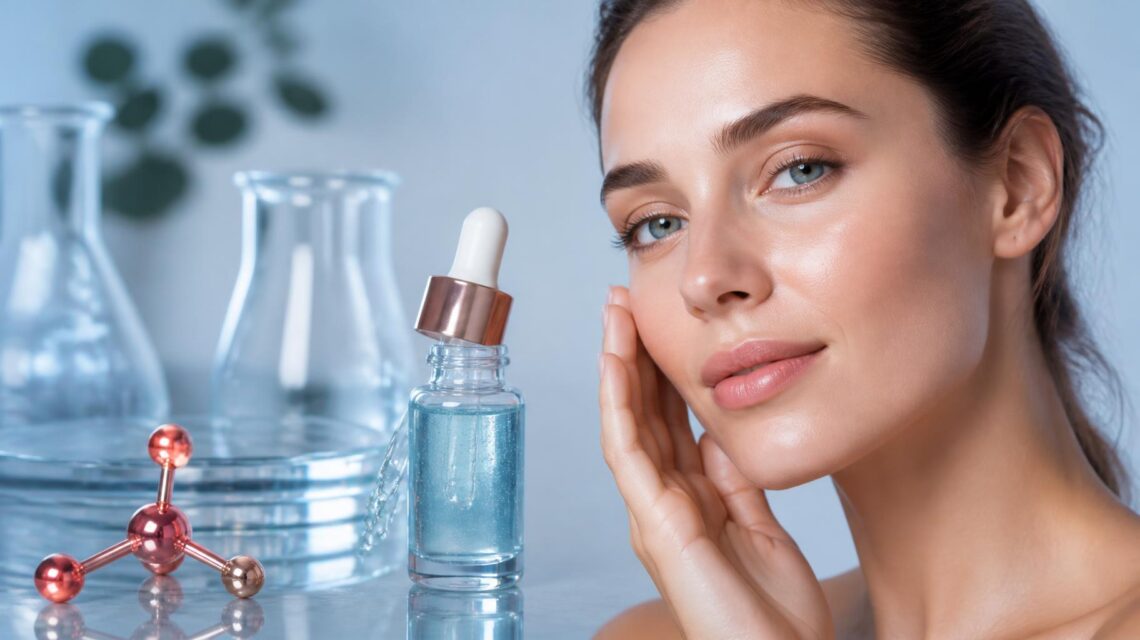
Copper peptides have become one of the most talked-about skincare ingredients for anyone chasing firmer, smoother, and more resilient skin. While they may not be as universally known as retinol or vitamin C, these skin-supporting compounds have earned a strong reputation for helping improve the look of elasticity, hydration, and overall skin health. If your goal is a complexion that appears plumper and more youthful, copper peptides are well worth understanding.
At their core, copper peptides are short chains of amino acids bound to copper ions. This combination is especially interesting in skincare because it supports processes that are closely tied to how skin repairs itself and maintains a healthy appearance. As skin matures or becomes stressed by environmental factors, the natural systems that keep it firm and smooth can slow down. This is where copper peptides can play a valuable role in a well-rounded skincare routine.
What Are Copper Peptides?
Copper peptides are naturally occurring complexes found in the body. In skincare, the most commonly referenced form is GHK-Cu, a copper tripeptide that has been widely studied for its cosmetic benefits. These peptides are important because they act as messengers, helping signal the skin to perform certain functions more efficiently.
In simple terms, copper peptides help support skin that looks:
- Firmer and more elastic
- Plumper and better hydrated
- Smoother with softer-looking fine lines
- Calmer after exposure to everyday stressors
Unlike some aggressive actives that can quickly irritate sensitive skin, copper peptides are often appreciated for offering skin-supportive benefits in a gentler way. That makes them especially appealing for people who want results without constantly battling redness or flaking.
How Copper Peptides Help Skin Look Firmer and Plumper
The reason copper peptides attract so much attention is their relationship with key structural components of the skin. Healthy-looking skin depends heavily on proteins such as collagen and elastin, both of which are linked to firmness, bounce, and smoothness. As these proteins decline with age, skin can begin to appear looser, thinner, and less radiant.
Copper peptides may help support the skin’s natural renewal processes, which can contribute to a more lifted and fuller look over time. They are also associated with improved skin barrier function, which matters more than many people realize. When the barrier is stronger, skin is better able to hold onto moisture. Better moisture retention often translates into that sought-after plump, dewy appearance.
Some of the main visible benefits include:
- Reducing the appearance of fine lines
- Improving the look of skin texture
- Supporting a more even, refreshed appearance
- Helping skin feel softer and more resilient
It is important to remember that copper peptides are not an overnight fix. Their strength lies in consistent, long-term use. With regular application, many people notice skin that looks healthier, more supple, and less tired.
Why Copper Peptides Stand Out in a Skincare Routine
Skincare shelves are crowded with anti-aging ingredients, so what makes copper peptides different? One major advantage is that they are considered multitasking ingredients. Rather than targeting only one concern, they can support several aspects of skin wellness at once.
They may help address:
- Loss of firmness
- Dehydrated, dull-looking skin
- Rough texture
- Visible signs of environmental stress
Another reason they stand out is that copper peptides are often suitable for a wide range of skin types. People with dry skin may appreciate their moisture-supporting qualities, while those with mature skin may use them to target laxity and roughness. Even some sensitive skin types can tolerate copper peptides better than stronger resurfacing ingredients, though patch testing is always wise.
How To Use Copper Peptides in Your Skincare Routine
If you are ready to add copper peptides to your routine, the good news is that they are relatively easy to use. They are most commonly found in serums, though you may also see them in creams, moisturizers, and treatment products.
Step 1: Start With Clean Skin
Apply copper peptide products after cleansing and, if you use one, after a gentle toner or essence. Clean skin gives the formula the best chance to absorb properly.
Step 2: Apply a Serum or Treatment
A copper peptide serum is often the most effective format because it delivers the ingredient in a lightweight, concentrated form. Smooth a few drops over the face and neck, focusing on areas where you want improved bounce and firmness.
Step 3: Follow With Moisturizer
Seal in the treatment with a moisturizer suited to your skin type. This helps support hydration and can boost the plumping effect by preventing moisture loss.
Step 4: Use SPF in the Morning
If you apply copper peptides during the daytime, always finish with sunscreen. No firming or smoothing routine is complete without broad-spectrum SPF, since UV exposure is one of the biggest contributors to collagen breakdown and premature aging.
Should You Use Copper Peptides Morning or Night?
Copper peptides are flexible enough to be used in the morning, at night, or both, depending on the formula and your skin’s tolerance. Many people like using them in an evening routine because nighttime is when skin naturally shifts into repair mode. Others prefer them in the morning under moisturizer and sunscreen because they layer well and are generally not photosensitizing.
If you are new to the ingredient, start once daily and monitor how your skin responds. After a couple of weeks, you can decide whether increasing usage makes sense for your routine.
What Ingredients Pair Well With Copper Peptides?
Copper peptides can work beautifully in a routine built around hydration and skin barrier support. They often pair well with ingredients that nourish rather than aggressively exfoliate.
Good companions include:
- Hyaluronic acid for added hydration and plumping
- Ceramides to support the skin barrier
- Niacinamide for balance, brightness, and barrier support
- Gentle moisturizers with glycerin or squalane
These combinations can help create a routine focused on softness, moisture retention, and a healthier overall skin appearance.
What Should You Avoid Mixing With Copper Peptides?
There is some debate in the skincare world about which actives should or should not be used with copper peptides. In general, many people choose not to layer them in the same routine with very strong acids or highly active pure vitamin C formulas, especially if their skin is easily irritated. The concern is not just about stability in some formulas, but also about keeping the routine from becoming too intense.
If your skincare lineup includes ingredients like exfoliating acids, retinoids, or ascorbic acid, consider alternating rather than layering everything at once. For example:
- Use copper peptides in the morning and vitamin C at night
- Use copper peptides on recovery nights between retinoid applications
- Keep exfoliating acid nights separate if your skin is prone to sensitivity
This approach can help you benefit from multiple active ingredients without overwhelming the skin.
Who Should Try Copper Peptides?
Copper peptides can be a smart choice for a wide range of people, especially those concerned with the earliest or more advanced visible signs of aging. They are particularly useful if your skin goals include better elasticity, a more cushioned feel, and a healthier glow.
You may want to consider copper peptides if you have:
- Skin that feels less firm than it used to
- Fine lines or crepey texture
- Dullness linked to dehydration or stress
- A weakened moisture barrier
- Sensitivity that makes stronger anti-aging actives difficult to use
That said, everyone’s skin is different. If you have a reactive complexion or are using prescription skincare, introducing a new active slowly is the safest strategy.
How Long Do Copper Peptides Take To Work?
Patience is key with copper peptides. Some people may notice improved softness and hydration fairly quickly, especially if the product is paired with other moisturizing ingredients. Firmer-looking skin and smoother texture, however, usually take longer. Visible changes often come with several weeks to a few