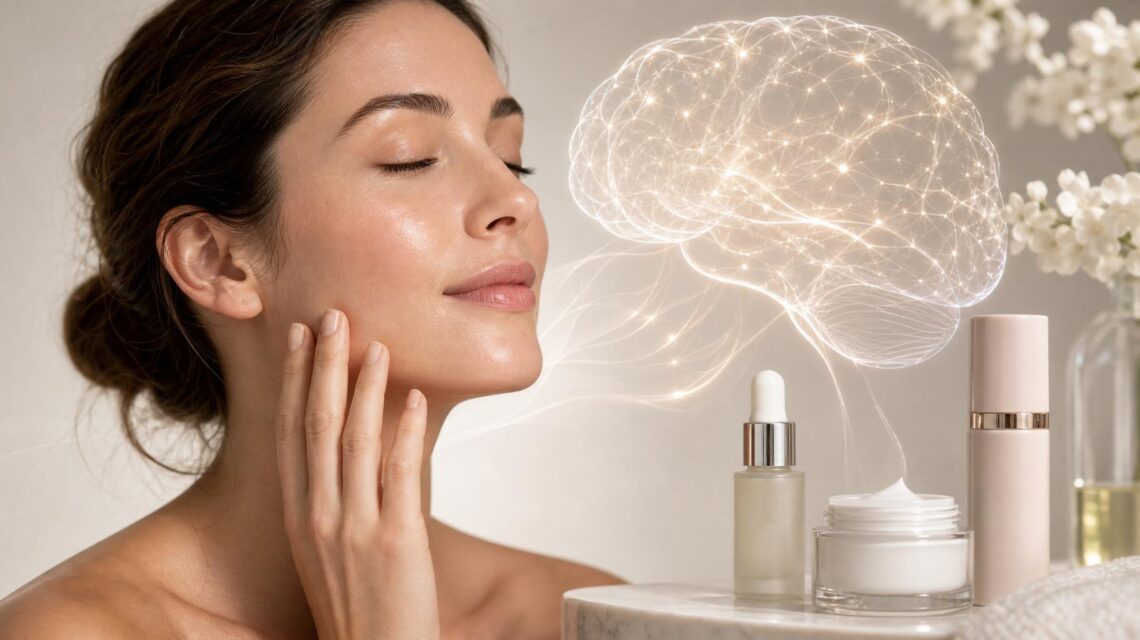
Skin does not exist in isolation. It is constantly communicating with the nervous system, responding to internal stress signals as much as it reacts to weather, skincare products, and pollution. That is the thinking behind neurocosmetics, a growing category of skincare designed to address the connection between the brain, the skin, and emotional wellbeing. For anyone dealing with redness, sensitivity, flare-ups, or a complexion that seems to worsen during stressful periods, this concept is especially relevant.
At its core, neurocosmetics explores how skincare ingredients may help calm skin that is affected by stress-related biological responses. While it is not a magic solution for anxiety or chronic skin disorders, it reflects a more advanced understanding of how the skin behaves under pressure and how targeted formulations may support balance.
What Are Neurocosmetics?
Neurocosmetics are skincare products formulated to influence the skin-brain connection. The skin has a close relationship with the nervous system, and the two are linked from early embryonic development. This is one reason skin can visibly respond to emotional states. Stress may lead to increased oil production, inflammation, impaired barrier function, itching, and a rise in sensitivity.
Neurocosmetic formulas are typically designed to support this relationship by including ingredients that may:
- Help reduce the appearance of redness and irritation
- Support the skin barrier during periods of stress
- Improve hydration and comfort
- Decrease the sensation of tightness or reactivity
- Promote a calmer, more balanced-looking complexion
Rather than simply moisturizing the surface, these products aim to work on the pathways involved in skin stress responses.
How Stress Affects the Skin
To understand neurocosmetics, it helps to understand what stress does to the skin. When the body is under pressure, it releases hormones and chemical messengers such as cortisol, adrenaline, and inflammatory signals. These can affect the skin in several ways.
Barrier Weakening
Stress can compromise the skin barrier, the protective outer layer that keeps moisture in and irritants out. When this barrier is weakened, skin may feel dry, sting more easily, and become prone to visible inflammation.
Increased Sensitivity
Many people notice that their skin becomes more reactive during emotionally intense periods. Products that once felt fine may suddenly cause discomfort. Temperature changes, friction, and even water can feel harsher on stressed skin.
Inflammation and Flare-Ups
Stress has been linked to flare-ups in conditions such as acne, eczema, rosacea, and psoriasis. While it is not always the sole cause, it can make symptoms more noticeable or harder to manage.
Changes in Oil Production
Stress can stimulate oil glands, potentially leading to clogged pores and breakouts. This can create the frustrating cycle of skin feeling both oily and irritated at the same time.
The Science Behind the Skin-Brain Connection
The skin contains a network of nerve endings, receptors, and signaling molecules that respond to both physical and emotional triggers. Some experts refer to the skin as an extension of the nervous system because of how responsive it is to stress signals.
When stress levels rise, the skin may release neuropeptides and other compounds that contribute to inflammation, itching, and discomfort. Neurocosmetics seek to interrupt or soften some of those responses. This does not mean skincare can directly treat psychological stress, but it may help reduce the visible and sensory effects stress has on the skin.
This is also why texture, scent, and application ritual matter. A soothing cream or serum can support the skin biologically while also encouraging a calming daily routine, which may indirectly benefit overall skin health.
Key Ingredients Often Found in Neurocosmetics
Not every product labeled as calming or stress-relieving qualifies as a neurocosmetic, but many formulas in this category share certain ingredient profiles. These ingredients are usually chosen for their ability to support sensitive or reactive skin.
Neuropeptides and Signaling Peptides
Some advanced formulas use peptides designed to influence how skin responds to irritation and tension. These ingredients are often included in products marketed for comfort, resilience, or reduction of visible stress.
Adaptogens
Adaptogens are plant-derived ingredients associated with helping the body respond to stress. In skincare, ingredients such as ashwagandha, ginseng, or reishi mushroom may be used for their antioxidant and soothing potential.
Niacinamide
Niacinamide is widely used to support the skin barrier, reduce redness, and improve overall resilience. It is especially useful in products targeting stressed or sensitized skin.
Centella Asiatica
Often found in sensitive skin formulas, centella asiatica is known for its calming properties and its ability to support repair and hydration.
Prebiotics and Probiotics
Because stress can affect the skin microbiome, some neurocosmetic products include prebiotic or probiotic ingredients to help maintain a healthier skin environment.
Ceramides and Barrier Lipids
These ingredients reinforce the skin barrier, helping reduce moisture loss and improving comfort. For stressed skin, barrier repair is often one of the most important goals.
Can Neurocosmetics Really Soothe Stressed Skin?
The short answer is they can help, especially when stress shows up on the skin as dryness, sensitivity, tightness, redness, or uneven texture. The best neurocosmetic formulas do not rely on hype alone. They are usually grounded in well-established dermatological goals such as barrier support, anti-inflammatory care, and improved skin comfort.
That said, expectations should remain realistic. Neurocosmetics are not a substitute for medical treatment if you have a skin condition requiring professional care. They also cannot eliminate the root causes of emotional stress. What they can do is support the skin more effectively during challenging periods and potentially lessen visible signs of stress.
In many cases, the greatest benefits come from combining effective skincare with broader wellness habits such as better sleep, hydration, and stress management.
Who Might Benefit from Neurocosmetics?
This category may be particularly appealing if your skin often reacts to lifestyle shifts or emotional strain. You may benefit if you experience:
- Frequent redness or flushing
- Stress-related acne breakouts
- Tight, dehydrated skin during busy periods
- Increased sensitivity to products or weather
- A compromised skin barrier from over-exfoliation or overuse of active ingredients
People with naturally sensitive skin may also find neurocosmetic-inspired products useful because they often prioritize comfort and resilience over harsh corrective treatments.
How to Build a Routine for Stressed Skin
You do not need a complicated regimen to support stressed skin. In fact, keeping things simple is often the better approach. Overloading the skin with too many active ingredients can worsen reactivity.
1. Use a Gentle Cleanser
Choose a cleanser that removes dirt and sunscreen without stripping the skin. Avoid formulas that leave your face feeling tight or squeaky clean.
2. Add a Calming Serum
Look for serums with niacinamide, centella asiatica, peptides, or hydrating ingredients such as glycerin and hyaluronic acid.
3. Prioritize Moisturizer
A good moisturizer helps trap water in the skin and restore barrier function. Products with ceramides, squalane, or fatty acids are especially helpful.
4. Never Skip Sunscreen
UV exposure can worsen inflammation and sensitivity. Daily sunscreen is essential, especially when the skin is already under stress.
5. Limit Irritating Actives
If your skin feels overwhelmed, consider reducing strong acids, retinoids, or aggressive scrubs until it feels more stable.
What to Look for on the Label
As neurocosmetics becomes more popular, marketing claims are likely to increase. Not every product will be backed by meaningful research, so it helps to read labels carefully.
Look for products that emphasize:
- Barrier repair
- Soothing or anti-redness support
- Fragrance-free or low-irritation formulas
- Clinically studied calming ingredients
- Hydration and microbiome support
It is also worth paying attention to how your skin feels. A product may have an impressive ingredient list, but if it causes stinging or ongoing discomfort, it may not be the right