The best peptides for hair loss are the ones that fit into a real hair-loss plan. That may sound less exciting than a viral before-and-after video, but it is the truth. Hair loss can be genetic, hormonal, inflammatory, nutritional, stress-related, medication-related, autoimmune, or caused by traction and breakage. Peptides may support a healthier scalp and thicker-looking hair, but they should not be the only tool you consider if your hair is actively thinning.
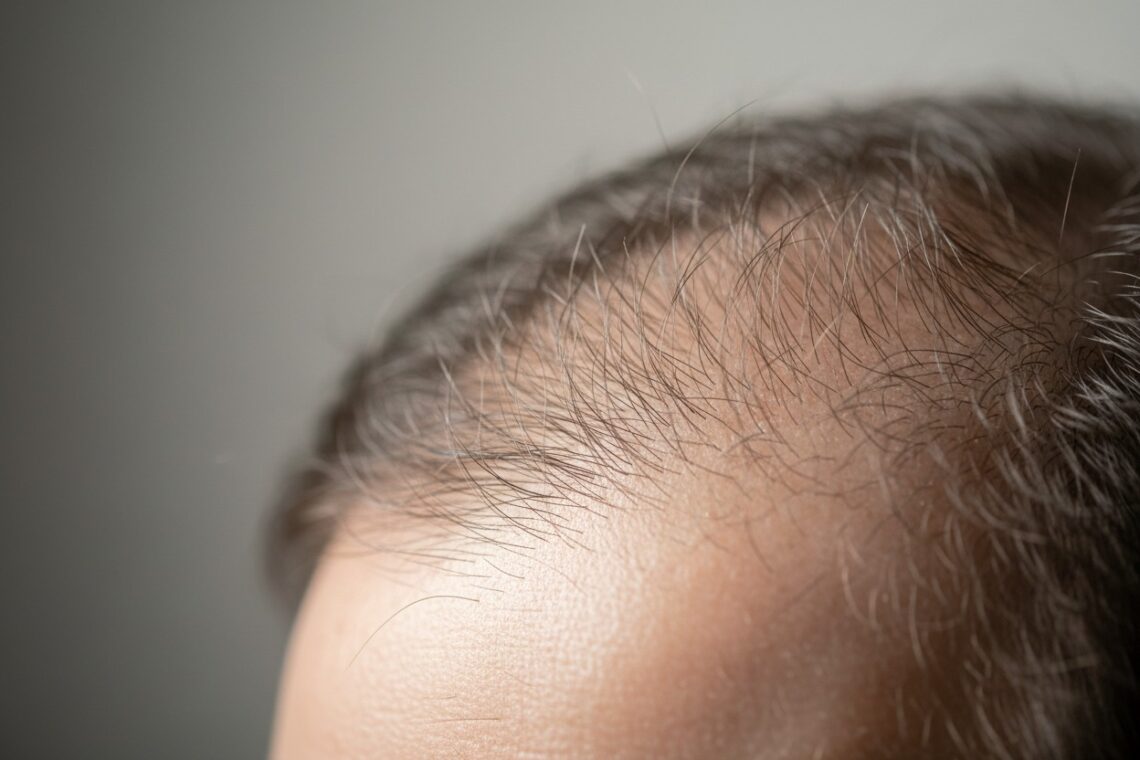
Start with the type of hair loss. Pattern hair loss, also called androgenetic alopecia, often shows up as a widening part, thinner crown, receding hairline, or gradual miniaturization of the hair. Telogen effluvium is more of a sudden shed, often after illness, stress, surgery, childbirth, rapid weight loss, or a major medication change. Alopecia areata can cause round patches. Traction alopecia can happen from tight hairstyles. Scalp psoriasis, seborrheic dermatitis, and other inflammatory conditions can also contribute to shedding. Peptides may help the appearance of hair, but they do not diagnose the reason you are losing it.
For topical peptide ingredients, copper peptides are the most talked about. Look for copper tripeptide-1 or GHK-Cu in scalp serums. Copper peptides are used in cosmetic formulas for repair and resilience, and in hair products they are marketed for supporting scalp health, follicle vitality, and fuller-looking hair. They are often gentle and easy to add to a routine, which makes them appealing for people who do not want an aggressive product.
Acetyl tetrapeptide-3 is another peptide worth knowing. It is a biomimetic peptide often found in hair-density formulas, sometimes paired with red clover extract. These blends are usually positioned for thinning hair, weak anchoring, or the appearance of reduced density. Biotinoyl tripeptide-1 is another topical ingredient used in some hair, lash, and brow products for stronger-looking strands and healthier-looking growth.
Keratin peptides and hydrolyzed proteins are useful if the issue is breakage rather than follicle loss. They can help hair feel thicker, smoother, and stronger, especially if the hair is color-treated, heat-damaged, chemically processed, or naturally fragile. However, they do not regrow hair from inactive follicles. If your scalp is becoming more visible, prioritize scalp treatments and medical evaluation over rinse-off protein products.
The phrase “best peptides for hair loss” can also lead people into a risky corner of the internet: injectable peptides. Some clinics and wellness influencers promote peptides for hair, anti-aging, recovery, hormones, or metabolism. Many of these uses are not FDA-approved, and the evidence may be limited, inconsistent, or based on animal studies. Purity, dosing, immune reactions, and contamination are real concerns. A topical cosmetic peptide serum is not the same as injecting a peptide bought online or compounded without a clear medical reason.
If you have pattern hair loss, minoxidil is still a more evidence-based starting point than peptides. Topical minoxidil is widely used for male and female pattern hair loss. Finasteride is prescription-only and used mainly for male pattern hair loss, while women may be evaluated for options such as spironolactone or other medical approaches depending on their situation. Some dermatologists also discuss platelet-rich plasma, low-level laser therapy, or low-dose oral minoxidil. Peptides can complement some routines, but they should not delay proven treatment if your hair loss is progressing.
A good peptide routine for hair loss should be simple. Use a gentle shampoo that keeps your scalp comfortable. Apply a leave-on peptide scalp serum directly to thinning areas once daily or as directed. If you use minoxidil, ask your clinician how to layer products to avoid irritation. Add a lightweight conditioner or bond-building product if your hair is breaking. Take progress photos every month. Give the routine at least 12 weeks, and longer for pattern hair loss.
Look for formulas that combine peptides with scalp-friendly ingredients. Caffeine, niacinamide, panthenol, zinc, green tea, hyaluronic acid, and soothing botanicals can support the scalp environment. Avoid products that burn, itch, or flake. A little tingling is not proof that a product is working. Irritation is not a growth strategy.
You should also look for internal triggers. Low iron stores, thyroid changes, vitamin D deficiency, crash dieting, low protein intake, high stress, perimenopause, menopause, and certain medications can affect hair. Supplements are only useful if they address a deficiency or specific need. Taking high-dose biotin without a deficiency is not a guaranteed fix and can interfere with some lab tests.
The best peptide for hair loss is not one single ingredient. For scalp support, copper peptides are a strong choice. For density-focused cosmetic formulas, acetyl tetrapeptide-3 and biotinoyl tripeptide-1 are common options. For breakage, keratin peptides and hydrolyzed proteins can help the hair look fuller. For true pattern hair loss, peptides are best viewed as supportive, not primary, unless your dermatologist says otherwise.
The bottom line is balanced: peptides may help hair look thicker and support a healthier scalp, but hair loss deserves a real plan. Identify the cause, start evidence-based treatment when appropriate, use topical peptides consistently, and avoid unregulated injectable peptide claims. The best results usually come from combining smart scalp care with medical guidance and patience.
When evaluating results, track the right metric. For shedding, count how much hair you see in the shower or brush, but remember that daily variation is normal. For pattern thinning, photos of the part, temples, and crown are more useful than loose hairs in the sink. For breakage, look at the ends and short snapped pieces around the face. Peptides may improve one metric while another issue needs a different solution. For example, a keratin peptide mask may reduce breakage but will not narrow a widening part. A copper peptide serum may support the scalp but will not repair bleach damage on the ends. Matching the peptide to the problem is the key. A useful rule is this: scalp visibility points you toward follicle care, broken ends point you toward fiber repair, and sudden shedding points you toward medical or lifestyle triggers that deserve investigation.