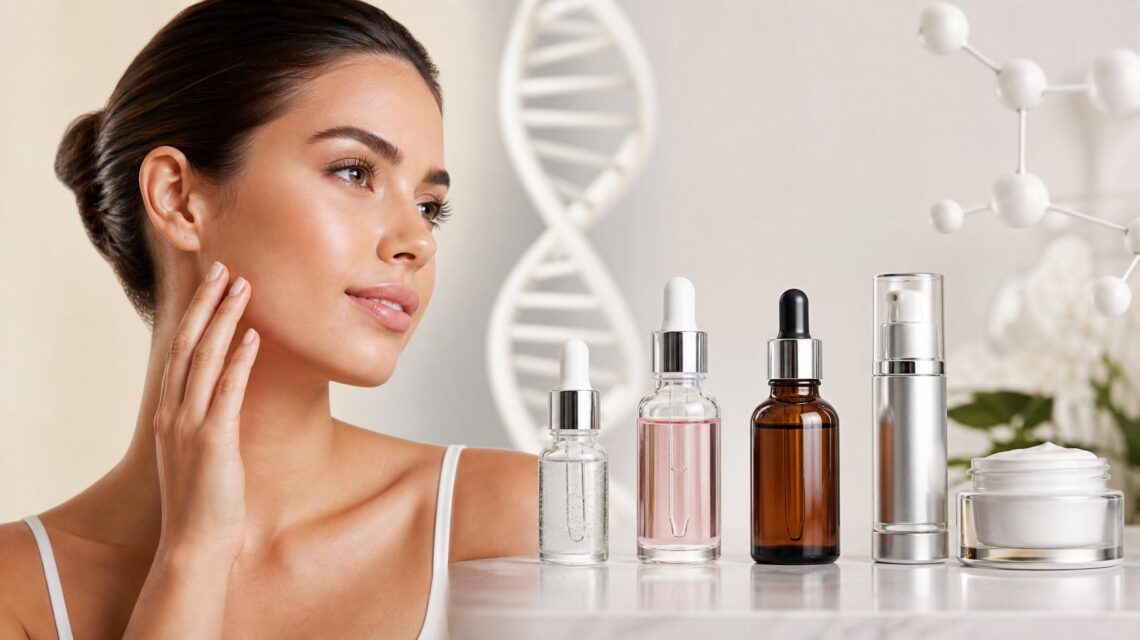
Peptides have become one of the most talked-about skincare ingredients for good reason. These tiny chains of amino acids help support the skin’s natural building blocks, especially proteins like collagen and elastin that keep skin looking firm, smooth, and healthy. But while peptide serums and creams are easy to find, knowing how to layer peptides in your skincare routine can make the difference between a product that simply feels nice and one that delivers visible results.
If you have ever wondered whether peptides go before retinol, after vitamin C, or with hyaluronic acid, the good news is that peptides are generally easy to work into most routines. They are known for being gentle, versatile, and compatible with many other active ingredients. The key is understanding product texture, ingredient purpose, and how to build a routine that supports your skin rather than overwhelms it.
What Are Peptides in Skincare?
Peptides are short chains of amino acids that act as messengers in the skin. In skincare formulas, they are used to help encourage processes that support a stronger, smoother, and more resilient complexion. Different peptides are designed for different goals, but many are included in products that target:
- Fine lines and wrinkles
- Loss of firmness
- Dryness and dehydration
- Compromised skin barrier
- Dull or tired-looking skin
Because peptides are often associated with collagen support, they are especially popular in anti-aging routines. However, they are not only for mature skin. Anyone looking to maintain skin health, improve texture, or support recovery from dryness or irritation can benefit from using peptide-based products.
Why Layering Peptides Correctly Matters
Even the best skincare ingredients work better when applied in the right order. Layering matters because each product needs the best possible chance to absorb and perform. In most cases, skincare is applied from the thinnest texture to the thickest texture. This approach helps lightweight formulas like toners and serums reach the skin before heavier creams create a seal on top.
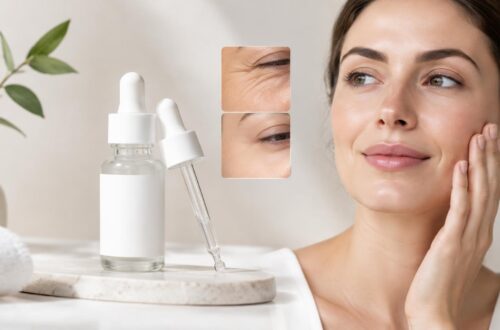
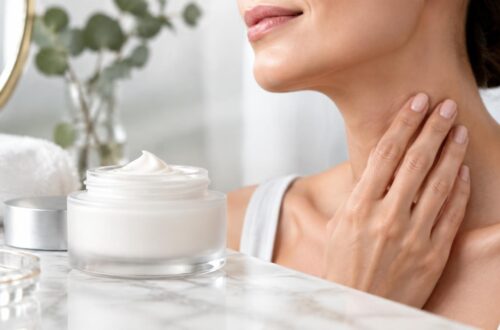
Peptides are most commonly found in serums, moisturizers, and eye creams. Depending on the formula, they may be used earlier or later in your routine. A peptide serum usually goes on before moisturizer, while a peptide cream is typically one of the final treatment steps before sunscreen in the morning.
The Best Order to Apply Peptides
For most routines, peptides fit in after cleansing and before heavier creams or oils. Here is the general order.
Morning Routine With Peptides
- Cleanser
- Toner or essence, if used
- Vitamin C serum, if used
- Peptide serum
- Moisturizer
- Sunscreen
Evening Routine With Peptides
- Cleanser
- Hydrating toner or essence
- Exfoliating treatment or retinoid, if used
- Peptide serum or peptide cream
- Moisturizer or facial oil
Of course, your routine may vary based on the products you use. If your peptide product is very lightweight, apply it before richer serums or creams. If it is a richer moisturizer containing peptides, use it as your moisturizing step.
How Peptides Work With Other Skincare Ingredients
One reason peptides are so popular is that they tend to pair well with many skincare staples. Still, there are best practices to follow when combining them with stronger actives.
Peptides and Hyaluronic Acid
This is one of the easiest and most effective combinations. Hyaluronic acid helps draw water into the skin, while peptides support a smoother and healthier-looking complexion. Together, they can make skin appear plumper and more hydrated.
If you use both, apply the more watery serum first. In many routines, hyaluronic acid goes on before peptides, especially if it has a thinner texture.
Peptides and Vitamin C
Vitamin C is often used in the morning to brighten skin and provide antioxidant protection. Peptides can be layered with vitamin C in many modern formulas, but texture and skin sensitivity should guide the order. Usually, vitamin C goes on first, followed by peptides.
If your skin is reactive, choose gentle, well-formulated products and introduce them gradually. While many people use them together without issue, less is sometimes more when building an effective routine.
Peptides and Retinol
Peptides and retinol can complement each other well. Retinol supports cell turnover and improves the appearance of aging, while peptides can help replenish and support the skin. This can be especially useful if retinol tends to leave your skin feeling dry or stressed.
In most evening routines, retinol is applied first if it comes in a lightweight serum, followed by a peptide serum or peptide moisturizer. Some people prefer to alternate them on different nights, especially if they have sensitive skin.
Peptides and Niacinamide
These two ingredients are generally very compatible. Niacinamide helps with oil balance, redness, pore appearance, and barrier support, while peptides focus on firmness and overall skin quality. Layer according to texture, with thinner formulations first.
Peptides and Exfoliating Acids
Alpha hydroxy acids and beta hydroxy acids can be part of a peptide routine, but it is wise to be mindful. Over-exfoliation can damage the skin barrier, making it harder for any treatment product to do its job well. If you use exfoliating acids, consider applying them first and peptides after, or use them on alternate nights if your skin becomes irritated.
How to Build a Simple Peptide Routine
You do not need a complicated 10-step routine to benefit from peptides. In fact, a simple, consistent routine is often more effective than layering too many actives at once.
Beginner Morning Routine
- Gentle cleanser
- Peptide serum
- Moisturizer
- Broad-spectrum sunscreen
Beginner Evening Routine
- Cleanser
- Peptide serum or peptide cream
- Moisturizer
This basic structure makes it easy to assess how your skin responds. Once your skin is comfortable, you can add ingredients like vitamin C, niacinamide, or retinol depending on your goals.
Choosing the Right Peptide Product
Not all peptide products are the same. The best one for you depends on your skin type, concerns, and routine preferences.
For Dry or Dehydrated Skin
Look for peptide creams or serums that also contain hydrating and barrier-supporting ingredients such as:
- Hyaluronic acid
- Glycerin
- Ceramides
- Squalane
For Oily or Combination Skin
A lightweight peptide serum may be a better fit than a rich cream. Gel-serum textures absorb quickly and can be layered under an oil-free moisturizer.
For Sensitive Skin
Peptides are often a good option for sensitive skin because they are generally less irritating than stronger actives. Choose fragrance-free formulas and avoid introducing several new products at the same time.
For Mature Skin
A more comprehensive routine may work best, such as peptides paired with antioxidants in the morning and retinoids at night. Moisturizers with peptides can also help support skin that feels thinner, drier, or less firm.
Common Mistakes to Avoid When Layering Peptides
Peptides are relatively straightforward, but there are still a few mistakes that can reduce your results.
- Using too many actives at once: Layering multiple strong treatments can irritate the skin and weaken the barrier.
- Ignoring product texture: Applying a thick cream before a peptide serum may limit absorption.
- Skipping sunscreen: If your routine includes anti-aging ingredients, daily sun protection is essential.
- Expecting instant results: Peptides work gradually. Consistency matters more than speed.
- Changing your whole routine at once: Introduce peptide products one at a time so you can monitor how your skin responds.