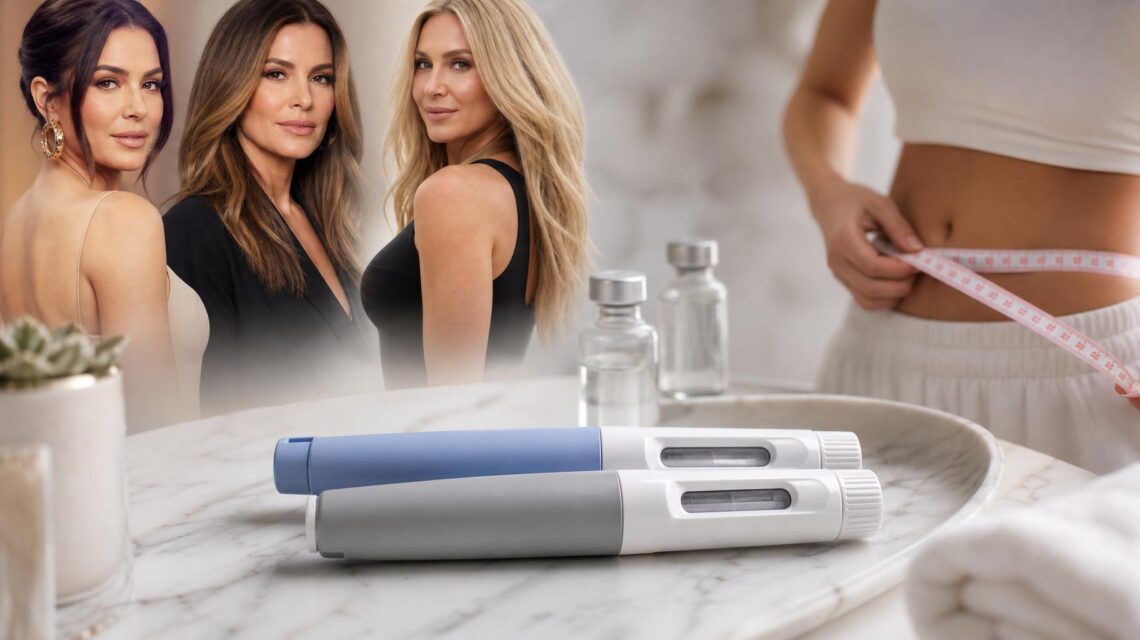
Interest in Ozempic, Wegovy, and other GLP-1 weight loss drugs has surged as more public figures openly discuss using them or become the subject of speculation online. What was once a niche medical conversation about diabetes care has quickly expanded into one of the biggest celebrity wellness stories in recent years. From red carpet transformations to interview reveals, these medications have become closely tied to how the public talks about weight loss, beauty standards, and modern health trends.
The growing attention around celebrities using GLP-1 medications has also made these drugs a mainstream topic among everyday consumers. Many people now want to know what these medications actually do, why they are so popular, and whether celebrity use is shaping unrealistic expectations. While star power has increased visibility, it has also created confusion, misinformation, and intense social media debate.
What Are Ozempic, Wegovy, and GLP-1 Drugs?
Ozempic and Wegovy are brand names for medications linked to the GLP-1 class of drugs. GLP-1 stands for glucagon-like peptide-1, a hormone that helps regulate blood sugar, hunger, and digestion. These medications work by mimicking natural processes in the body to help people feel fuller for longer, reduce appetite, and in some cases improve blood sugar control.
Although Ozempic is primarily approved for managing type 2 diabetes, it has become widely discussed because of its weight loss effects. Wegovy contains a similar active ingredient but is approved specifically for chronic weight management in certain patients. As a result, celebrity conversations often use the names interchangeably, even though they are prescribed for different purposes.
Why These Medications Are Getting So Much Attention
The public fascination comes from a combination of medical effectiveness and cultural influence. Compared with older approaches to weight management, GLP-1 medications have shown significant results for many patients under medical supervision. In celebrity culture, where physical appearance is heavily scrutinized, any treatment associated with fast or visible transformation instantly becomes headline material.
- Noticeable weight changes often trigger online speculation.
- Celebrity interviews can increase curiosity and normalize discussion.
- Social media trends amplify before-and-after narratives.
- Medical buzz gives these drugs an image of being the latest breakthrough.
Why Celebrity Use of GLP-1 Drugs Has Become a Major Talking Point
Celebrity influence has always shaped beauty and wellness trends, but the conversation around Ozempic and Wegovy feels different because it sits at the intersection of medicine, body image, and status. Whether a celebrity confirms use, denies it, or refuses to comment, the public often treats the story as proof of a wider trend in Hollywood and influencer circles.
This has created a cycle where every dramatic transformation sparks fresh debate. Fans ask whether the results came from diet and exercise alone, while critics question whether access to prescription medications gives wealthy public figures an advantage. The result is a highly visible conversation that extends far beyond celebrity gossip and into health culture at large.
The Role of Social Media in Driving the Narrative
Platforms like TikTok, Instagram, and X have accelerated the visibility of GLP-1 drugs. A single viral post can turn a private health decision into a global talking point. Online users often compare photos, share rumors, and discuss celebrity bodies in ways that blur the line between concern, curiosity, and invasive commentary.
Social media has also helped spread both useful information and misleading claims. Some creators discuss the medical science behind these drugs, while others oversimplify them as miracle injections. That messaging can distort expectations and make weight loss appear easier, quicker, or more glamorous than it really is.
How Celebrities Are Framing Their Use of Weight Loss Medications
Not every celebrity addresses the issue in the same way. Some public figures have spoken openly about using GLP-1 medications as part of broader health efforts, while others have pushed back against assumptions. There are also stars who discuss the side effects, emotional complexities, or public judgment that came with their decision.
In many cases, the tone of the conversation reflects a bigger shift in how famous people talk about health. Instead of presenting transformation as the result of pure discipline, some are beginning to acknowledge the role of medical support, hormonal challenges, and physician-supervised treatment plans.
Common Themes in Celebrity Discussions
- Transparency about medical support for weight loss.
- Defensiveness in response to public speculation.
- Frustration over body scrutiny and invasive comments.
- Emphasis on health rather than appearance alone.
- Discussion of side effects and treatment challenges.
These themes matter because they influence how audiences understand the drugs. When celebrities present GLP-1 medications as one tool among many, it can encourage a more realistic conversation. When the focus stays only on appearance, however, it can feed harmful assumptions about self-worth and rapid weight loss.
The Medical Reality Behind the Trend
Despite the hype, Ozempic, Wegovy, and related medications are not simple cosmetic shortcuts. They are prescription drugs designed for specific medical purposes and should be used under the guidance of a qualified healthcare provider. Like any medication, they come with potential benefits, side effects, and limitations.
People considering GLP-1 drugs should understand that treatment is often part of a larger plan that may include nutrition changes, physical activity, regular medical check-ins, and long-term monitoring. Results vary from person to person, and stopping the medication may affect weight maintenance for some individuals.
Potential Considerations People Should Know
- Eligibility matters because not everyone is an appropriate candidate.
- Side effects can include nausea, digestive issues, and appetite changes.
- Medical supervision is important for safety and ongoing evaluation.
- Long-term use may be part of the treatment discussion.
- Cost and availability can affect access for many patients.
This is one reason why celebrity-driven conversations can be problematic. The public may see the visible result without hearing much about dosage titration, side effects, affordability, or physician oversight. That gap between image and reality often contributes to unrealistic expectations.
Body Image, Beauty Standards, and Public Pressure
One of the biggest concerns surrounding celebrity use of GLP-1 drugs is the effect on body image. For years, beauty culture has swung between different ideals, often placing intense pressure on women in particular to conform. The latest fascination with rapid slimming has renewed concern that weight loss medication may become entangled with harmful appearance standards.
When celebrity transformations dominate the conversation, people may begin to view thinner bodies as more successful, desirable, or disciplined. That can be especially damaging for younger audiences and anyone already struggling with self-esteem or disordered eating patterns. The way media covers these drugs matters because it shapes the emotional tone around weight, health, and identity.
Why the Conversation Needs More Balance
A balanced discussion recognizes that these medications may be genuinely helpful for some individuals while also acknowledging that no one owes the public an explanation for their body. It is possible to talk about medical innovation without turning every celebrity transformation into a public trial.
- Health is personal and not always visible from the outside.
- Weight loss does not equal wellness in every situation.
- Speculation about bodies can be harmful and inaccurate.
- Medical treatment should not be reduced to gossip.
What the Popularity of Ozempic and Wegovy Says About Modern Wellness Culture
The celebrity spotlight on GLP-1 drugs reveals a lot about modern wellness culture. Today, there is increasing demand for solutions that deliver visible results quickly, especially when those results align with dominant beauty standards. At the same time, there is growing openness to discussing medical intervention, mental health, hormones, and metabolic challenges more honestly than in past