Copper peptides have quickly moved from niche skincare conversations into the mainstream, fueled by beauty influencers, dermatology discussions, and consumers looking for smarter ways to support aging skin. While trendy ingredients come and go, copper peptides have earned attention for a more compelling reason: they are tied to the skin’s natural repair processes and may help improve the look of firmness, smoothness, and overall skin vitality.
Unlike quick-fix beauty fads, copper peptides sit at the intersection of science and skincare. They are often promoted as a multi-tasking ingredient that can support collagen production, encourage skin renewal, and help reduce the visible effects of environmental stress. For anyone building an anti-aging routine, understanding how this ingredient works can make it easier to decide whether it deserves a place on the bathroom shelf.
What Are Copper Peptides?
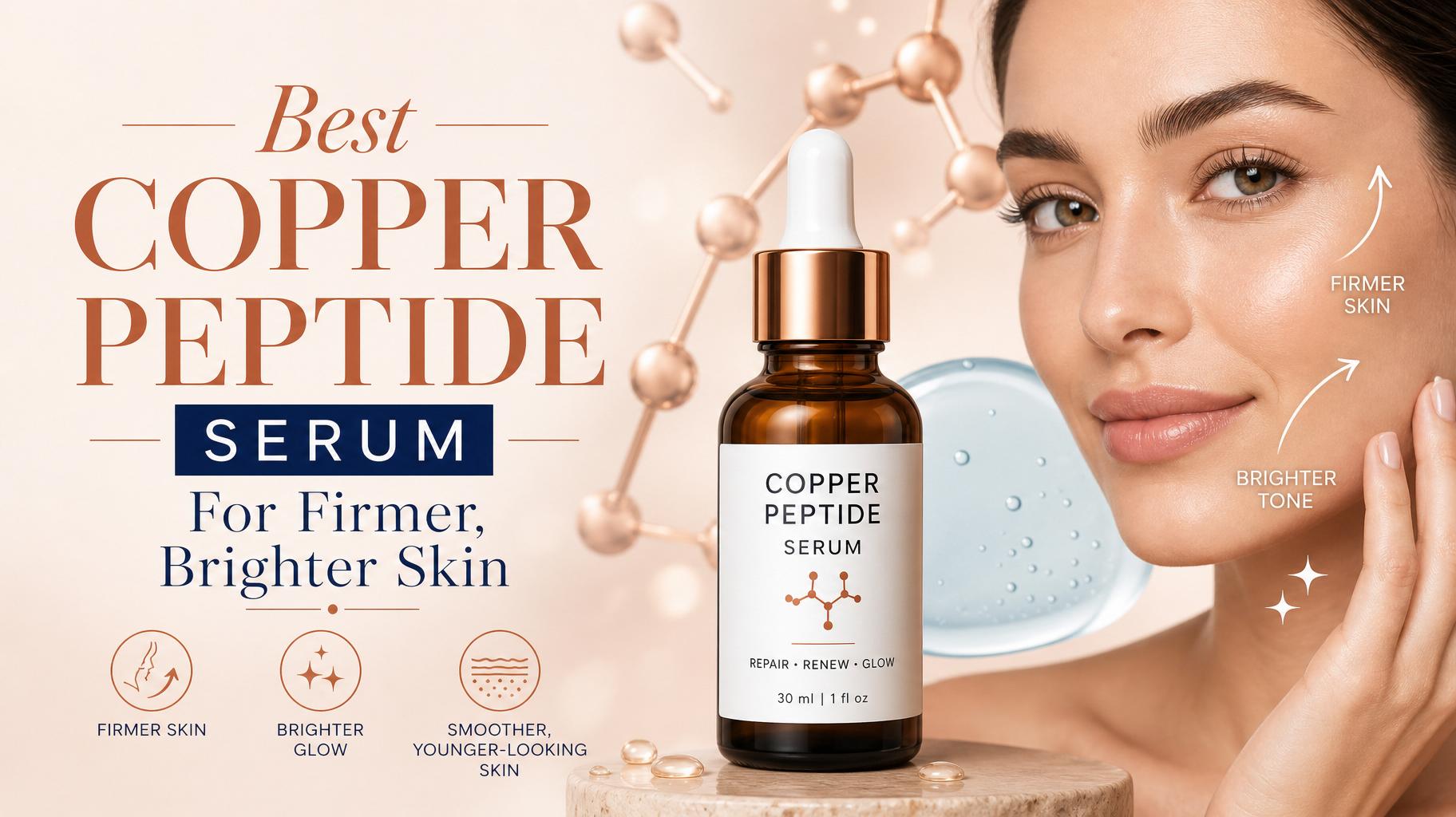
Copper peptides are small protein fragments bound to copper ions. In skincare, the most widely discussed form is GHK-Cu, a naturally occurring copper peptide found in the human body. Researchers have long explored its role in wound healing and tissue repair, which is one reason it has become so popular in cosmetic formulations.
In simple terms, peptides are building blocks made from amino acids, and copper is an essential trace mineral. When combined, they create a compound that may help the skin perform some of its normal regenerative functions more efficiently. This is especially appealing in anti-aging skincare, where the goal is often to support skin that appears smoother, firmer, and more resilient over time.
Why Copper Peptides Are Trending in Anti-Aging Skincare
The rise of copper peptides among beauty influencers is not just about hype. Many skincare users are looking for ingredients that go beyond surface-level hydration and actually target the visible signs of aging. Copper peptides are often praised for being versatile, especially for people who want one ingredient that addresses multiple concerns.
Some of the main reasons these peptides are trending include:
- Support for collagen and elastin, which are essential for firm-looking skin
- Improved skin texture and a smoother overall appearance
- Help with visible fine lines and wrinkles
- Recovery support for skin affected by dryness, irritation, or environmental damage
- Compatibility with anti-aging routines focused on long-term skin health
Social media has amplified the excitement, but the ingredient’s staying power comes from the fact that it offers benefits beyond a temporary glow. Consumers are increasingly seeking evidence-backed skincare, and copper peptides fit well into that demand.
How Copper Peptides May Benefit Aging Skin
Supporting Collagen Production
One of the biggest reasons people turn to copper peptides is their association with collagen support. Collagen is the protein that helps skin look plump and structured, but production naturally declines with age. As this happens, fine lines and sagging become more noticeable.
Copper peptides are thought to encourage processes involved in collagen formation and skin renewal. While they are not an overnight solution, consistent use may help the skin appear firmer and more youthful over time.
Improving Skin Texture and Tone
Rough texture, dullness, and uneven tone are common concerns in mature skin. Copper peptides may help promote smoother-looking skin by supporting natural regeneration. This can lead to a complexion that appears brighter, more even, and healthier.
For many users, this texture-improving quality is part of what makes copper peptide serums so appealing. They are often included in routines designed to create a refined, polished look without relying solely on harsh exfoliants.
Helping Reduce the Look of Fine Lines
Fine lines usually develop from a combination of age, sun exposure, dehydration, and repetitive facial movement. Copper peptides may help soften their appearance by improving the skin’s condition overall. Healthier, better-supported skin often looks less creased and more supple.
This is one reason the ingredient is frequently marketed as a gentler anti-aging option for people who may struggle with stronger actives.
Calming and Repairing the Skin Barrier
Aging skin is not just about wrinkles. It can also become thinner, drier, and more prone to irritation. Copper peptides are often highlighted for their potential role in skin recovery and barrier support. This makes them attractive to users who want anti-aging benefits without compromising comfort.
When the skin barrier is in better shape, it can hold moisture more effectively and appear smoother and stronger. That alone can make the complexion look younger and healthier.
Copper Peptides vs Other Anti-Aging Ingredients
Many people compare copper peptides to familiar ingredients like retinol, vitamin C, and hyaluronic acid. Each serves a different purpose, and copper peptides tend to stand out for their supportive and restorative qualities.
- Retinol is known for accelerating cell turnover and improving fine lines, but it can be irritating for some skin types.
- Vitamin C is a powerful antioxidant that helps brighten skin and defend against environmental stress.
- Hyaluronic acid focuses mainly on hydration and plumping the skin’s appearance.
- Copper peptides are often valued for supporting repair, resilience, and firmness while being relatively gentle.
Rather than replacing every other anti-aging ingredient, copper peptides may work best as part of a balanced routine. Users who cannot tolerate aggressive treatments often view them as a promising alternative or complement.
How to Use Copper Peptides in a Skincare Routine
If you are thinking about trying copper peptides, formulation and consistency matter. These peptides are commonly found in serums, creams, and treatment products designed for daily or nightly use. A serum is often the preferred choice because it layers easily and delivers concentrated ingredients directly to the skin.
To add copper peptides to a routine, many skincare experts suggest the following steps:
- Cleanse with a gentle face wash
- Apply hydrating toner or essence if used
- Use a copper peptide serum on clean skin
- Follow with moisturizer to lock in hydration
- Use sunscreen during the day to protect results
Some users prefer applying copper peptides at night as part of a repair-focused routine, while others use them in the morning for added support against daily stressors. The ideal schedule depends on the specific product and the rest of the skincare lineup.
Can Copper Peptides Be Used With Other Ingredients?
This is one of the most common questions surrounding the ingredient. Copper peptides are generally considered versatile, but some skincare users prefer to avoid pairing them directly with strong acids or certain forms of vitamin C in the same application, especially if they want to minimize the chance of irritation or preserve formula stability.
A practical approach is to keep routines simple at first. Introduce one new product at a time and observe how the skin responds. If using multiple active ingredients, alternating them between morning and evening or on different days may be a smart strategy.
As with any treatment product, patch testing is a good idea, especially for sensitive skin.
Who Should Try Copper Peptides?
Copper peptides may be especially appealing for people who want anti-aging benefits but prefer a gentler option than more intense actives. They are often suitable for a wide range of skin types, including dry, mature, and combination skin. People focused on prevention may also choose them before deeper lines and loss of firmness become more visible.
You might consider copper peptides if you are dealing with:
- Fine lines and early wrinkles
- Loss of firmness or elasticity
- Dull, tired-looking skin
- Dryness and a weakened skin barrier
- A desire for a more supportive anti-aging routine
However, those with highly reactive skin or complex skincare concerns may benefit from checking with a dermatologist before introducing a new active product.
What to Look for When Buying a Copper Peptide Product
Not all skincare products are created equal, especially when they feature trending ingredients. A high-quality copper peptide product should come from a reputable brand with clear labeling and well-designed packaging. Since ingredient stability can influence performance, air-tight or opaque containers are often a plus.
When shopping, look for:
- Ingredient transparency on the label
- Products designed for your skin type
- Formulas with hydrating and barrier-supporting ingredients
- Minimal unnecessary fragrance if your skin is sensitive
- Positive brand credibility and user feedback