

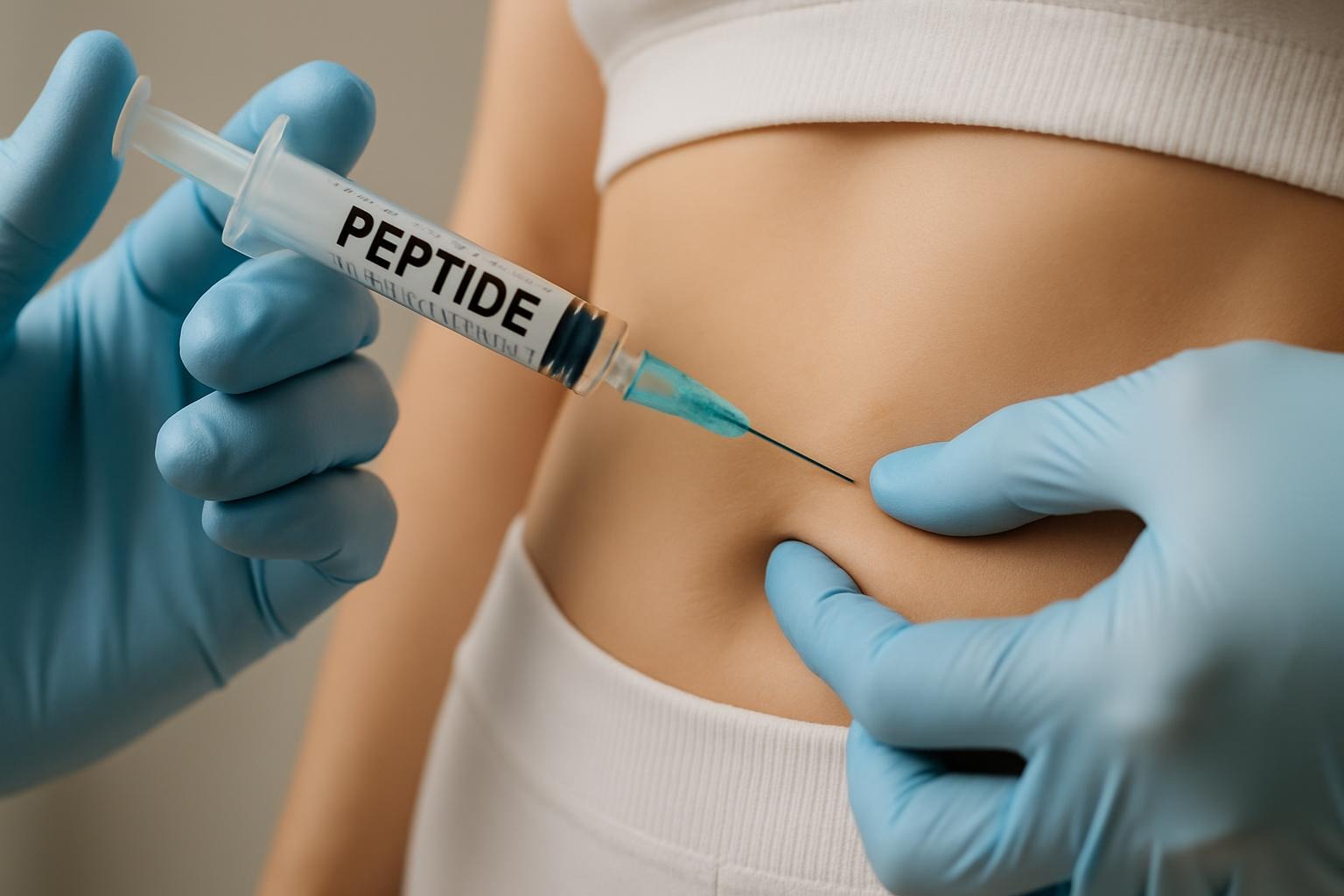
The rise of peptide injections has quickly moved from elite athletic circles and anti-aging clinics into mainstream wellness culture. Once confined to research labs and specialized medical practices, peptides are now promoted across social media as powerful tools for muscle growth, fat loss, glowing skin, enhanced recovery, and even longevity. But why are so many people injecting peptides, and what does the science actually say?
In this article, we break down the benefits, risks, and growing hype surrounding peptide therapy, helping you understand what’s real, what’s speculative, and what you should consider before jumping on the trend.
What Are Peptides?
Peptides are short chains of amino acids — the building blocks of proteins. While proteins are long, complex structures, peptides are smaller and typically consist of 2–50 amino acids. These molecules naturally occur in the body and act as signaling compounds, telling cells how to function.
Different peptides influence different biological processes, including:
- Hormone production
- Muscle growth and repair
- Metabolism regulation
- Skin elasticity and collagen production
- Inflammation control
- Immune response
Because peptides send specific signals to the body, synthetic versions are now being developed to mimic or amplify these natural effects.
Why Are People Injecting Peptides?
Peptide injections are gaining attention for their potential to provide targeted results with fewer side effects than traditional medications or anabolic steroids. Unlike oral supplements, injectable peptides bypass the digestive system, allowing them to enter the bloodstream directly and act more efficiently.
1. Muscle Growth and Athletic Performance
Some peptides stimulate the release of growth hormone (GH), which plays a key role in muscle development and recovery. Popular examples include:
- GHRP (Growth Hormone Releasing Peptides)
- CJC-1295
- Ipamorelin
These compounds are marketed as safer alternatives to anabolic steroids, claiming to enhance lean muscle mass, reduce recovery time, and improve strength without severe hormonal disruption.
However, while early studies show potential benefits, long-term research remains limited.
2. Fat Loss and Metabolic Support
Peptides such as AOD-9604 and certain GLP-1 receptor agonists are linked to fat metabolism and appetite regulation. The explosion in popularity of GLP-1 medications for weight loss has also fueled broader interest in metabolic peptides.
Claims include:
- Improved fat burning
- Reduced cravings
- Enhanced insulin sensitivity
While some of these compounds are backed by clinical studies, others are still considered experimental.
3. Anti-Aging and Skin Rejuvenation
One of the fastest-growing segments of peptide therapy is aesthetics and longevity. Certain peptides are believed to stimulate collagen production, reduce wrinkles, and improve skin texture.
Examples include:
- GHK-Cu (Copper Peptide)
- Epitalon
These are promoted for enhancing skin elasticity and possibly extending cellular lifespan. Although promising laboratory data exists, claims around longevity are still largely theoretical.
4. Injury Recovery and Healing
Bodybuilders and athletes frequently discuss peptides like BPC-157 and TB-500 for tissue repair. These compounds are said to:
- Accelerate tendon healing
- Reduce inflammation
- Support joint recovery
Most supporting studies, however, have been conducted in animals. Human clinical trials remain limited, making it difficult to determine full safety and effectiveness.
The Science: Promising But Incomplete
Peptide research is expanding rapidly, but much of the public use is ahead of the science. Some peptides are FDA-approved for specific medical conditions, while others are sold under the label of ‘research chemicals.’
Key concerns include:
- Limited long-term safety data
- Inconsistent product quality from online vendors
- Unregulated dosing protocols
- Lack of large-scale human trials
While early findings are exciting, it’s important to distinguish between controlled clinical use and self-experimentation driven by online trends.
The Risks of Peptide Injections
Injecting any substance carries risks, particularly when done without medical supervision. Even peptides that naturally occur in the body can produce unintended side effects when introduced synthetically or in supraphysiological doses.
Potential Side Effects
- Injection site reactions
- Water retention
- Joint pain
- Increased blood sugar levels
- Hormonal imbalances
- Nerve tingling or numbness
Growth hormone–stimulating peptides, in particular, may impact insulin sensitivity and cortisol levels. Misuse could potentially contribute to long-term metabolic disruption.
Quality Control Issues
One of the biggest risks in the peptide market is inconsistent product purity. Because many peptides are sold online as research compounds, they may not undergo strict regulatory oversight.
This creates potential issues such as:
- Incorrect dosing concentrations
- Contamination
- Mislabeled ingredients
- Improper storage and shipping conditions
Without pharmaceutical-grade manufacturing standards, users gamble not only with outcomes but with safety.
The Role of Social Media and Biohacking Culture
The surge in peptide use is closely tied to biohacking communities, fitness influencers, and longevity enthusiasts. Platforms like TikTok, YouTube, and podcasts have normalized discussions around self-injection protocols as part of self-optimization routines.
Many proponents describe peptides as cutting-edge tools for taking control of personal biology. But the line between innovation and experimentation can be thin.
The hype often includes:
- Before-and-after muscle photos
- Rapid fat loss testimonials
- Claims of age reversal
- Enhanced mental clarity and performance
While some users report positive experiences, anecdotal evidence does not replace peer-reviewed science.
Are Peptides Legal?
The legality of peptides varies by country and by compound. Some peptides require prescriptions and are approved for specific medical conditions. Others are sold strictly for research purposes and not approved for human consumption.
In competitive sports, many performance-enhancing peptides are banned by anti-doping agencies. Athletes should be especially cautious, as even accidental use could result in suspension.
Should You Consider Peptide Therapy?
If you’re curious about peptide therapy, the safest approach is consulting a licensed medical professional experienced in hormone optimization or functional medicine. Clinical supervision can help:
- Determine appropriate dosing
- Monitor hormone levels and biomarkers
- Reduce risk of adverse reactions
- Ensure pharmaceutical-grade sourcing
Self-prescribing peptides purchased online significantly increases the likelihood of complications.
The Bottom Line: Breakthrough or Biohacking Bubble?
Peptides represent a fascinating frontier in modern medicine and performance science. Their ability to precisely signal biological functions makes them powerful therapeutic candidates. In regulated clinical environments, certain peptide treatments are already changing lives.
At the same time, widespread consumer adoption is outpacing robust scientific validation. The current landscape blends legitimate medical research with marketing hype, influencer testimonials, and experimental self-use.
Before injecting peptides, consider:
- Is the compound FDA-approved for my intended use?
- Am I working with a medical professional?
- Are the potential risks worth the promised benefits?
- Is there long-term safety data available?
The desire to optimize health, appearance, and performance is understandable. But as with any emerging health trend, caution and evidence-based decision-making are essential.
Peptide therapy may well become a cornerstone of future personalized medicine. For now, balancing optimism with skepticism remains the smartest approach.